Play Pathfinder 2E: d20 Mechanics, Encounters, Exploration, Downtime
Learn how Pathfinder Second Edition plays: a d20 core, a three-action turn, and three play modes make PF2E accessible for new groups and supported by beginner kits and organised play.
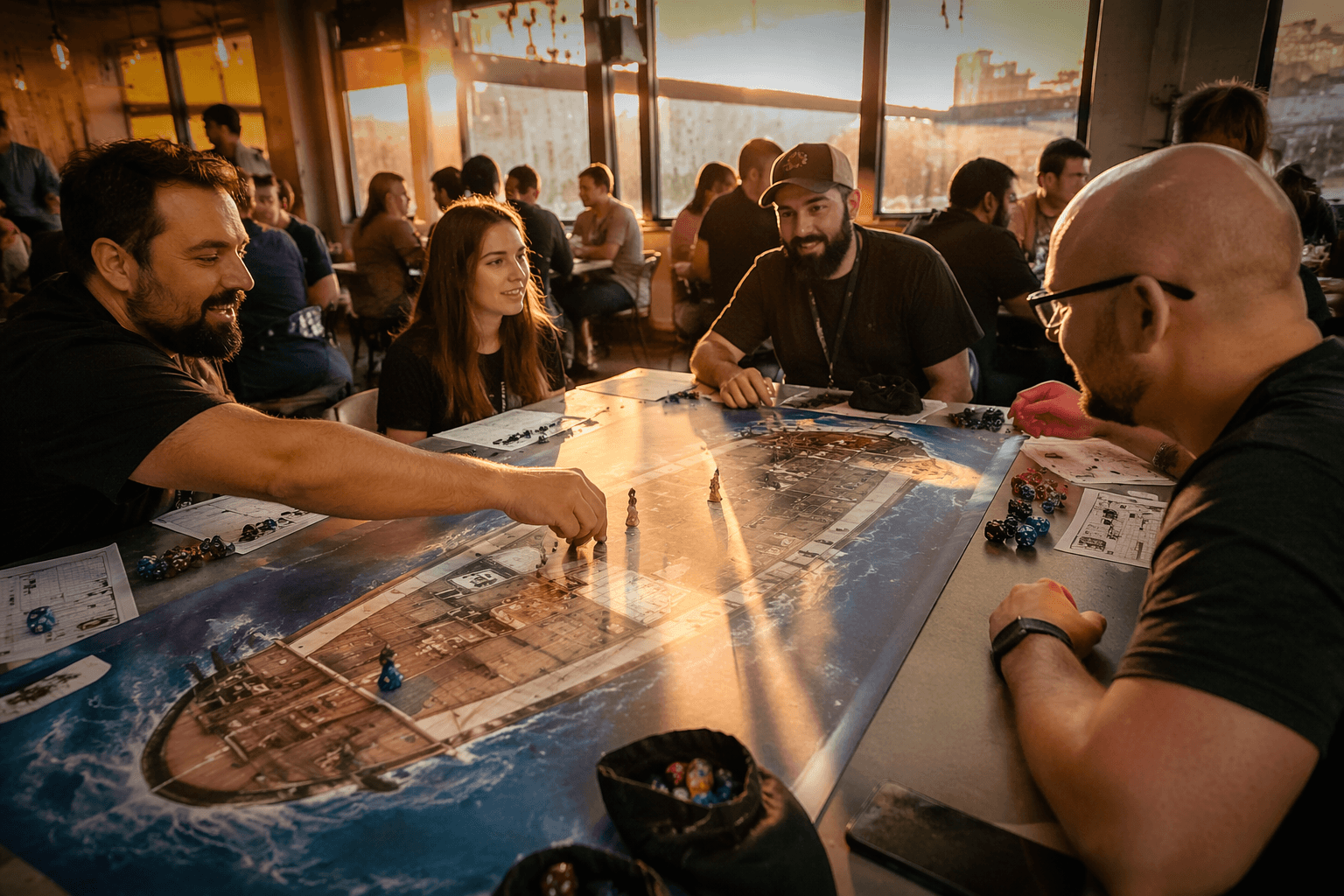
Pathfinder Second Edition simplifies a lot of tabletop complexity into a clear d20 core and a teachable action economy, and that matters because it makes the game easier for new groups to run and join. The core mechanic is a d20-based resolution system used for almost every roll, while damage uses separate dice ranging from d4 to d12. Initiative is commonly a Perception check and each turn gives a character three actions, so basic tactics and teamwork matter as much as raw numbers.
Combat and spellcasting feel crisp. Most spells take two actions to cast, with a few costing one action and some using all three. The system’s basic named actions help new players learn quickly: Stride, Strike and Cast A Spell are introduced in the very first encounter of the Beginner Box to give a hands-on sense of the flow. Cantrips include Dancing Lights, Daze, Electric Arc, Ghost Sound, Mage Hand, Message, Prestidigitation, Produce Flame, Shield and Telekinetic Projectile. First-level spell examples include Colour Spray, Grease, Hydraulic Push, Illusory Disguise, Mage Armour, and Summon Animal. For practical play, remember: "And finally, your stuff. You have 15 gold to purchase starting gear."
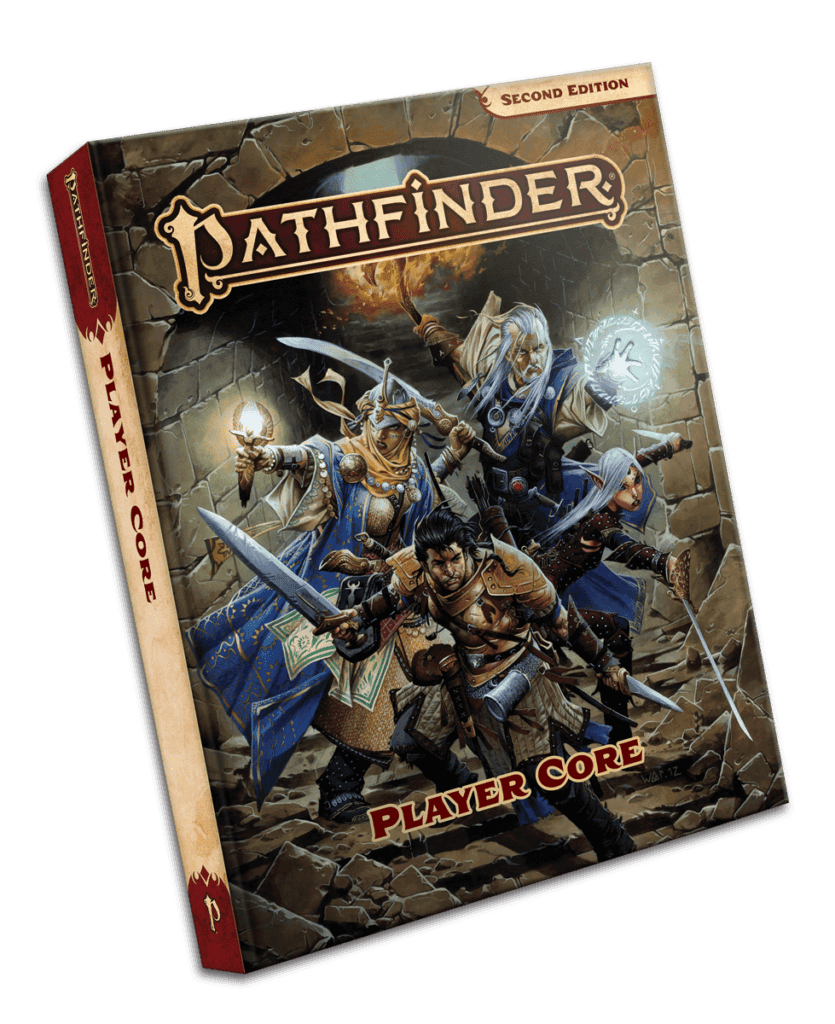
Character creation still rewards planning. The Core Rulebook provides the full toolbox, and the game’s character pillars are visible even in short snippets: "Evergreen guide (no publishedDate returned here): Dicebreaker’s beginner guide to Pathfinder Second Edition is a comprehensive how-to primer for new players and GMs. It explains the core d20-based resolution system used in PF2E, outlines character creation (ancestry, heritage, backgrounds, class, fe", a sign that ancestry, heritage, backgrounds and class are foundational pieces. If you want a gentler start, the Beginner Box’s hero’s handbook uses cut-down rules: "The hero's handbook has all the basic rules you need for getting started, plus a guide to character creation. This is all heavily cut down from the core rules - the only classes are fighter, rogue, wizard and cleric, and only go up to level 3, while the ancestries include human, elf and dwarf." Those cut-down rules also ensure "you get a character with at least a +3 modifier in their class stat who's going to be generally competent at what they do."
Advancement centers on choices. "Most levelling in Pathfinder 2E involves choosing feats. There are many more of these in 2E than there were in 1E, but they tend to be less powerful." Every odd level characters gain a general feat and opportunities to learn new skills or improve proficiency, so plan progression with your group to cover exploration and support roles as well as combat.

If organised play appeals, consider the Pathfinder Society: "The Pathfinder Society is a global organised play initiative that features an ongoing campaign." Players enlist with factions, gather reputation and report adventure outcomes to the Society, which can affect a wider campaign. For guided learning, RPGBOT offers a companion approach, "This guide is intended to be a full, thorough introduction not only to the rules of Pathfinder 2e, but to the act of how to play the game", though the site notes parts of its series are still being updated.
What this means for players: start with the Core Rulebook if you plan to run a long campaign, or pick up the Beginner Box for a premium, guided start that includes pregens, a solo adventure, GM handbook, dice, cardboard pawns with stands, reference cards and a flip mat. Talk to your GM about setting and power level, coordinate skills with your party, and practice Stride, Strike and Cast A Spell in a short session to make the rules click. Whether you join the Pathfinder Society or build a home campaign with Lost Omens and Advanced Player’s Guide options, PF2E’s clear action economy and modular learning tools make getting started straightforward.
This article was produced by Prism’s automated news system from verified source data, official records, and press releases, then run through automated quality and moderation checks before publishing. The system is built and supervised by the people who set the standards it runs under. Read our full AI policy.
Did this article answer your question?