AI Expectations Are Reshaping Commercial Photography, Photographers Push Back
Client-side AI is now shaping briefs, budgets, and approvals in commercial photography. Davison's pushback shows where human shooters are being squeezed first.
The new brief starts before the camera comes out
Jack Davison’s complaint landed because it named the pressure point that working photographers feel first: not final-frame fakery, but the client brief itself. He told his 366,000 Instagram followers that he had been “coming up against it [AI] more and more in the commercial space,” and that personally it was a line he would not cross. That distinction matters. The argument in photo circles is no longer whether AI exists, but how far it is allowed to reach into the work before a shoot even begins.
The asks Davison described are the ones that touch the day-to-day mechanics of paid jobs: replacing backgrounds, animating stills, building storyboards, and generating mock-ups that imitate the end result a client expects to see. In other words, AI is moving upstream from retouching into pre-production, where it starts shaping what gets commissioned, what gets budgeted, and what gets approved.
Where the squeeze lands first
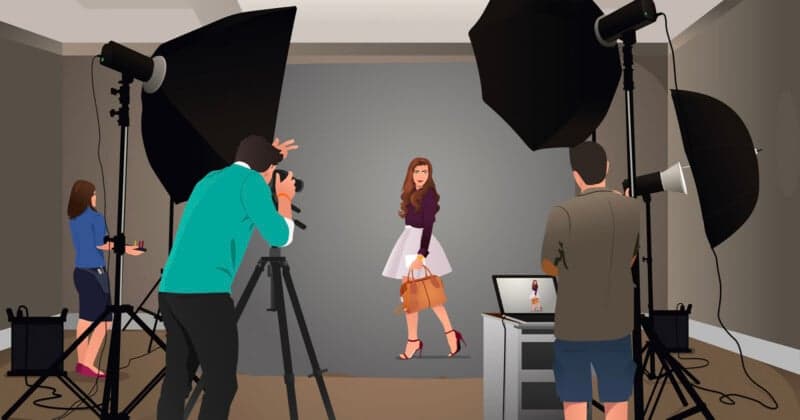
For commercial photographers, the first pressure is often not a lost assignment, but a changed expectation. A client who arrives with AI-generated scamps or concept images can make a campaign feel far more specific than the budget, schedule, or crew can realistically support. That creates friction before anyone has packed a light stand. The shot list becomes more ambitious, the approval process more exacting, and the photographer is left negotiating against a visual standard that may have been generated in minutes.
Vogue’s reporting shows that this tension is already pushing into business decisions. One respondent said they had lost two great clients because they refused to use AI, which is the clearest sign yet that the cost of drawing a line can be commercial, not just ethical. Laura Dawes, director at Webber, said the agency updated its contract terms so that AI-based scamps, pre-production briefings, or approvals now have to be signed off by the agency. That is a telling shift: AI is no longer just a tool in the post-production suite, it is becoming a contractual issue tied to who is responsible for the promise a brief makes.
The workflow is changing, but not evenly
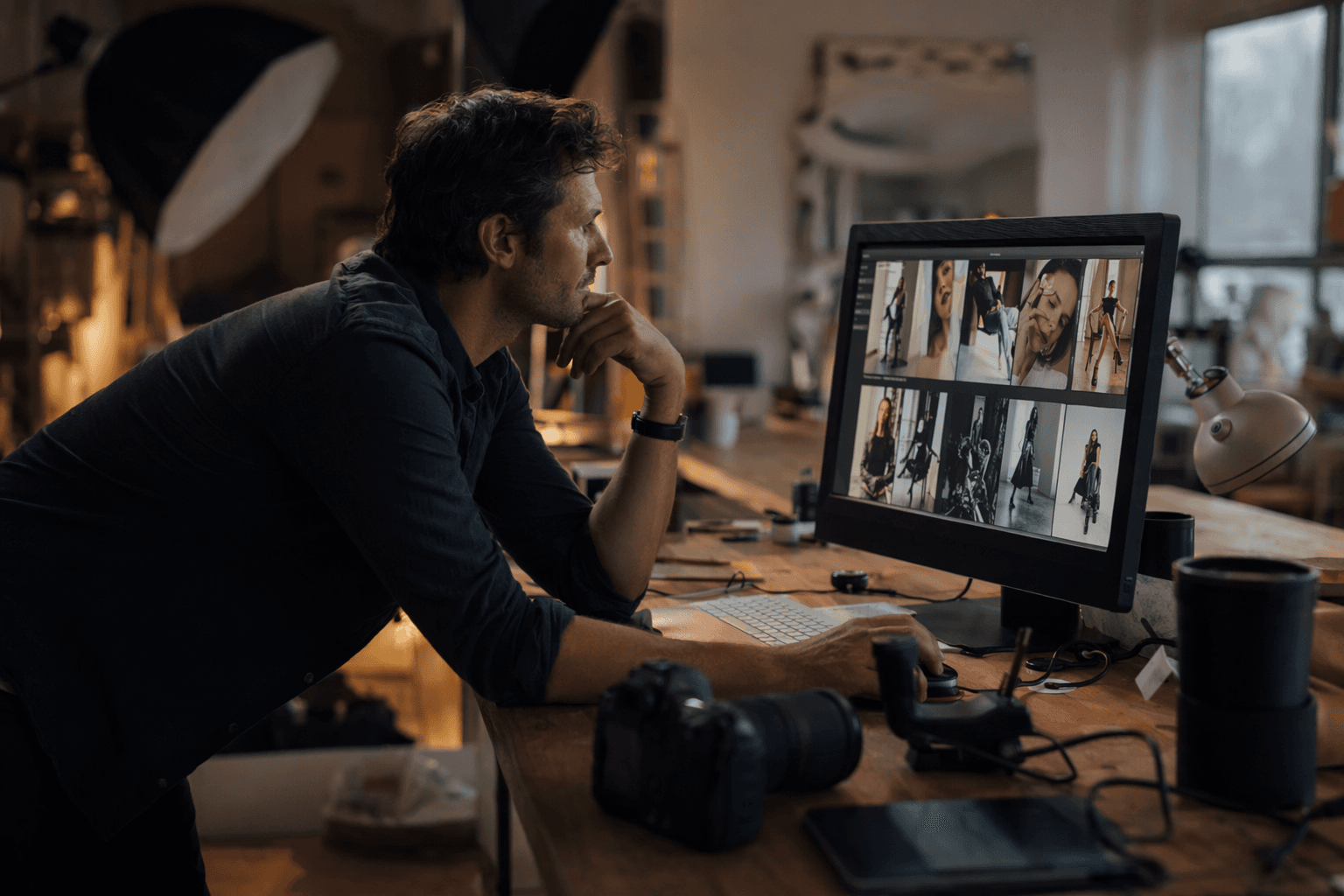
The commercial ecosystem is absorbing AI in different ways, and the split is revealing. VSCO’s 2026 report says 83% of photographers now use AI in their workflows, 68% of working photographers use it weekly or daily, and only 5% feel threatened by it. ShootProof’s 2026 report paints a similar picture of normalization, with almost 50% of photographers using AI weekly, mostly for emails, captions, and marketing content. Those are useful efficiencies, but they are not the same thing as letting AI define the creative outcome of a paid shoot.
That divide explains why the conversation around AI feels so uneven inside the industry. A photographer may happily use it to draft client copy, clean up admin, or speed up routine tasks while still refusing to let it stand in for image-making decisions. The commercial pressure is coming from the other side of the table, where clients increasingly see AI as a fast route to something that looks finished, even if the real production has not happened yet.
ShootProof’s figures add another layer to the picture: 85% of clients still come from referrals, and only 5% of photographers say they manage stress well. Put those numbers together and the reality is hard to miss. The business still runs on trust and word of mouth, but the day-to-day emotional load is high, which makes every new expectation feel heavier. AI is entering an industry that is already carrying a lot.
Brands are normalizing AI, but the guardrails are still real
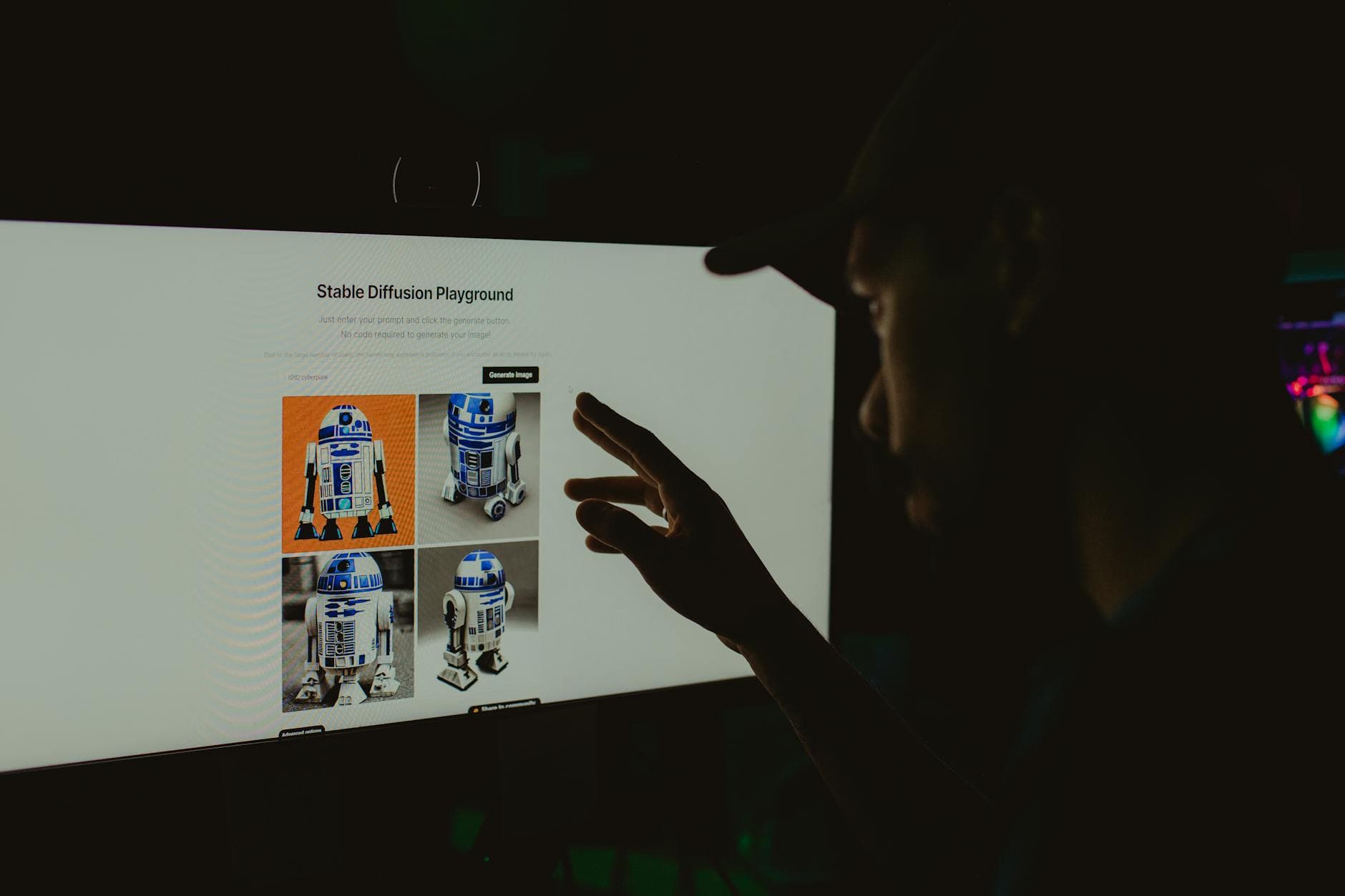
The major creative platforms are helping set the tone. Adobe has built generative AI into Photoshop and Firefly through tools like Generative Fill, Reference Image, and Generate Image, and says its Firefly models are intended for commercial use, with qualifying plans offering IP indemnification. Getty Images also markets its generative AI as commercially safe. That language matters to agencies and studios, because it turns AI from a novelty into something that can be bought, insured, and folded into a workflow without an immediate legal panic.
At the same time, adjacent parts of visual media are drawing firmer lines. The Associated Press says the central role of the AP journalist will not change and that it does not see AI as a replacement for journalists. World Press Photo says its 2025 contest received 59,320 entries, a reminder that questions about authenticity, editing, and generative tools are now part of the wider visual culture, not just a commercial photography headache. Even where the work is not a commissioned campaign, the industry is still sorting out what counts as acceptable authorship and what counts as substitution.
Why Davison’s pushback resonated
Davison is not a random voice shouting into the void. D&AD says his commercial clients have included Burberry, Nike, Hermès, and The Row, which gives his comments weight in the exact market where AI pressure is being felt most sharply. Cob Gallery notes that he was born in Essex in 1990, lives and works in London, and made his moving-image debut in 2024 with A is For Ant. That profile helps explain why photographers listened: he sits inside the world where high-end fashion, commercial campaigns, and image-led brand language all intersect.
His response has become a useful marker for where the line still holds. Photographers are not only protecting a post-production technique anymore. They are protecting the parts of the job that make them indispensable: reading a location, solving a set problem, directing a person, building trust with a client, and making choices that a machine cannot improvise on the fly. AI can accelerate a mock-up, but it cannot stand on set, adjust to weather, redirect a model, or make the thousand tiny calls that turn a concept into a photograph.
The real story here is not that AI has arrived in photography. It is that AI is changing what a client thinks a photographer should be able to deliver, and how quickly. The work that gets squeezed first is the work that can be simulated on a screen, while the work that still needs a human behind the camera is becoming easier to identify: original seeing, real-world judgment, and the ability to turn an impossible brief into something that actually exists.
This article was produced by Prism’s automated news system from verified source data, official records, and press releases, then run through automated quality and moderation checks before publishing. The system is built and supervised by the people who set the standards it runs under. Read our full AI policy.
Did this article answer your question?