Raghu Rai, iconic Indian photojournalist who chronicled a nation, dies at 83
Raghu Rai, who started photography at 23 and was still working on his 57th book, died in New Delhi at 83 after chronicling India’s defining wounds.
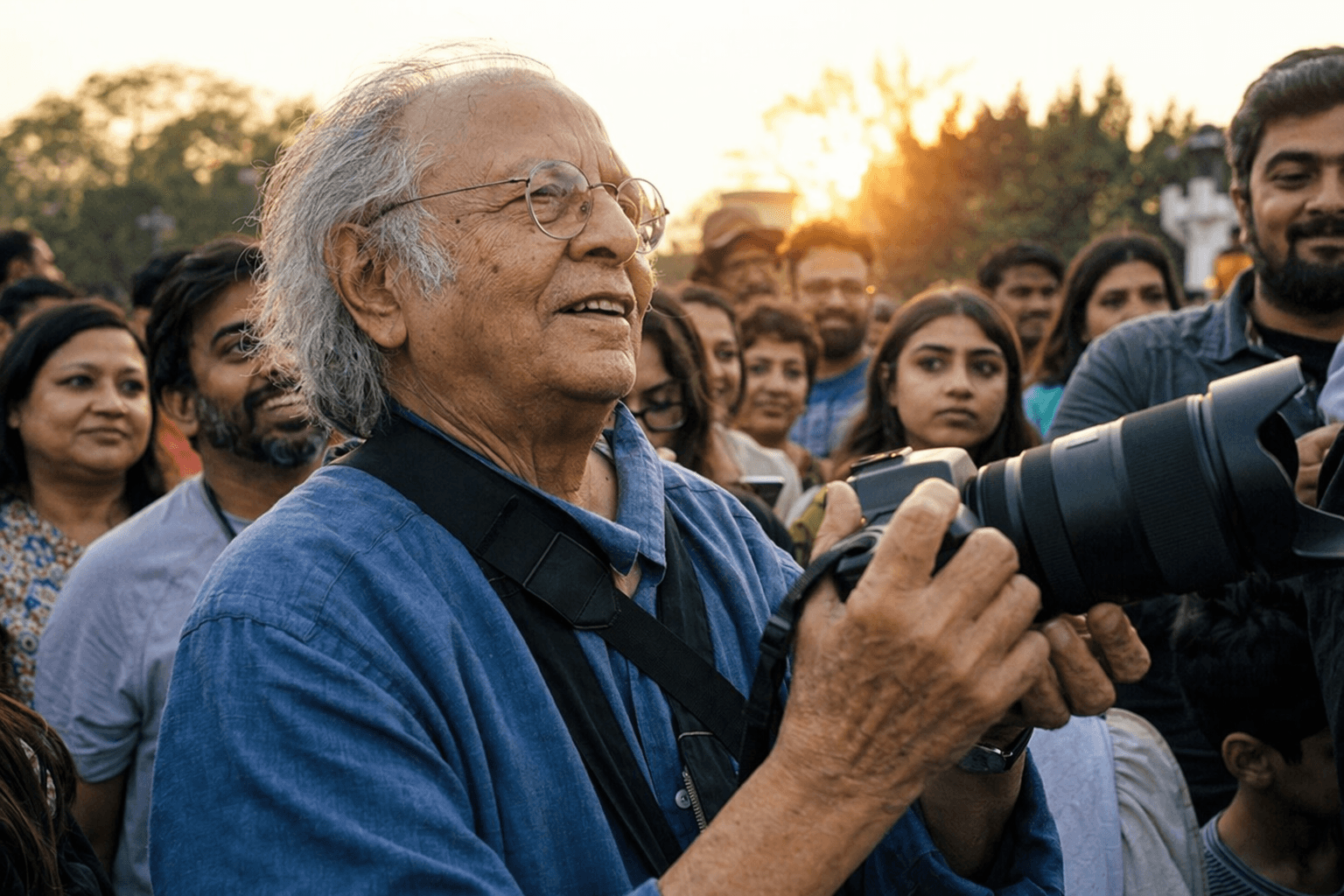
Raghu Rai died in New Delhi at 83, but the scale of his legacy is bigger than any single frame. For more than six decades, he turned India’s upheavals, leaders and ordinary streets into a visual record that photographers still study for timing, layering, human scale and a fierce sense of place.
Rai was born in December 1942 in Jhang, then in British India and now in Pakistan, and trained first as a civil engineer. He picked up photography at 23 in 1965, joined The Statesman as chief photographer in 1966, and by the time Henri Cartier-Bresson saw his Paris exhibition in 1971, Rai had already found the kind of eye that could carry a nation’s history. Cartier-Bresson nominated him to Magnum Photos in 1977. Rai’s family said he had been battling cancer and age-related complications; his son Nitin Rai said the illness was first diagnosed as prostate cancer two years ago, then spread to the stomach and more recently to the brain. His last rites were scheduled for Lodhi Cremation Ground in New Delhi at 4 pm on Sunday.
The first lesson from Rai is timing. His work on the 1971 Bangladesh war and refugee crisis earned him the Padma Shri in 1972, and it showed the value of being there before the moment becomes a headline. In the field, Rai understood that the telling frame is often not the explosion itself but the beat just before or after it, when fear, exhaustion or relief lands on a face. That instinct made his war and refugee pictures feel lived-in rather than staged.
The second lesson is layering. Rai’s coverage of the 1984 Bhopal gas tragedy, which killed an estimated 25,000 people, did not flatten disaster into spectacle. It placed bodies, streets, damage and grief in the same frame, so the catastrophe felt large enough to comprehend and close enough to hurt. That kind of composition is exactly what keeps a picture essay from becoming a single grim postcard.
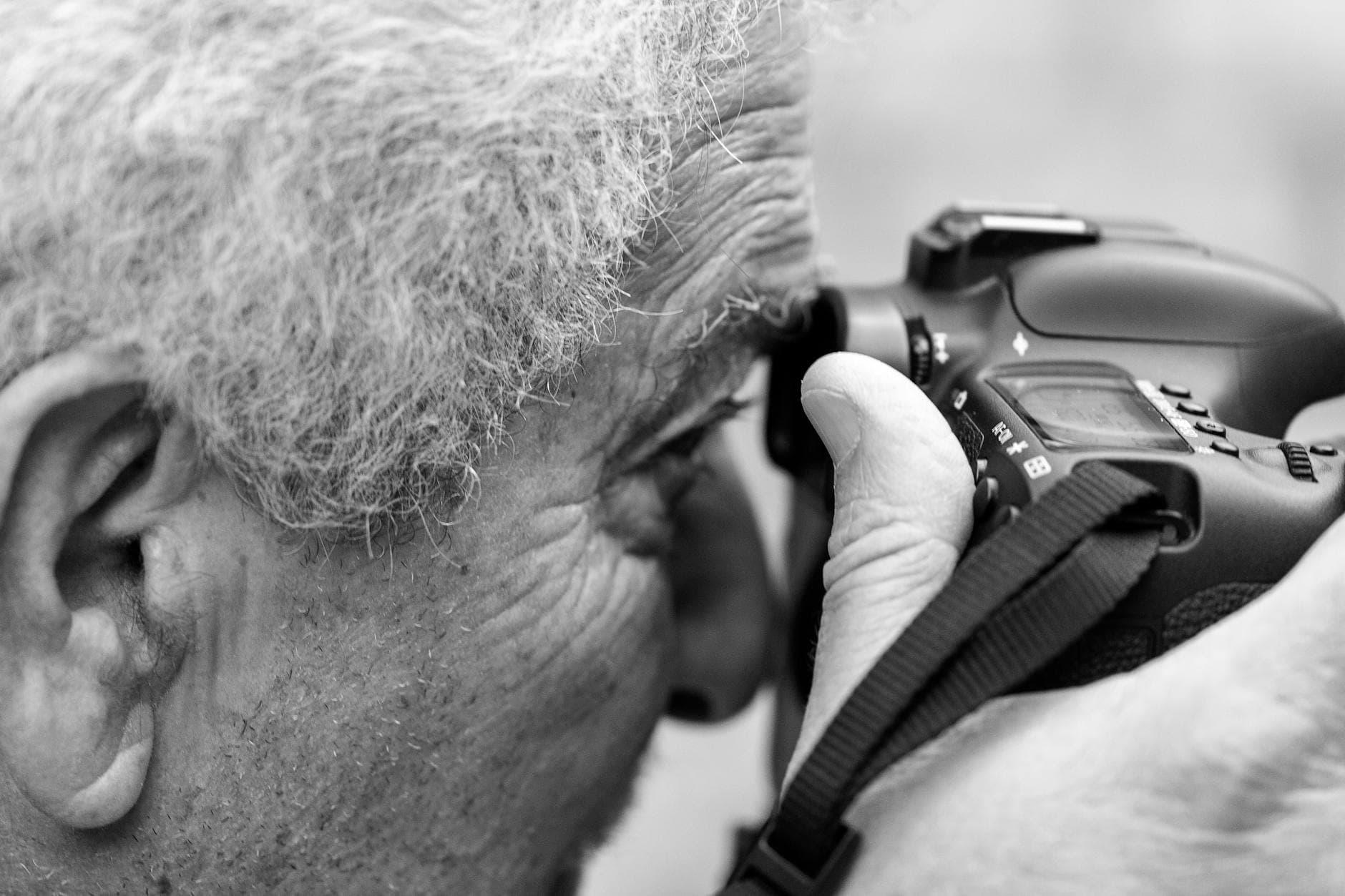
The third lesson is human scale. Rai’s portraits of Indira Gandhi, Mother Teresa and the Dalai Lama worked because they never forgot the person inside the symbol. He was not trying to make icons look bigger. He was trying to make power, faith and public life readable in a face, a posture or a glance. That is a useful corrective now, when smartphones and AI filters can make every subject look polished but strangely weightless.
The fourth lesson is sense of place. At India Today from 1982 to 1991, Rai built picture essays on social, political and cultural themes that felt unmistakably Indian without leaning on cliché. He made more than 18 books, and The Raghu Rai Foundation says he was working on his 57th. He also served multiple times on World Press Photo and UNESCO juries, won a U.S. Photographer of the Year award in 1992 for a National Geographic story on human management of wildlife in India, and was made Officier des Arts et des Lettres by France in 2009. Rahul Gandhi said Rai did not just take photographs, he preserved the nation’s memory. Shashi Tharoor called him an incomparable master. That is the real measure here: Rai did not simply record India, he taught photographers how to see it.
This article was produced by Prism’s automated news system from verified source data, official records, and press releases, then run through automated quality and moderation checks before publishing. The system is built and supervised by the people who set the standards it runs under. Read our full AI policy.
Did this article answer your question?