AI-Generated Wildlife Images Threaten Conservation Efforts, Photographers Warn
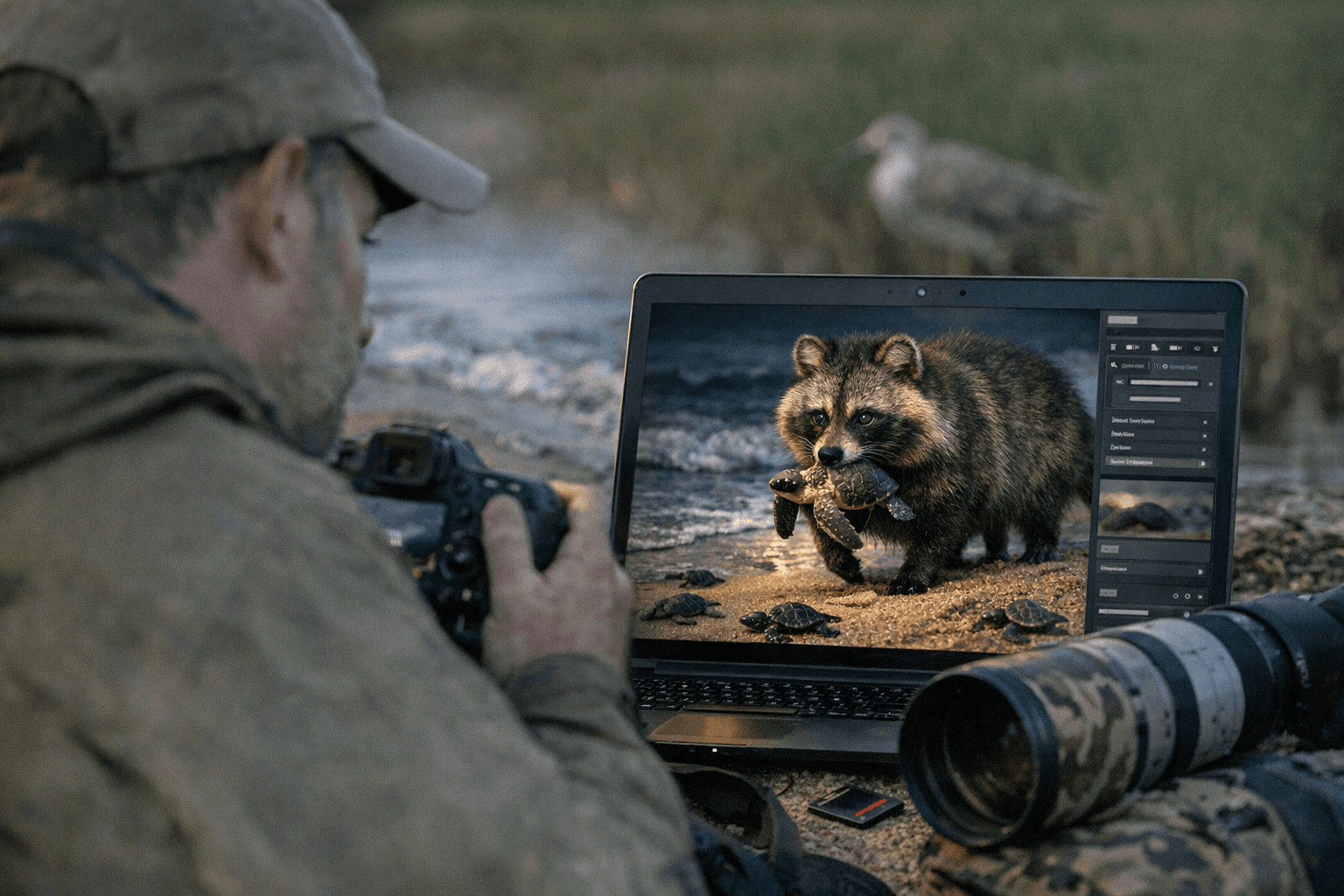
A conservation NGO in Japan recently retracted an AI-enhanced video of a raccoon dog carrying a baby sea turtle, one alarming sign of how fake wildlife imagery is reshaping reality.
When Jack Zhi won the Audubon Photography Awards grand prize, the image behind his victory represented three years of patient fieldwork studying White-tailed Kites, culminating in a single midair frame of a father bird teaching a fledgling to hunt. Today, an AI system trained partly on photographs like his could generate a near-identical scene in seconds. A person scrolling on their phone may never know the difference, and increasingly, neither can the judges.
That erosion of trust sits at the center of a growing alarm among wildlife photographers and conservation scientists. Allen Murabayashi, co-founder of PhotoShelter and a former judge of the Audubon Photography Awards, wrote in Audubon magazine that generative AI poses a direct threat to conservation by undermining photography's long-standing role in illustrating and verifying conservation concerns. "AI makes it easier to sow doubt and spread disinformation designed to alter our beliefs and behavior," he wrote, adding that the same dynamics make it harder to trust remarkable yet real photos.
The problem is no longer hypothetical. A conservation NGO in Japan recently had to retract an AI-enhanced video showing a raccoon dog carrying a baby sea turtle. Some ecotourism and safari operators are using AI-altered imagery to promote tours. A fake photograph of a woman posing with a lion, generated using Midjourney, has circulated widely. And AI-generated content now routinely reaches thousands if not millions of views on social media before anyone questions its origins.
Side-by-side comparisons illustrate how convincing these fakes have become. A real 2023 photograph of a mountain goat standing on a boardwalk in Glacier National Park and an AI-generated version built from a written description of that photo are nearly indistinguishable at a glance. The same holds for a genuine 2022 image of a black bear sitting in a tree in downtown Missoula, paired against its AI-generated counterpart.
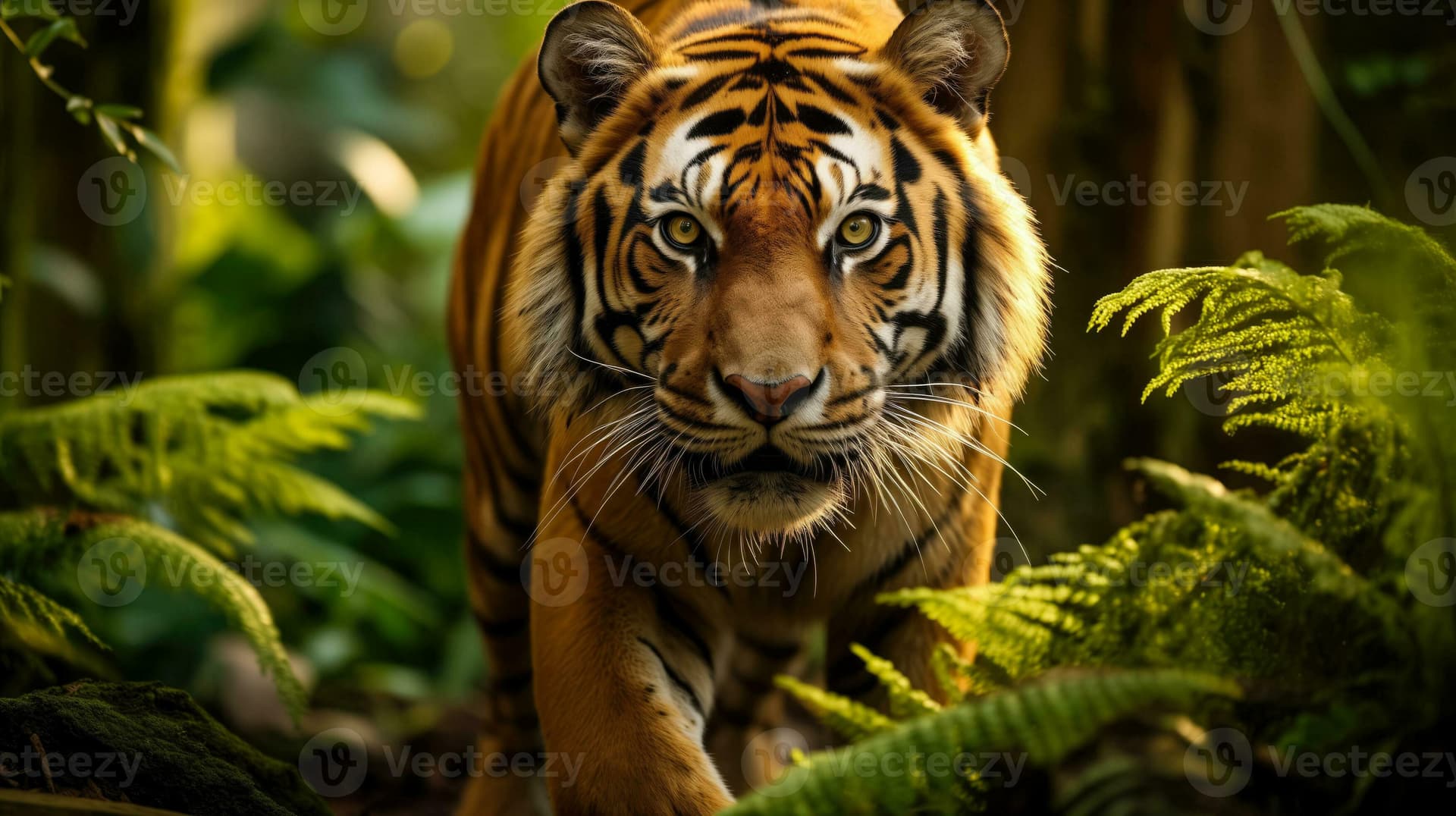
Wildlife photographer Sebastian Kennerkneckt points to a viral video of a tiger sniffing a tourist as the kind of content that builds a "false reality" around wildlife encounters. "I've spent my entire career telling conservation stories, and it's incredibly important to depict reality," he said. When AI fabrications go viral alongside genuine footage, both become suspect.
That suspicion now extends to camera traps, one of conservation science's most trusted tools. Breitenmoser has warned that because fake images can be generated so easily, a camera-trap photo or video may no longer be sufficient evidence on its own to confirm the distribution, location, or reappearance of a species in a given area, citing the contested case of a reported lion sighting in Djibouti as an example requiring that kind of additional scrutiny. New verification strategies and tools will be needed.
The consequences reach into wildlife crime as well. Pauline Verheij, a wildlife crime specialist with EcoJust, calls the rise of AI-generated images and videos depicting wild animals in domestic settings a "major concern," noting that such content can drive demand for exotic pets and rare animal parts. Wildlife traffickers already use Facebook and TikTok to advertise and sell illegal products globally, and convincing AI portrayals of animals as companions could amplify that demand further.
There is also a subtler cultural risk. West, cited in analysis by writer Katarina Zimmer, raised the scenario of a genuinely remarkable hummingbird sighting being dismissed outright: "What if we did see a hummingbird in some interesting situation, and we'll just think, 'Oh, it's a deep fake,' when, in fact, it might actually be real? Then we've lost the opportunity to be excited about biology." Zimmer frames AI-generated wildlife portrayals as a new and potentially dangerous breed of misinformation, one that could worsen public understanding of animal behavior, undermine conservation funding arguments, and ultimately alienate urban populations further from the natural world.
On the editorial front, Duran, who has experience vetting wildlife photo submissions, uses a layered approach: he asks photographers to name the species precisely and to specify roughly when and where the image was taken, then follows up by phone when details feel uncertain. The method reflects what many in the field are now being pressed to formalize as AI images get harder to detect even for experienced eyes. Photo contest juries, Audubon noted, have already been fooled.
Dickson captured the professional stakes plainly: "Instead of an intrepid photographer trekking into the Purcells to capture a stunning photo of a Canada lynx in its natural surroundings, someone in their pajamas can bang one out on a smartphone while waiting for their coffee to brew." The parallel he draws to early-2000s DSLRs, when enthusiast photographers undercut stock photography professionals by selling quality images cheaply, points toward the scale of disruption already in motion.
Jiménez and Casado suggest that when viewers encounter animal footage they doubt, they treat it as a prompt to seek out credible sources: professional wildlife photographers, conservation non-profit websites, nature documentaries, or science journalists. The Audubon analysis puts the institutional challenge bluntly: AI's rate of evolution is already outpacing the legal, ethical, and technological frameworks needed to constrain its misuse. "Researchers, policymakers, lawyers, and consumers need to seriously and quickly consider negative consequences as these tools proliferate," it states, warning against waiting until a broken technology has already done its damage.
This article was produced by Prism’s automated news system from verified source data, official records, and press releases, then run through automated quality and moderation checks before publishing. The system is built and supervised by the people who set the standards it runs under. Read our full AI policy.
Did this article answer your question?