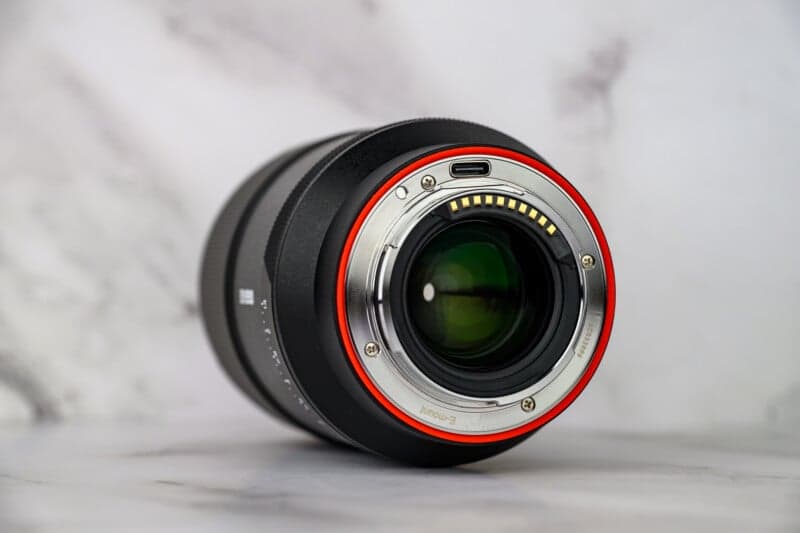
Tilta's magnetic filter kit speeds swaps and reduces vignetting
Tilta’s magnetic kit tackles the real pain of filter stacks: slower swaps, cross-threading, and edge vignetting. The payoff is clearest for landscape, travel, and hybrid rigs.

A faster way to work the front of the lens
Tilta’s Illusion Magnetic Filter Ultimate Kit is built around a frustration every filter user knows: the moment you start stacking screw-on pieces, the front of the lens becomes a small job in itself. The promise here is not novelty. It is speed, fewer mistakes, and a thinner setup that stays cleaner in the field.
The system is meant to answer the same pain points that slow down landscape, travel, and hybrid shooting. Tilta says the filters attach “with a click,” and the company’s pitch is that common combinations are merged into one piece of glass so you are not forcing multiple layers onto the lens every time you want to shift contrast, cut light, or add diffusion.
What comes in the kit
The Ultimate Kit centers on a compact set of familiar tools rather than a giant drawer of accessories. Imaging Resource says the kit includes a standard CPL, a variable ND adapter, a CPL with built-in 5-stop ND, and a CPL combined with a quarter Black Mist filter. That mix matters because it covers the use cases that usually trigger filter swapping in the first place: glare control, exposure reduction, and a little diffusion for video or mood.
Tilta also includes magnetic adapter rings for 82mm and 77mm lenses, which gives the kit a practical fit across a wide slice of common front-element sizes. The broader Illusion Magnetic Filter ecosystem extends that range with adapter rings in 67mm, 72mm, 77mm, 82mm, and 86mm sizes, plus protective covers for travel and storage.
Why the magnetic design changes the workflow
Magnetic mounting sounds simple, but the real value is in what it removes from the process. Screw-on filters ask you to line up threads, keep track of stacked parts, and avoid binding the whole setup when your hands are cold, wet, or rushed. Drop-in systems can be fast too, but they usually live inside a matte box or other dedicated rig, which adds bulk and changes how you pack.
Tilta is trying to sit between those two worlds. The magnetic approach keeps the rig lighter than a traditional matte-box workflow while cutting down the fumbling that comes with threaded filters. If you move often between stills and video, or you are swapping from CPL to ND to diffusion on the fly, that difference can save real time on location.

There is also a simple mechanical gain: fewer separate parts means fewer chances to cross-thread, fewer layers to misalign, and less time taking filters on and off when the shot is changing fast.
The vignetting problem Tilta is targeting
The strongest argument for the kit is not just speed. It is geometry. Tilta says the system is designed to keep the filter stack thinner and more compact, which should help reduce vignetting and unwanted color shifts, especially on ultra-wide lenses.
That is where this moves beyond a convenience upgrade. Once filter stacks get thick, the edges of the frame are the first place to suffer. You see dark corners, clipped edges, or color behavior that gets harder to predict across focal lengths. Tilta’s answer is to move the most common combinations into a single layer of glass, so the problem is reduced at the source instead of patched afterward.
For landscape shooters, that is the obvious win. Ultra-wides, uneven light, and frequent filter changes are exactly where a slimmer stack helps. For travel photographers, it means fewer pieces in the bag and less time assembling a front-end rig. For video shooters, it makes it easier to preserve a clean look without building a more complicated matte-box setup.
Where the broader Illusion system fits
Tilta is not treating this as a one-off accessory. The company describes Illusion as a magnetic filter series that makes high quality filtration “fast and portable,” and the ecosystem includes a magnetic VND adapter, a magnetic CPL, a UV filter, multiple adapter rings, and protective covers.
The VND adapter is especially useful if you want more control without reverting to a pile of threaded parts. Tilta says the Illusion Magnetic VND Adapter connects magnetically to the Illusion Magnetic Circular Polarizer Filter and is adjustable between 1 and 5 stops. Pair it with the 5-stop CPL version and you can reach 5 to 10 stops, which gives the setup real range for daylight video, long-exposure landscape work, and controlled handheld shooting.

How it compares with screw-on and drop-in workflows
If your current system is all screw-on filters, Tilta’s kit is appealing when you want speed without rebuilding your whole bag. It cuts down the awkwardness of repeated mounting, and it should feel especially useful when weather is bad or light is changing quickly. If you already rely on a matte box with drop-ins, the appeal is different: this is the lighter, quicker option for days when you do not want the full rig.
That makes the kit most compelling for shooters who value nimbleness over absolute modularity. Landscape photographers, travel shooters, and hybrid creators who bounce between stills and motion are the clearest fit. If you rarely stack filters, or if your work already lives inside a matte-box ecosystem, the gains will feel smaller.
A sign of where Tilta is headed
The magnetic kit also fits a longer Tilta pattern. In 2023, the company introduced Illusion 95mm and 4×5.65-inch filters for its Mirage Matte Box, including black mist, white mist, pearlaura mist, digital diffusion, glimmer, and full-spectrum ND options. That earlier lineup shows Tilta has been building a filtration strategy for a while, and the new magnetic system looks like a continuation of that thinking rather than a sudden experiment.
The pricing gives the launch a clear edge too. The Illusion Magnetic Filter Ultimate Kit lists at $279, with a preorder price of $251.10 through May 22, 2026. That puts a real deadline on the offer and makes the product feel less like a concept and more like a field-ready option for photographers who are tired of fighting the front of their lens.
In the end, the kit’s value is not that it makes filters exciting. It is that it makes them less annoying. For the kind of shooting where every second and every extra layer matters, that is a meaningful upgrade.
This article was produced by Prism’s automated news system from verified source data, official records, and press releases, then run through automated quality and moderation checks before publishing. The system is built and supervised by the people who set the standards it runs under. Read our full AI policy.
Did this article answer your question?