Canon launches authenticity system for newsrooms facing AI skepticism
Canon's new authenticity system starts with the EOS R1 and EOS R5 Mark II, giving editors provenance from capture. In AI-skeptical newsrooms, that trail just got harder to ignore.
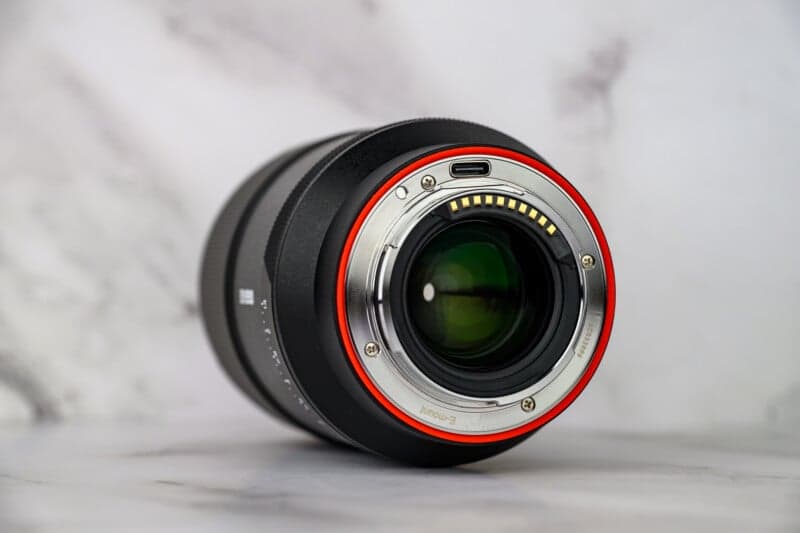
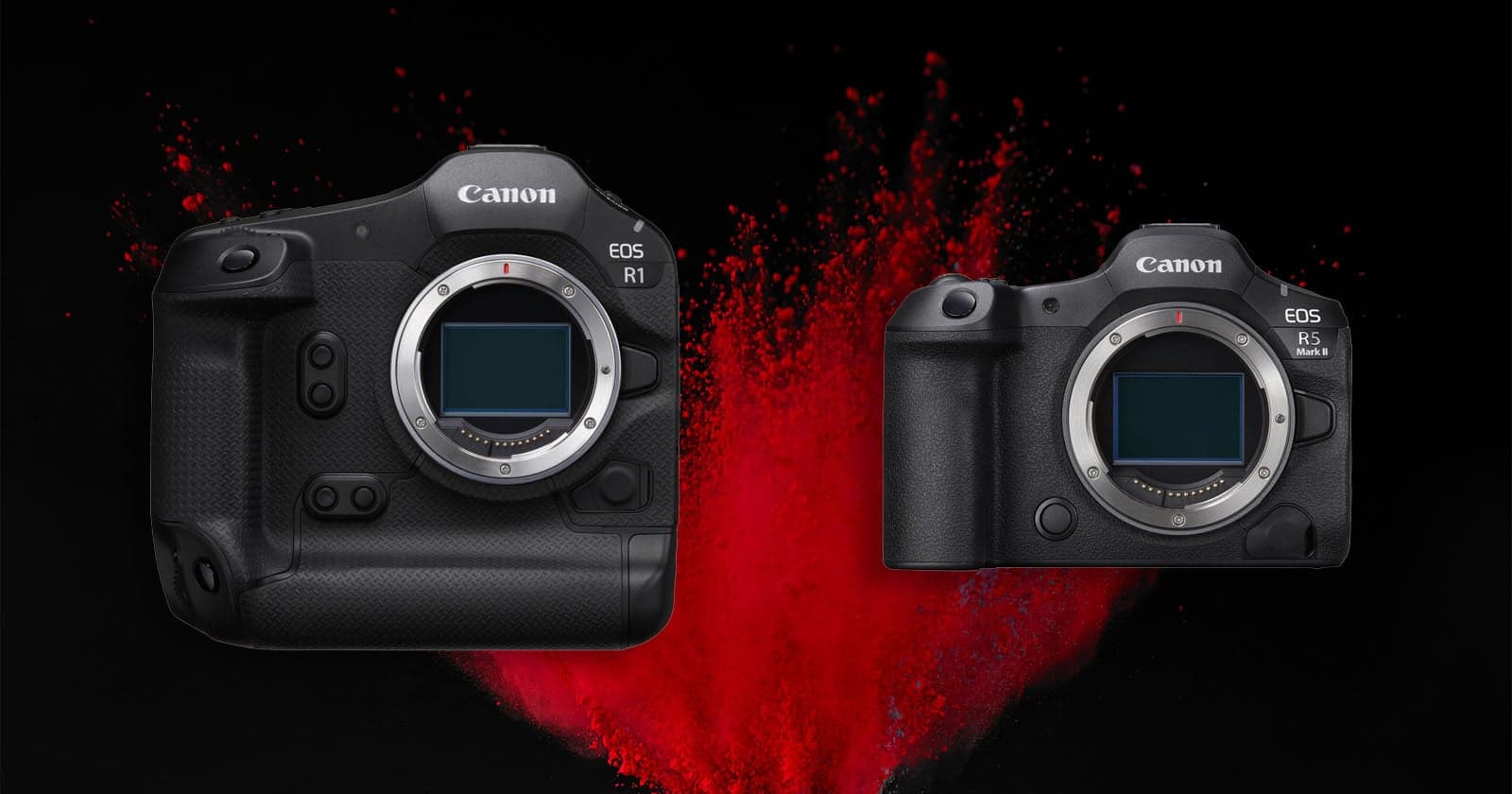
Canon has pushed authenticity to the front of the workflow, not the back end, with a new system built for the part of photography now under the most pressure: newsrooms that have to prove a file is real, where it came from, and what happened to it after the shutter clicked. Its Authenticity Imaging System is C2PA-compliant and began rolling out in May 2026 across Europe, the Middle East and Africa, starting with supported bodies such as the EOS R1 and EOS R5 Mark II.
The key move is simple but consequential. Canon said the system records provenance from the moment capture begins, so editors can follow an image’s history with more confidence. That matters because the fight is no longer only about whether a picture looks believable. Photo editors, wire desks and legal teams increasingly want a defensible trail showing an image was captured in-camera, not generated later or pushed through heavy edits that break trust. Once that trail is lost, in editing, export or a sloppy handoff, the file may still be usable, but the credibility attached to it takes a hit.
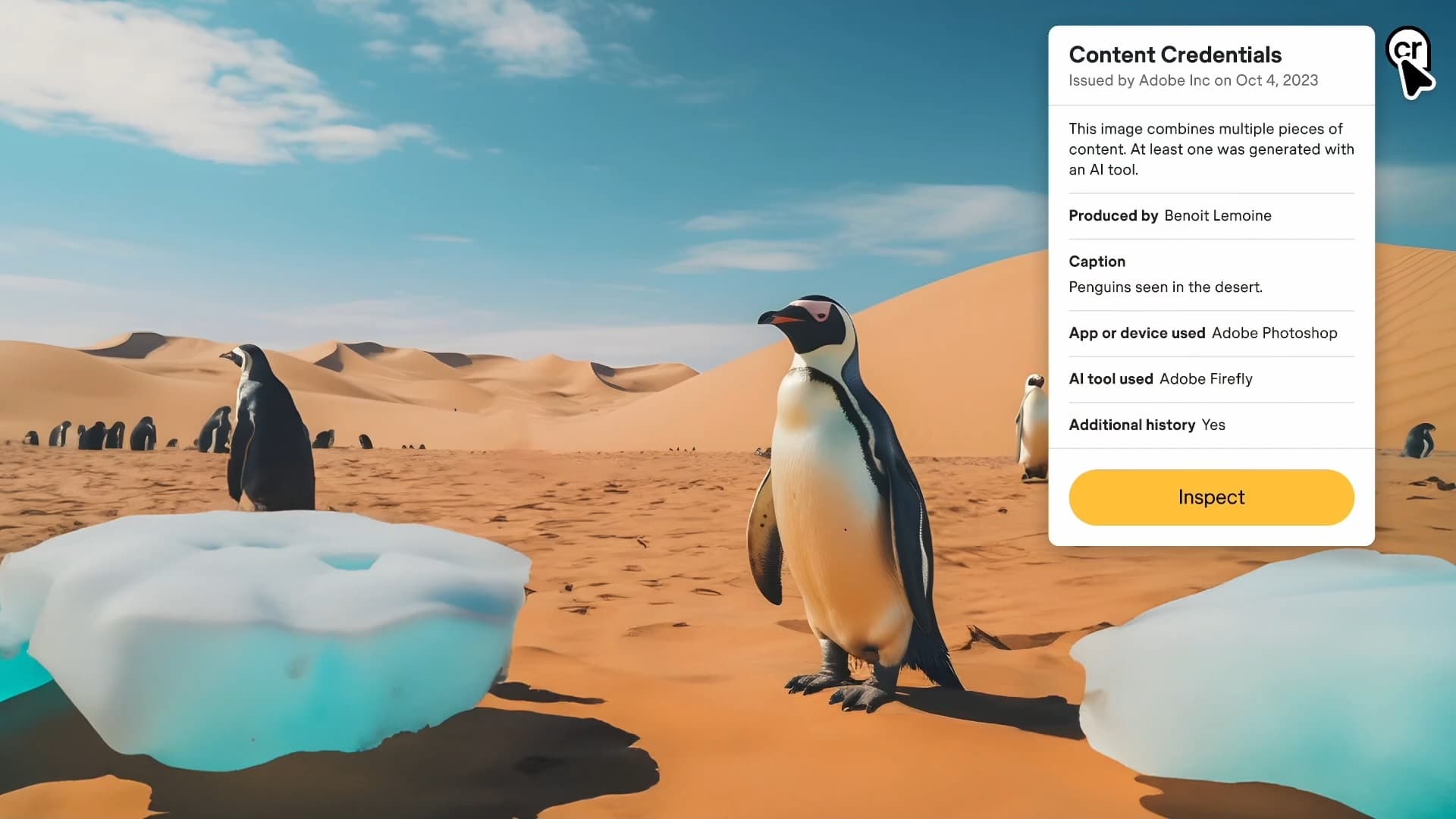
Canon’s system slots into a broader content-credentials push already taking shape across the industry. C2PA says Content Credentials are an open technical standard for establishing the origin and edits of digital content, and it describes them as a kind of “nutrition label” for media. IPTC says news organizations can add C2PA markings at any stage from acquisition to publication, with the long-term goal of a full glass-to-glass workflow, although platform support for displaying those signals is still limited.
Canon is not inventing the idea from scratch. Reuters and Canon completed a 2023 proof of concept for securely capturing, storing and verifying photographs, using a prototype Canon camera and Starling Lab’s authentication framework. Reuters said the pilot digitally signed each image with its time, date and location and preserved a provenance chain from capture to publication. Reuters also identified photojournalist Violeta Santos Moura as the photographer in the trial.
The market is already crowding up. Leica launched the M11-P in October 2023 as the world’s first camera with Content Credentials built in, and Nikon says its Authenticity Service creates Content Credentials at the moment of capture, tracks edits and expanded to the Z6III on August 27, 2025. C2PA’s conformance explorer now shows a widening list of compliant products and services in 2026, which tells you this is no side project anymore.

For photographers, the message is blunt. Provenance is moving from a niche technical feature to a core part of professional value, right alongside autofocus and dynamic range. In a market that has learned to distrust a perfect frame, Canon is betting that proof will matter almost as much as pixels.
This article was produced by Prism’s automated news system from verified source data, official records, and press releases, then run through automated quality and moderation checks before publishing. The system is built and supervised by the people who set the standards it runs under. Read our full AI policy.
Did this article answer your question?