Amstel campaign uses candid documentary-style photography to sell beer
Amstel turned a beer ad into a street-photo exercise, shooting real friends in real bars with a Sony Alpha and long G Master glass, then offering a year’s supply to anyone who recognizes themselves.
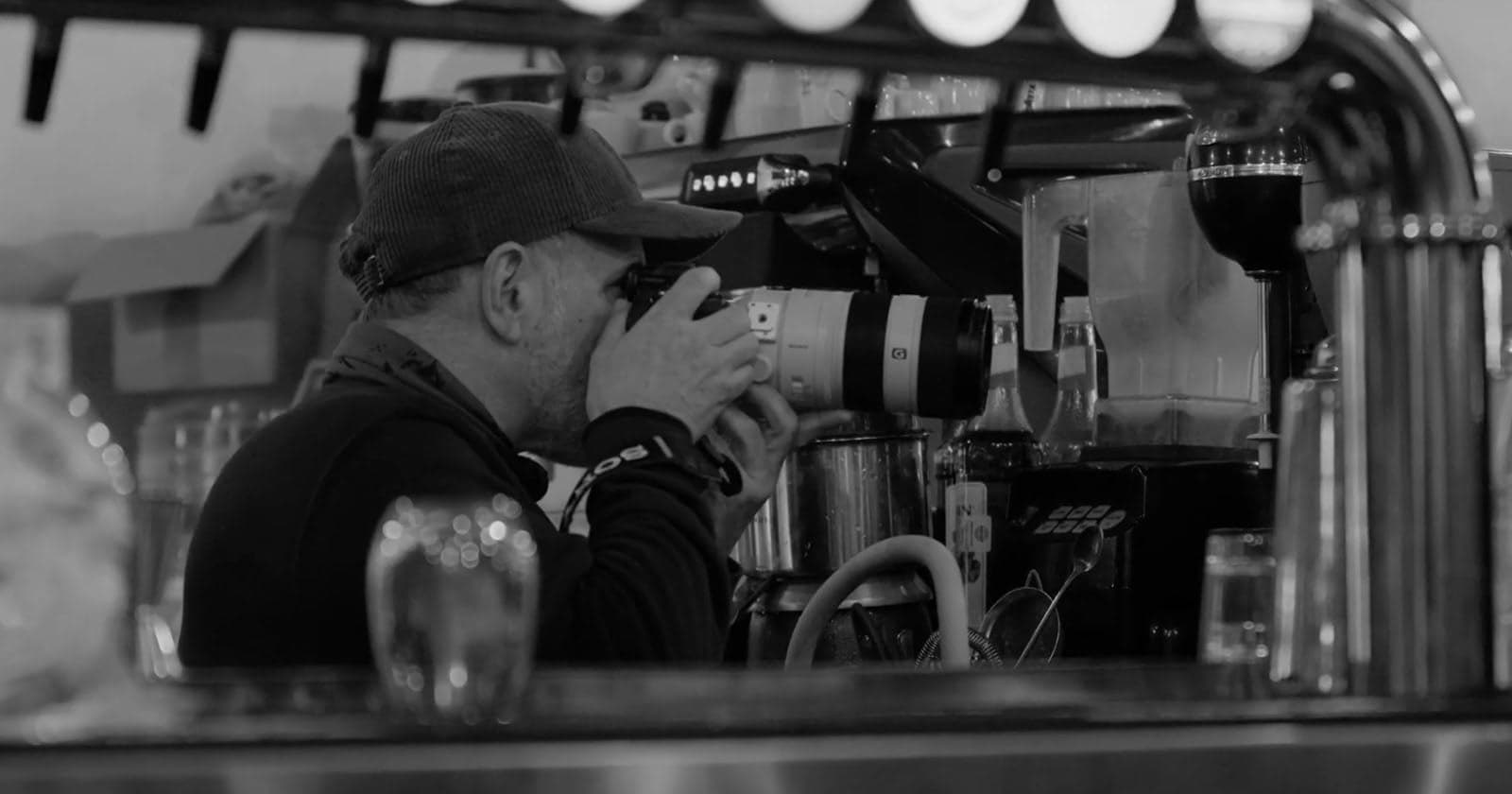
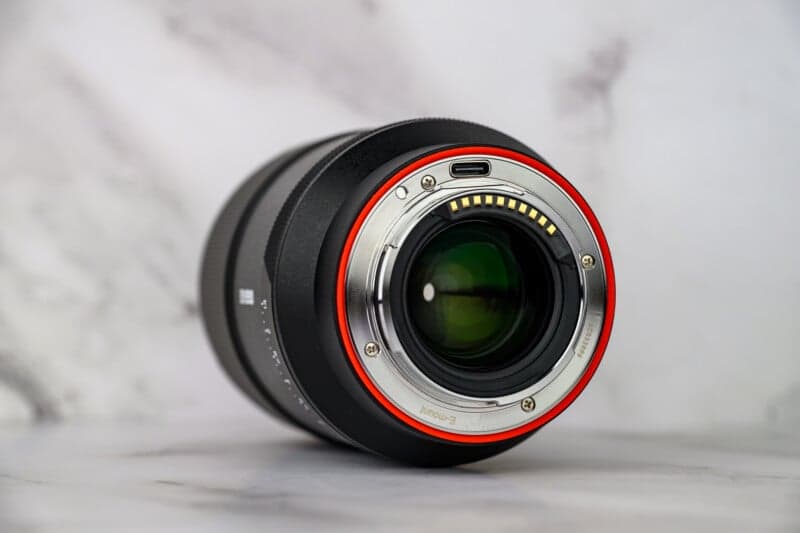
Amstel is betting that authenticity now has a lens profile. In its Shot Without Permission campaign, photographer Javier Tles worked from outside bars with a Sony Alpha body and a G Master telephoto lens, framing real friends in real bars so the images would read like candid documentary work instead of a polished beer commercial.
That choice is the whole point of the campaign. The brand and the European agency INGO built the project around unscripted moments, not actors, makeup, wardrobe or the clean lighting setups that usually announce advertising before a viewer even reaches the logo. The pictures were meant to feel observed rather than staged, with Tles capturing people at a distance to preserve the body language, glassware, glances and half-finished gestures that give documentary photography its charge.
The campaign also leaned into a messy modern question: where does authenticity end and consent begin? The images were made first, then permissions were sought afterward. Everyone who appears in the campaign signed a release, and Amstel says nobody is shown without permission. That after-the-fact approval makes the project more complicated than a simple “candid” gimmick, but it is also what gives it tension. The pictures borrow the visual language of street and documentary photography while remaining firmly in service of a paid brand message.
Amstel tied the idea back to its own origin story. The brand says it was founded in Amsterdam in 1870 by two friends, and that friendship has become the organizing myth behind the campaign. Heineken’s own history positions the company as born in Amsterdam with roots reaching back to 1864, reinforcing the Dutch heritage framing that Amstel and its parent are now using to sell the beer as something social, local and human.
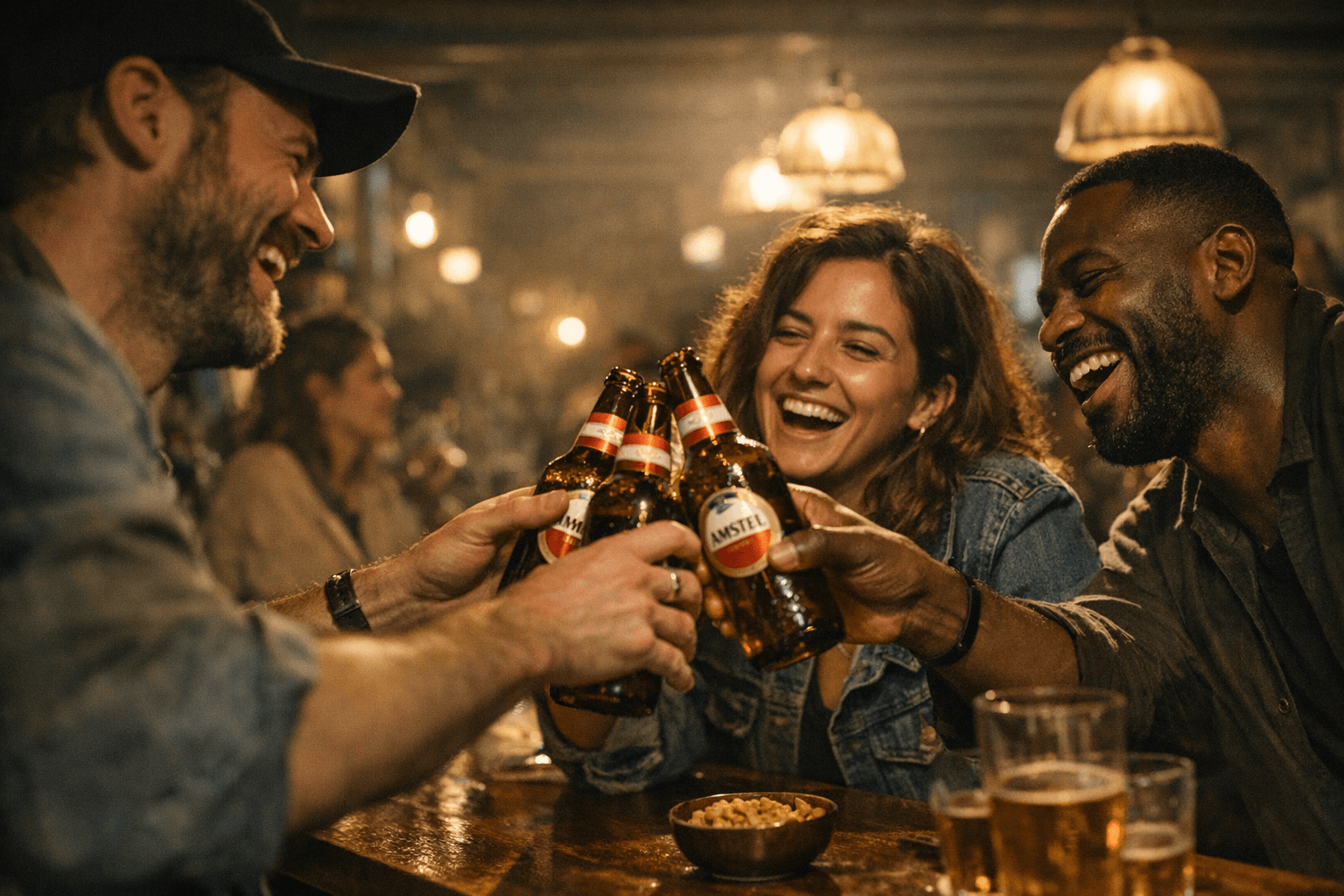
The rollout was not limited to one market. Coverage placed the launch on April 9, 2026, with images shot in South America and distributed globally across social media and outdoor placements, starting in Argentina. Amstel, which is described in campaign coverage as being enjoyed in more than 70 countries, also dangled a consumer hook: anyone who recognizes themselves in the work can come forward and claim a year’s supply of Amstel.
Vanessa Brandao, Amstel’s global brand director at Heineken, said the campaign deliberately broke the usual marketing script, and that is exactly what makes it worth noticing. In a moment when brands are being squeezed by skepticism around performative culture and AI-generated imagery, documentary-style photography is becoming a visual shortcut to trust. Shot Without Permission shows how far advertisers are willing to go to borrow the credibility of editorial photography, and how recognizable the tools of that look, from a telephoto vantage point to a real bar window, have become.
This article was produced by Prism’s automated news system from verified source data, official records, and press releases, then run through automated quality and moderation checks before publishing. The system is built and supervised by the people who set the standards it runs under. Read our full AI policy.
Did this article answer your question?