Better Gear Won't Save Your Photos, Attention and Composition Will
The sharpest lens cannot rescue a dull frame. Stronger photos come from attention, composition, and making one subject impossible to ignore.

Stop treating the upgrade cycle like a rescue plan
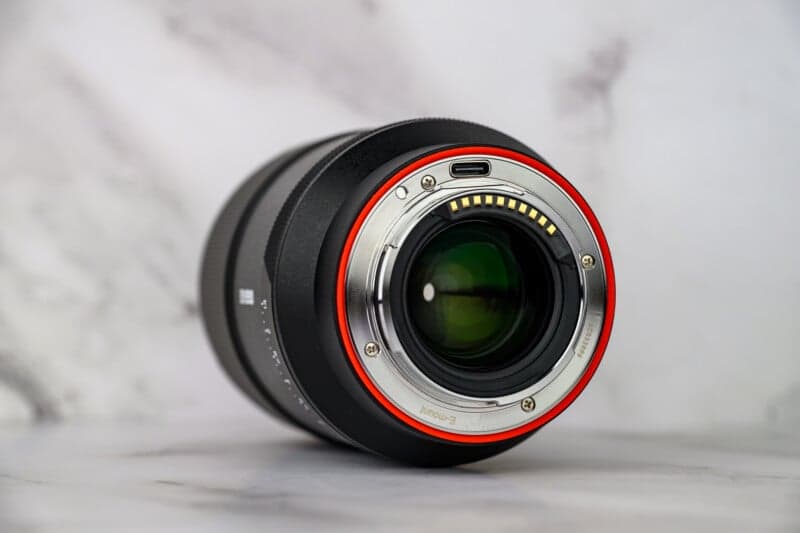
The most useful correction for gear obsession is also the least glamorous: a $4,000 lens will not save a photograph that never grabs attention in the first place. The better question is not which body or optic to buy next, but whether the frame gives a viewer a reason to stop, look, and stay.
That idea lands harder because it is not coming from a casual opinion. The argument is built from psychology, field experience, and a 14-month road trip down the long axis of Africa, from Morocco to South Africa. In other words, this is not a plea to ignore equipment entirely. It is a reminder that expensive glass can be sharp, beautifully made, and still completely forgettable if the picture does not connect.
Why the brain decides before the camera matters
The core concept here is the brain’s saliency network, which works like an internal bouncer. It filters the flood of visual information and lets only the most compelling signals through. If your image does not trigger that system quickly, all the technical perfection in the world will not matter much.
That is why faces, eye contact, and other evolutionary cues carry so much weight. They are not just familiar subjects, they are attention magnets. When a photograph includes a clear human focal point, the viewer has something to lock onto before the rest of the frame even registers.
This is the practical reset hobbyists need: stop thinking like the sensor is a vacuum cleaner that will collect every detail for you. The stronger move is to compose for the one signal that matters most. A cleaner, more deliberate frame beats a busier, more expensive one every time the subject disappears into clutter.
Spend your next dollar on the skill that creates attention
If you are deciding where the next dollar goes, the best return may come from learning how viewers actually scan a picture. The article’s point is simple but powerful: better photographs usually come from better decisions, not pricier purchases. That means education, time in the field, and sharper editing instincts often matter more than the next hardware upgrade.
A practical way to apply that is to make every outing an attention exercise. Choose subjects that naturally create a visual anchor, then remove everything that competes with it. Faces with direct eye contact are the obvious starting point, but the real lesson is broader: your subject should be unmistakable the moment the frame appears.
- build images around a single subject that can win attention immediately
- look for human cues, especially faces and eye contact
- trim distractions until the frame feels obvious rather than crowded
- study how viewers move through an image, then place the strongest signal first
Try working with these priorities before you spend on gear:
That approach costs far less than a lens upgrade and teaches the habit that matters most. Once you understand what pulls the eye, you stop hoping the camera will do the work for you.
Use constraints to get better pictures faster
One of the most overlooked tools in photography is restriction. When you give yourself fewer options, composition gets sharper because every choice has consequences. That is exactly why gear obsession can be so misleading: the promise of more flexibility often delays the discipline that makes a frame work.
A useful reset is to treat limitations as assignments. Work a scene with one focal length, one subject type, or one visual goal, and force yourself to make the picture readable without relying on technical rescue. That kind of constraint teaches the same lesson the essay keeps returning to, which is that the viewer’s attention is the real battlefield.
The 14-month Africa road trip matters here because it suggests the lesson was tested in the field, not just in theory. Moving from Morocco to South Africa would have exposed the photographer to constantly changing light, people, spaces, and distractions, exactly the conditions where composition and perception matter most. In that environment, a camera body cannot substitute for the ability to see what counts.
What actually improves the image more than a $4,000 upgrade
If you want the clearest possible answer, it is this: learn to make the subject impossible to ignore. That can mean stronger framing, cleaner backgrounds, more decisive timing, or a closer read on how human attention works. The camera still matters, but only after the image already has a reason to exist.
The article’s most important contribution is that it ties neuroscience to a very practical photography habit. Great images are not only sharp or well exposed, they are legible to the brain that receives them. Once you accept that, the next step is obvious: spend less time chasing the myth of the miracle lens and more time building frames that hold the eye.
That is the real counter-programming to gear obsession. Buy tools when they solve a genuine problem, but spend the serious money on learning how attention works, how composition directs it, and how to strip a frame down until the subject can finally breathe.
This article was produced by Prism’s automated news system from verified source data, official records, and press releases, then run through automated quality and moderation checks before publishing. The system is built and supervised by the people who set the standards it runs under. Read our full AI policy.
Did this article answer your question?