Brae Hunziker and the Case for Photography That Stays Close to Real Life
At a time when photography often feels shaped by speed, performance, and endless content, Hunziker’s work points in another direction, one that values memory, presence, place, and human connection.
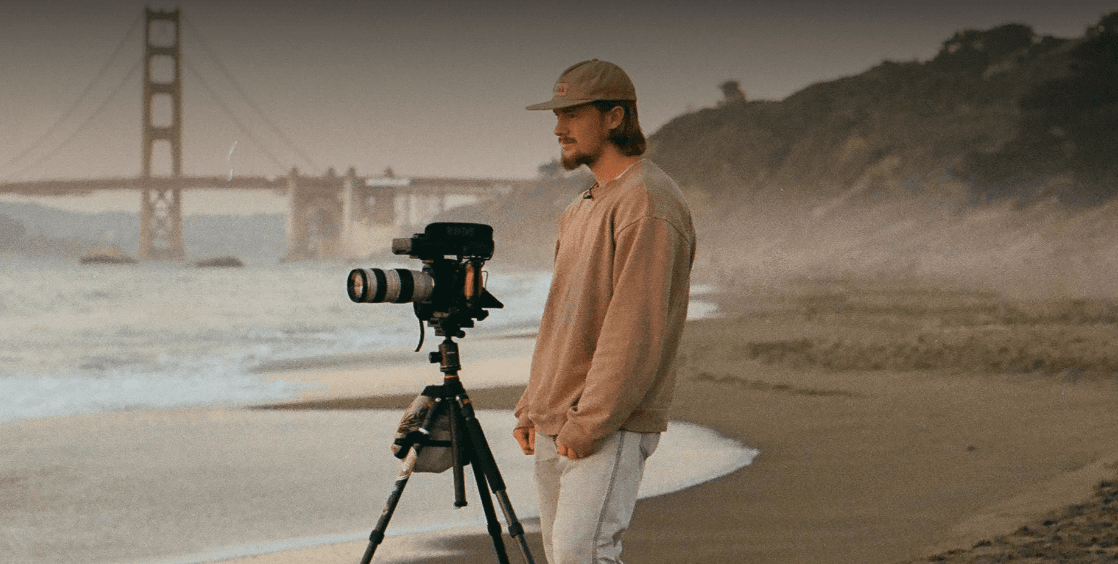
What makes Brae Hunziker worth writing about is not simply that he is a photographer with a recognizable visual style. There are plenty of people online making attractive images. The more interesting story is that his work feels tied to something deeper and more human in photography. He treats the camera less like a tool for output and more like a way of being present in the world. That shift is what gives his work real weight.
Hunziker describes himself as a documentary and landscape photographer based in Tacoma, Washington. He focuses on documenting his travels, time spent in the Pacific Northwest, hikes, and the people he meets along the way. That may sound simple, but it reveals a lot. The emphasis is not on status, polished production, or technical authority. It is on lived experience, on moving through places, paying attention, and creating work from time actually spent there.
That matters because much of photography today is built around optimization. Better gear, faster editing, cleaner results, more efficient ways to capture attention. None of these are inherently wrong, but they can reduce photography to production. In that environment, images are often judged before they are felt. A photo succeeds because it looks expensive, because it signals expertise, or because it fits the logic of an algorithm. The personal or emotional reason behind the image gets pushed aside.
Hunziker’s work suggests a different center. He has spoken about being passionate about photography, but even more interested in using it as a way to immerse himself in different cultures and connect with people. That idea is key. In this view, photography is not the end goal. It is the reason to slow down, to observe more closely, to move through unfamiliar places with intention, and to create moments of connection that might not happen otherwise.
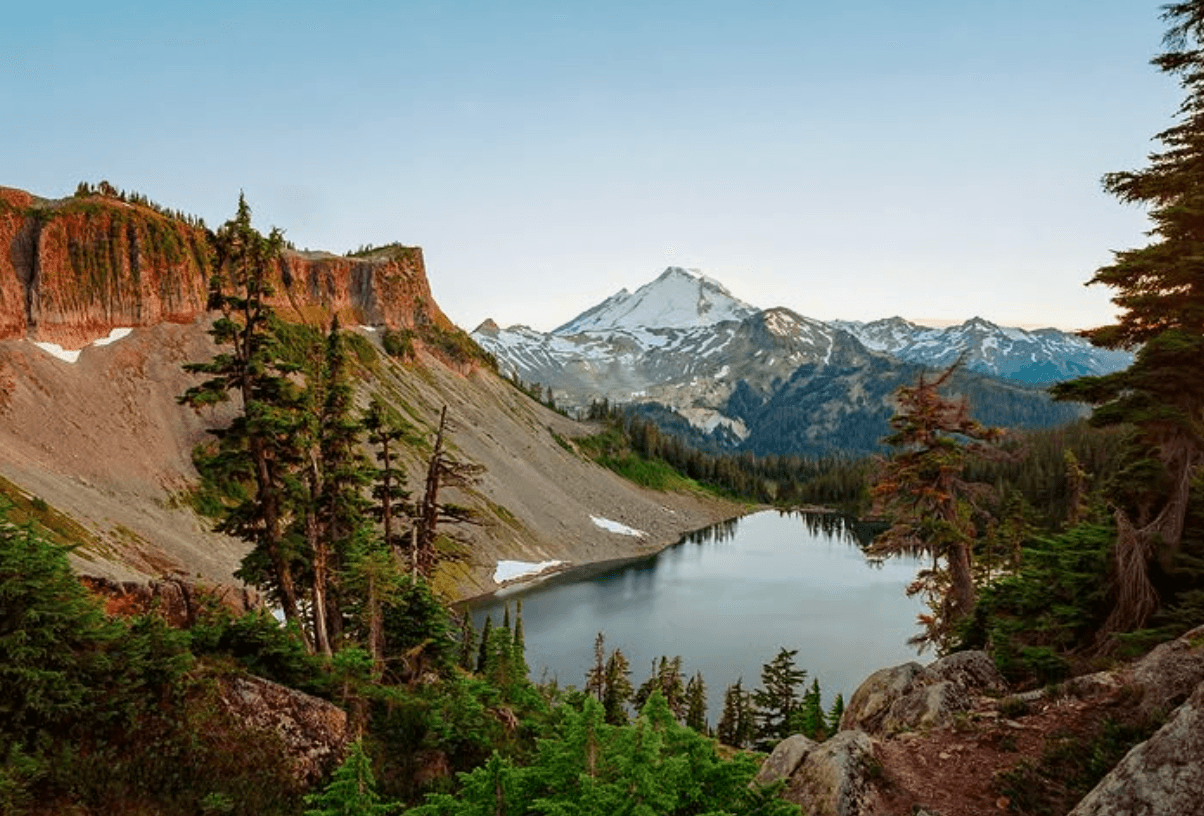
This distinction turns photography from a product into a practice. The camera still matters, but it is no longer the focus. The focus becomes curiosity, patience, and attention, qualities that many people feel they are losing. In a world built on constant scrolling, that shift feels meaningful. It is also one of the reasons Hunziker resonates beyond his immediate audience. He reflects a broader desire to make photography feel grounded again.
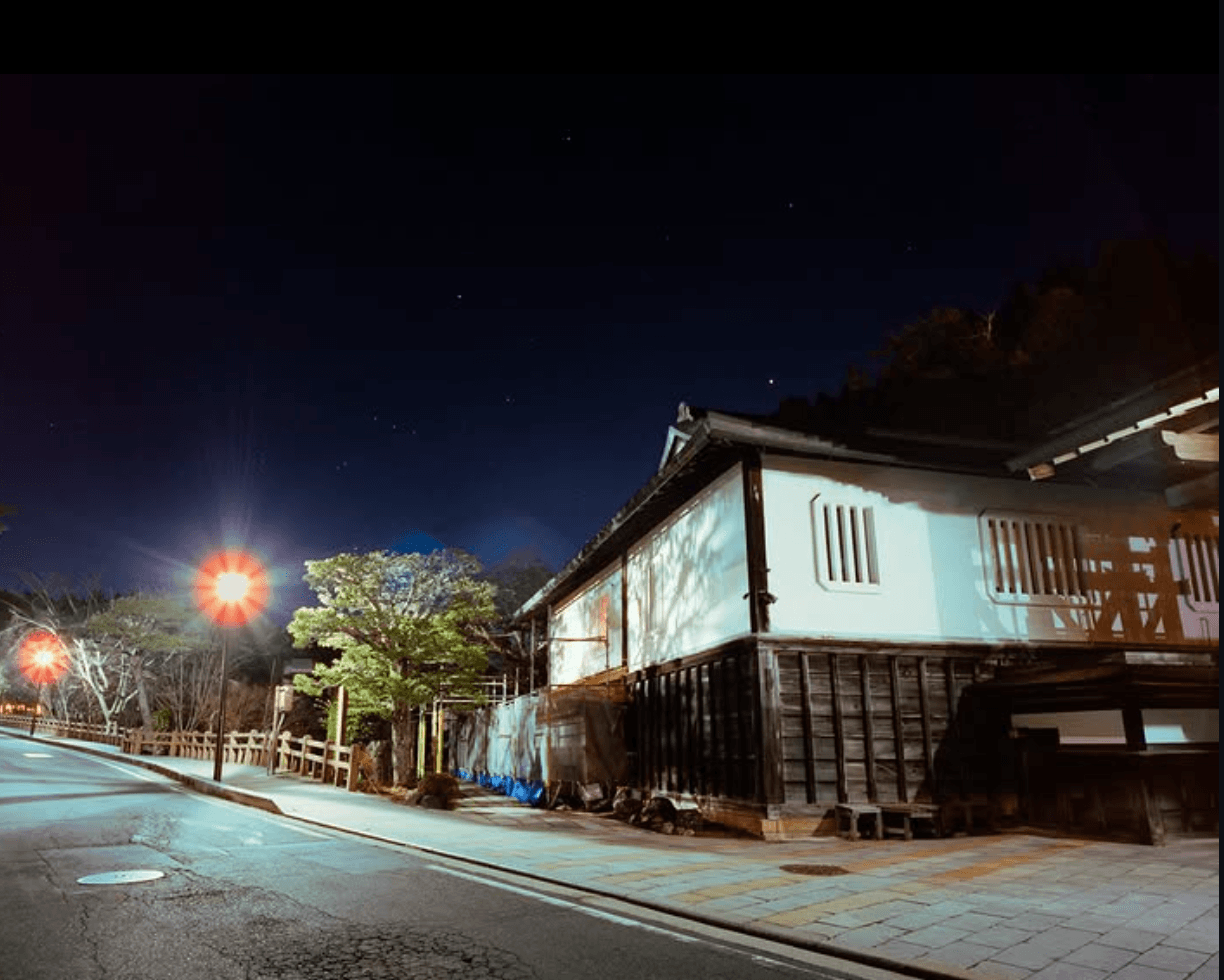
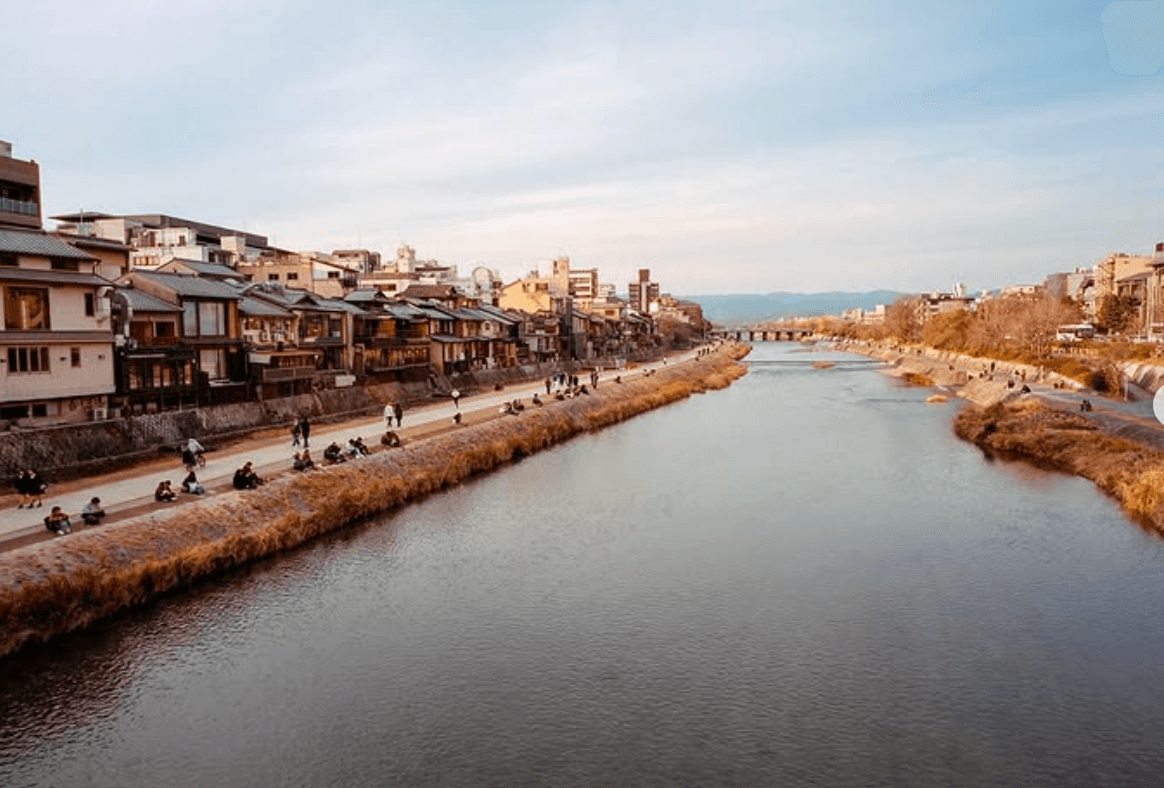
His work also fits into a wider cultural moment without feeling superficial. There is growing interest in film photography, slower living, and more intentional creative processes. Often, those trends are reduced to aesthetics. In Hunziker’s case, the slower feel is tied to values rather than style. His images and films are compelling, but the deeper point is how they position photography as a way to stay connected to time and place. His focus on travel, nature, and the Pacific Northwest reflects a way of working that is rooted in presence rather than performance.
Another important layer is his investment in community. Through his community gallery, Hunziker invites photographers from around the world to share their work and connect with each other. Hundreds of photographers have been featured over the years. This is not a small side project. It shows that his interest in photography goes beyond personal output. He is also creating space for others to participate, contribute, and feel part of something larger.
That choice stands out in the current landscape. Many creators talk about community, but often mean audience. The difference matters. An audience watches. A community participates. An audience is measured in reach. A community is measured in belonging. By building a platform for others, Hunziker moves away from a purely individual model of creativity and toward something more shared and collaborative.
A personal project highlights the emotional depth of his work. In one reflective piece, he documents a visit to his girlfriend’s grandparents’ family farm in eastern Washington, focusing on reconnecting with family, revisiting childhood memories, and preserving the stories tied to that place. The project blends still photography with motion and uses analog formats to shape its tone. It becomes less about visual style and more about preserving moments that might otherwise fade over time.
This is where Hunziker’s work becomes especially meaningful. He is not just creating images that look good. He is working within a tradition that sees photography as a form of preservation. Not preservation in a formal or archival sense, but in a personal one. Preserving the feeling of a place, the presence of people, and the texture of everyday life before it disappears into memory.
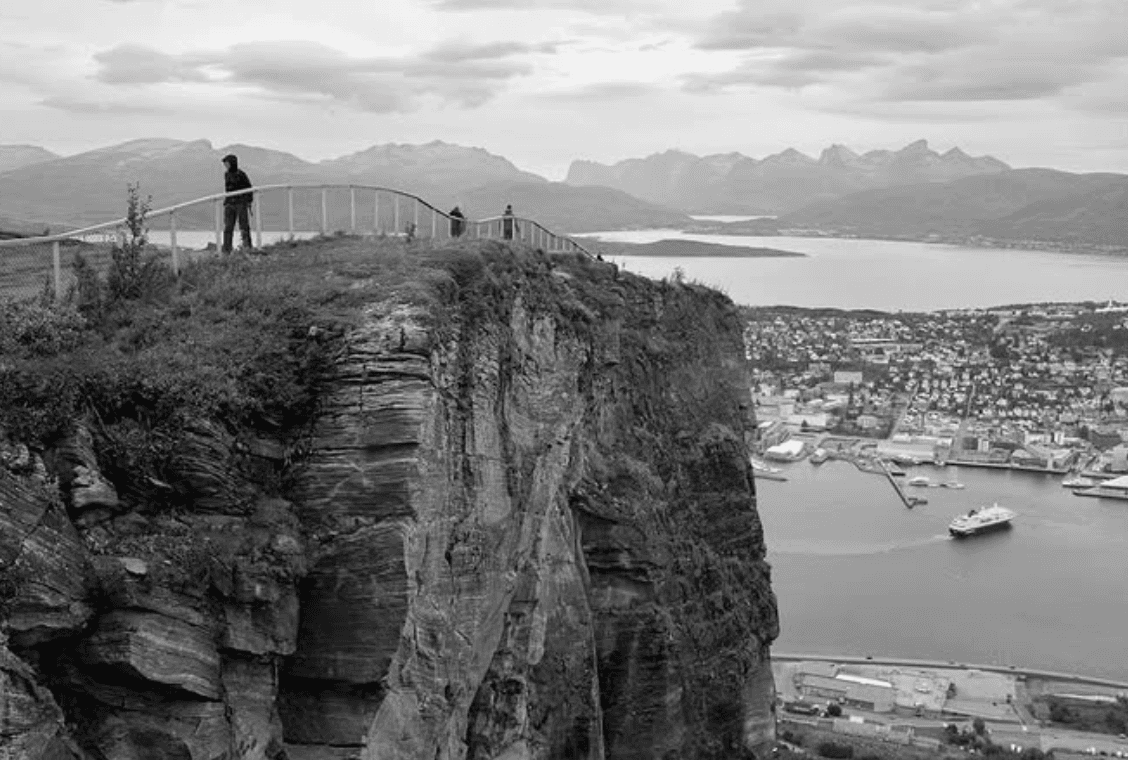
That perspective gives the story broader relevance. Most people understand the feeling that time moves too quickly. Trips blur together. Families change. Places evolve. Even strong memories can begin to fade. Photography has always offered a way to hold onto those moments, but in the digital age it can also distance us from them, as we take more images but feel less connected to each one. Hunziker’s work pushes in the opposite direction. It suggests that fewer, more intentional photographs can bring us closer to life, not further from it.
In the end, the story of Brae Hunziker is not just about a photographer building an audience. It is about what his work represents. In his hands, photography becomes a way to move more slowly through the world, to notice what matters, and to stay connected to people, places, and time. That is what makes his work worth paying attention to, and what makes this a story about photography itself, not just the person behind it.
This article was produced by Prism’s automated news system from verified source data, official records, and press releases, then run through automated quality and moderation checks before publishing. The system is built and supervised by the people who set the standards it runs under. Read our full AI policy.
Did this article answer your question?