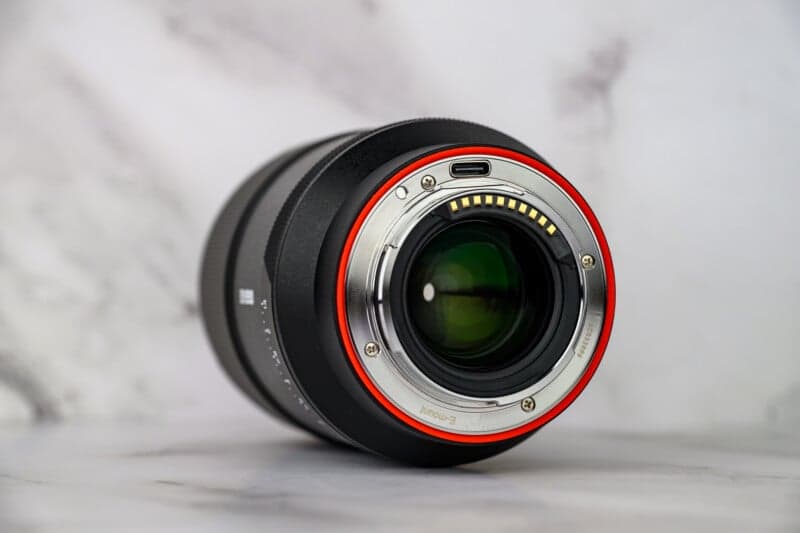
Camera accessory mounts red dot sights for precise wildlife tracking
A $53 pop-up dot sight with a 100-hour battery joins a long line of camera gear borrowed from firearms, but autofocus has already eaten much of its niche.
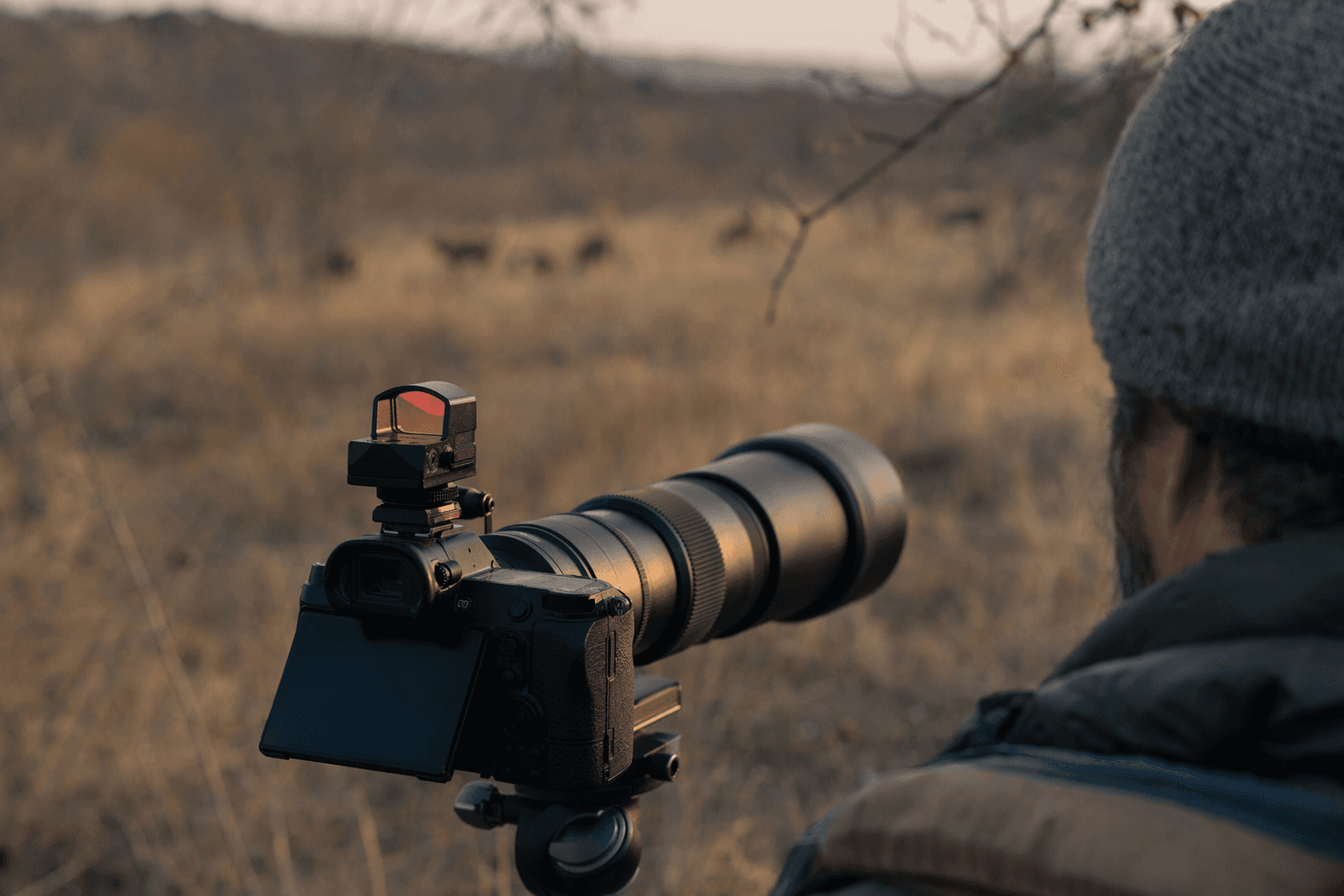
A red dot sight on a camera looks like gear theater until a 600mm lens turns a distant bird, race car or shoreline subject into a speck inside a very narrow frame. The new accessory is pitched as a way to aim more precisely and keep fast-moving subjects in view, which makes it most relevant to wildlife shooters working birds in flight, motorsports photographers tracking cars at speed, and anyone trying to keep a super-telephoto pointed at something that barely stays visible for a second.
This is not a brand-new idea. Etsumi sold a bracket in 2015 for mounting red dot sights to mirrorless and high-zoom digital cameras, and Olympus had already built a dot sight into the Stylus SP-100 superzoom in 2014 before spinning the idea out as the EE-1 in 2015. OM System still sells the EE-1 today for $200, which says a lot about the size of the market and the durability of the use case. The current crop keeps pushing the concept in different directions: Kenko Tokina’s SZ Super Tele Finder attaches to a hot shoe, offers 10 brightness levels, is parallax-free at 70 meters, waterproof to two meters, and costs 48,800 yen, about $399. TTArtisan answered in 2024 with a red or green pop-up dot sight aimed at wildlife photographers, priced at $53, weighing 73 grams, with five brightness levels and a claimed 100-hour battery life at medium brightness.
The practical question is whether the sight solves a real shooting problem or just adds a more aggressive silhouette to the camera body. On birds in flight, the benefit is clear enough: a dot can help you acquire the subject before it slips out of the frame, especially when the lens is so tight that the viewfinder feels like a tunnel. On a track day, it may help with panning and initial target acquisition. But modern mirrorless autofocus, subject detection and electronic viewfinders already do much of that work, and a well-balanced gimbal head or monopod often handles long-lens tracking with less clutter and less fuss. For many shooters, the simpler answer is still the better one.
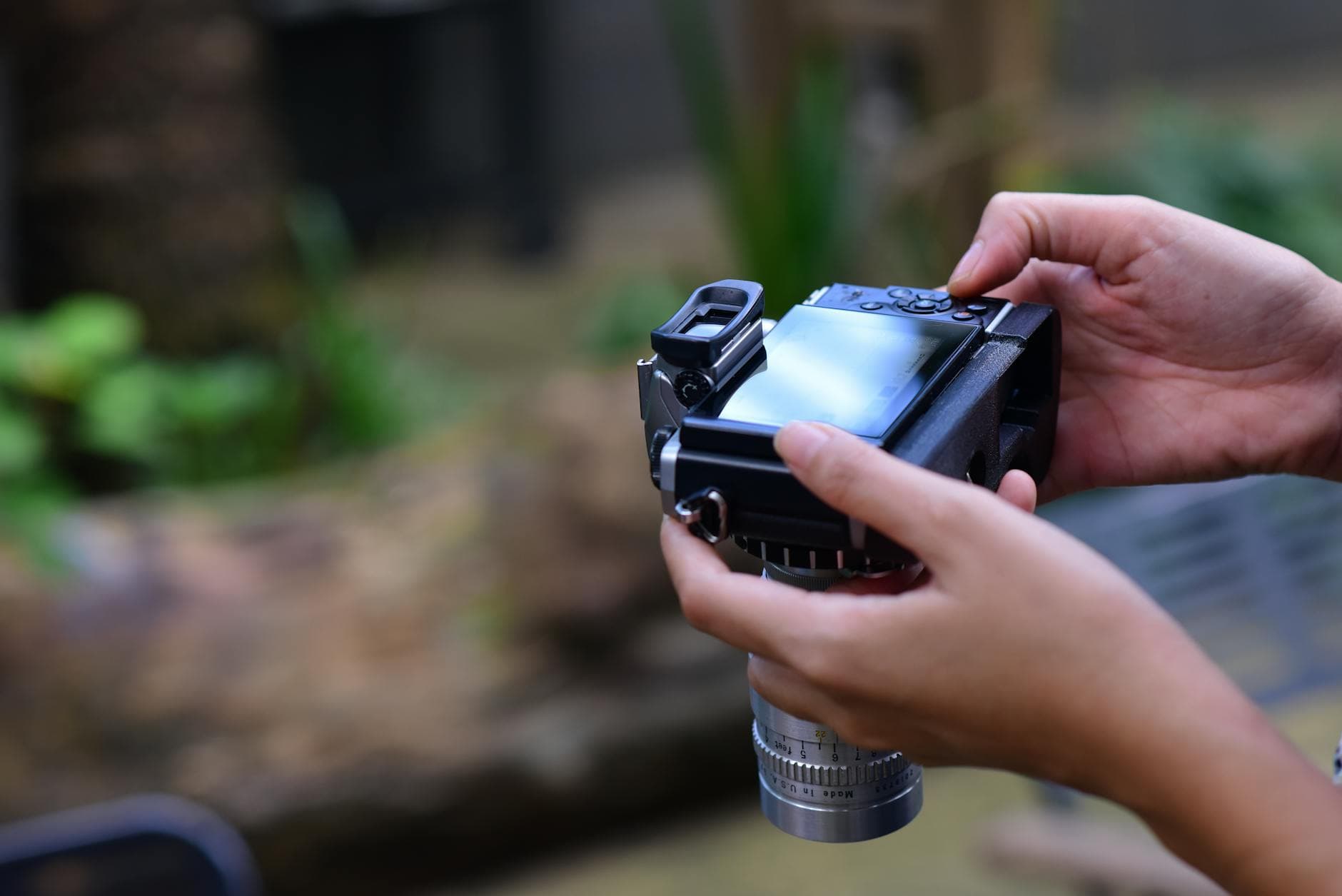
The fascination goes back decades. The Zenit Fotosniper first appeared in the 1940s, designed for military observation before civilian use. Leica rifle-style cameras have become collector trophies, with one Leitz rifle camera expected to fetch up to $280,000 at a 2024 auction and an earlier Leica gun-rifle prototype estimated at up to $350,000 in 2015. A top-secret Russian FS-3 FotoSniper prototype sold for $170,000 in 2021 and was developed in 1943 for Soviet Baltic Fleet reconnaissance with a 600mm f/4.5 lens. Even so, not every gun-inspired camera concept survives. Stockcam, a 2023 rifle-stock camera cage with rails and a wireless trigger, appears to have vanished, with its website no longer online. The surviving products show the line clearly: useful for a narrow class of long-lens problems, but mostly for photographers who already know exactly why they want a dot sight on a camera.
This article was produced by Prism’s automated news system from verified source data, official records, and press releases, then run through automated quality and moderation checks before publishing. The system is built and supervised by the people who set the standards it runs under. Read our full AI policy.
Did this article answer your question?