DSLR vs Mirrorless in 2026, How to Choose the Right Camera System
Mirrorless wins for most photographers in 2026, but the Nikon Z6 III, Sony a7 IV, and Canon EOS-1D X Mark III each make a compelling case depending on how you shoot.
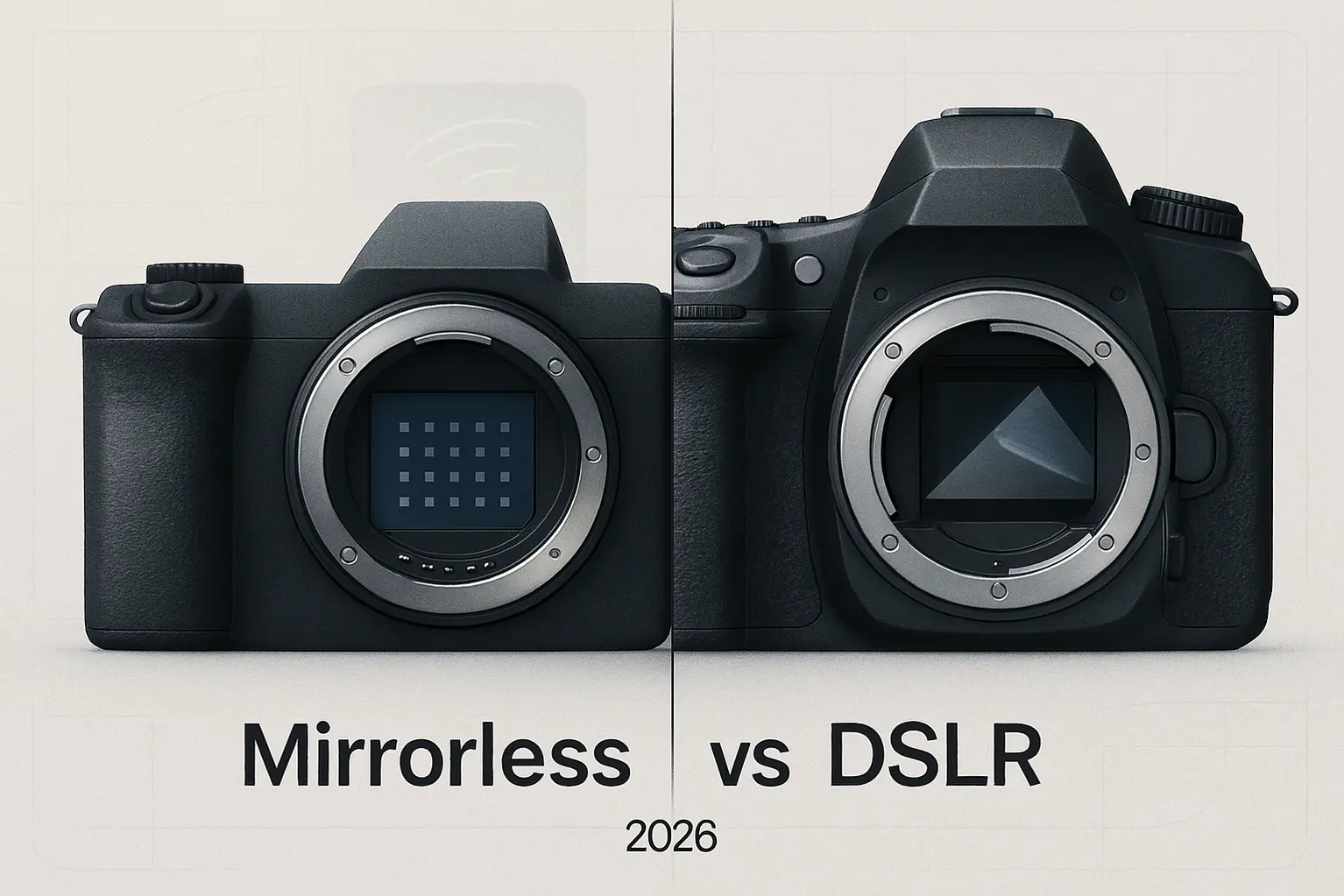
The camera industry's biggest debate has largely been settled, at least in principle. For most photographers shopping for a new system right now, mirrorless is the direction to go. But "most photographers" covers a lot of ground, and the specific body, mount, and ecosystem you choose will have consequences that outlast any single camera purchase. The real decision isn't mirrorless versus DSLR so much as it is: which system fits the way you actually shoot?
What the sensor debate gets wrong
Before diving into use cases and specific models, it's worth clearing up one persistent misconception. Sensor format is not a mirrorless-versus-DSLR question. Both systems offer Four Thirds, APS-C, 35mm full-frame, and even medium-format options. A DSLR with an APS-C sensor will produce roughly the same image quality as a mirrorless APS-C camera, and the same logic applies at full-frame. The format choice matters enormously, but it's independent of the mirror question. Full-frame tends to deliver better image quality across a range of situations, particularly in low light, while APS-C produces a smaller, lighter overall system and can be a genuine advantage for subjects like wildlife where the crop factor extends effective reach. More megapixels aren't automatically better either; whether high resolution is worth the larger file sizes and processing overhead depends entirely on what you're photographing.
The mirrorless case in 2026
The Sony a7 IV launched in late 2021 and has become one of the most purchased full-frame bodies heading into 2026, which tells you something about where the market has landed. Two things keep it selling: a 33-megapixel sensor with strong noise control, and access to the largest third-party lens ecosystem available on any full-frame mirrorless platform. Sony opened the E-mount to third-party manufacturers early, and that decision compounds in value for buyers over time. Sony shooters have more affordable lens options than Canon RF users, and a broader range of specialty glass than Nikon Z users. "For photographers building out a complete system on a realistic budget, lens availability is a genuine practical advantage."
The Nikon Z6 III represents what the research calls the "practical sweet spot" in the current market. At $2,500, it delivers a partially stacked sensor capable of shooting up to 20 frames per second in RAW with autofocus active, which puts it close to flagship performance without the flagship price. For wildlife and action photographers, the Z6 III and the Canon EOS R5 Mark II are the standout choices: both have fast frame rates, weather-sealed builds, and reliable animal tracking. The Z6 III's lower price also leaves more room in the budget for quality glass, "which often makes a bigger difference to image quality than the body itself."
The Sony a7 IV, for all its strengths, does show strain under certain conditions. Its 10fps ceiling starts to become a limitation when subjects move quickly and unpredictably. Bird photography and fast sports work specifically benefit from the more aggressive tracking systems in the Z6 III or R5 Mark II.
The DSLR case in 2026
DSLRs are not dead, and the Canon EOS-1D X Mark III makes that point forcefully. Photographers who built their careers on the 1DX Mark II will find meaningful upgrades to color rendering, white balance, sharpness, and dynamic range. The enhanced DIGIC processor and improvements to the AF algorithm deliver faster, more accurate focusing for moving subjects. Frame rate performance is genuinely competitive: 16fps with the mechanical shutter and viewfinder, and up to 20fps in live view. Those numbers match what the mirrorless field is offering at comparable or higher prices.
The more honest argument for staying with a DSLR in 2026 isn't that DSLRs outperform mirrorless systems on specs; it's that the investment in existing glass, muscle memory, and workflow may outweigh the benefits of switching. That calculation changes depending on how fast you plan to upgrade and how deeply you've built into a particular mount.
Lenses, mounts, and the ecosystem question
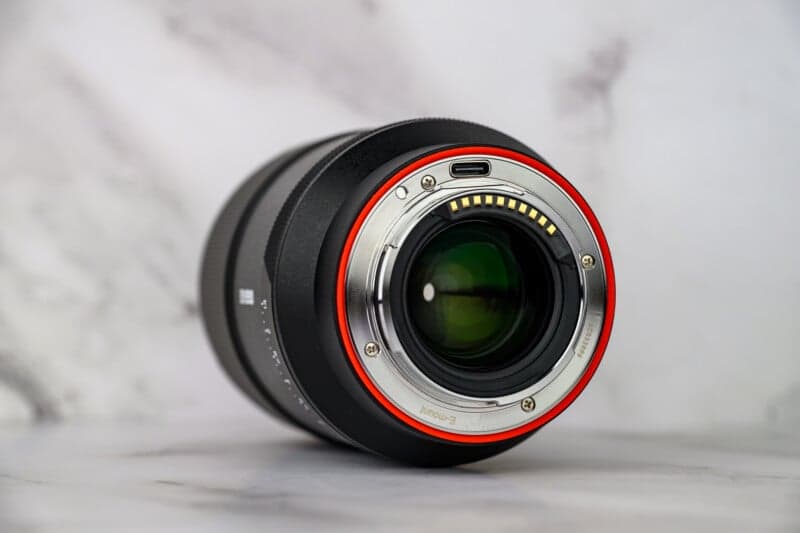
Lens ecosystem is where system decisions get complicated, particularly for Canon users. Canon currently maintains four distinct mounts with different levels of support. The RF mount is the active full-frame mirrorless standard, used by all current EOS R cameras, and full-frame RF lenses work on APS-C bodies too. The RF-S mount serves APS-C mirrorless cameras with lenses designed specifically for the smaller sensor, though it shares the same physical mount as RF. The EF mount covers Canon's DSLR lineup, and those lenses can be used on mirrorless cameras via an adapter, which gives existing Canon DSLR owners a real migration path. The EF-M mount, used by Canon's original EOS M series, is effectively discontinued; Canon no longer develops cameras or lenses for it. You can still find EOS M bodies and glass on the second-hand market, including the EOS M50 Mark II, but for any long-term system build, that platform is finished.
The adapter question deserves particular attention. Canon EF-mount zoom lenses made originally for DSLRs can be used with both M and R mount cameras via adapters, which softens the financial hit of transitioning between systems. This cross-compatibility is one of the underappreciated practical advantages for photographers already holding Canon glass.
The viewfinder experience
One of the most meaningful differences between the two systems is the one that's hardest to evaluate from a spec sheet. DSLRs use an optical viewfinder, a mirror and prism system that reflects the actual scene through the lens and into your eye with zero lag and no digital processing. It's like looking through a window: what you see is what's in front of you. That natural, unmediated experience has real value for fast-moving subjects and for photographers who've spent years developing their eye through an OVF.
Mirrorless cameras use an electronic viewfinder, where the image is constructed digitally. The quality of that experience varies significantly by body. The Z6 III has one of the sharpest EVFs available at its price tier, and photographers transitioning from DSLRs frequently cite the viewfinder as the feature that finally made mirrorless feel right to them. "The viewfinder experience influences buying decisions more than many photographers expect when they're reading specs online." If possible, shoot through the EVF of any mirrorless body you're considering before committing; the gap between good and mediocre EVFs is wider than the spec sheet suggests.
Battery life: improved but still worth planning for
Battery life remains a genuine consideration, though the picture is more nuanced than it was a few years ago. Newer bodies like the Sony A7 IV and Canon R6 II offer significantly better battery life than early mirrorless options, and some now rival mid-range DSLRs in real-world use. USB-C charging, power-saving modes, and battery grips have meaningfully extended practical shooting time. That said, mirrorless sensors are perpetually active, and smaller camera bodies mean smaller batteries, so the structural disadvantage relative to large DSLRs hasn't fully disappeared.
For working photographers, the practical solution is straightforward: carry extra batteries. Most pros keep two to four batteries per camera body regardless of system. For a full wedding day with a mirrorless camera, expect to swap at least once, but that's easy to plan for and not a reason to avoid the format.
Choosing your system
Video capability is a factor worth weighing if you shoot hybrid work, and every modern camera can record video in some form. The quality, codec options, and heat management vary enough between bodies that hybrid shooters should evaluate specific models against their production needs rather than making assumptions based on system alone.
The bottom line, as one summary of the current market puts it: "consider what you already own, what kind of photography you do, and how fast you plan to upgrade. Mirrorless systems are more adaptable than ever, but not all ecosystems are equally flexible or affordable, so choose the one that fits your work and budget best." That's the most honest framework available. The question isn't which technology is objectively superior. It's which combination of body, glass, and ecosystem will still be serving you well in five years.
This article was produced by Prism’s automated news system from verified source data, official records, and press releases, then run through automated quality and moderation checks before publishing. The system is built and supervised by the people who set the standards it runs under. Read our full AI policy.
Did this article answer your question?