FCC Seeks Comments on Drone Covered List, Creators Weigh In
Creators have until May 11 to tell the FCC how its drone covered-list move is affecting sales, support, and the gear already in their bags.
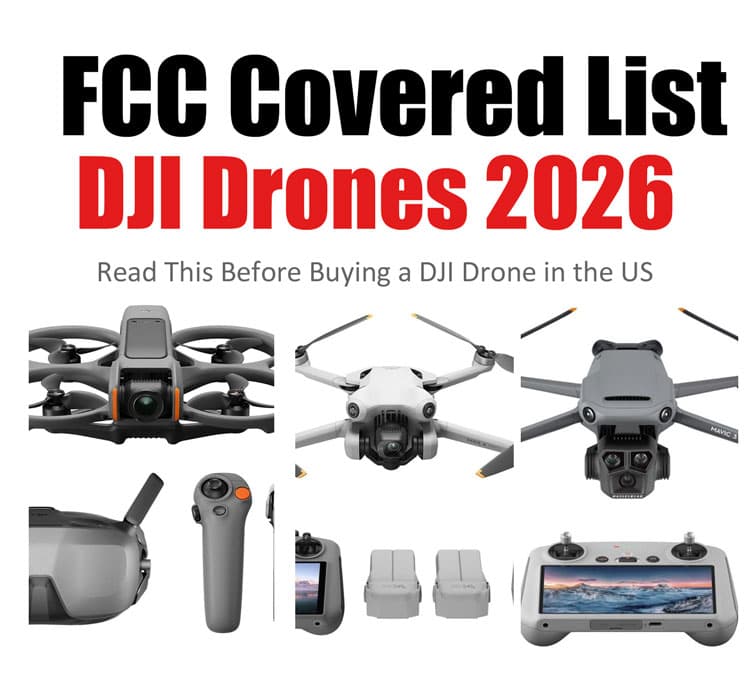
The FCC’s drone covered-list fight is one of the rare moments photographers and filmmakers can still push back before restrictions harden into the market. The reply deadline is May 11, 2026, and the agency is taking comments on petitions from DJI and Autel after its December 22, 2025 decision to add foreign-produced uncrewed aircraft systems and critical components to the Covered List.
That move has already changed the aerial imaging business far beyond the drone aisle. FCC guidance says the designation blocks new equipment authorizations for covered foreign-produced UAS and components, which means companies like DJI can no longer bring new products to the U.S. market unless they get special authorization. For creators who shoot real estate, landscapes, events, industrial work, or documentaries, that affects more than what is on shelves. It reaches into pricing, support, upgrade paths, and the long tail of parts and accessories that make a drone practical to own.
The filing window is tied to a formal record the FCC set out in Public Notice DA 26-223 on March 6, 2026. DJI filed a petition for reconsideration on January 21, 2026, and Autel filed an application for review the same day. A Federal Register notice set oppositions to those filings for April 6, 2026, with replies due May 11, making this the last major chance for affected users to spell out how the policy lands in day-to-day work.
The FCC’s FAQs say the covered-list action does not automatically reach drones made exclusively for federal government use, since those generally do not need FCC equipment authorization. The agency also left several creator-facing questions unresolved, including whether foreign-produced parts inside otherwise U.S.-made drones matter, how dual-use equipment is treated, whether testing and evaluation are restricted, and whether Blue UAS approval creates an exemption.
That ambiguity matters because the January 7, 2026 follow-up notice carved out temporary relief until January 1, 2027 for some equipment, including items on the Defense Contract Management Agency’s Blue UAS Cleared List and products that qualify as domestic end products under Buy American rules. At the same time, DJI has already skipped U.S. releases of products including the Avata 360, the Osmo Pocket 4, and the Mic Mini 2, a sign that the fallout is spreading into the wider creator ecosystem, not just the drone category.
The public-comment process gives photographers, filmmakers, and commercial operators a direct channel to tell regulators what the ban means for jobs, safety, and access to tools. In a market where DJI has long dominated aerial imaging, the FCC’s next move will shape what creators can buy, what they can repair, and what they can realistically keep in service.
This article was produced by Prism’s automated news system from verified source data, official records, and press releases, then run through automated quality and moderation checks before publishing. The system is built and supervised by the people who set the standards it runs under. Read our full AI policy.
Did this article answer your question?