Film Photography Apps Are Booming as Creators Reject AI Perfection
Grain, blur, and washed-out color are everywhere in 2026, and the apps driving the trend reveal something deeper than nostalgia: a direct revolt against AI perfection.
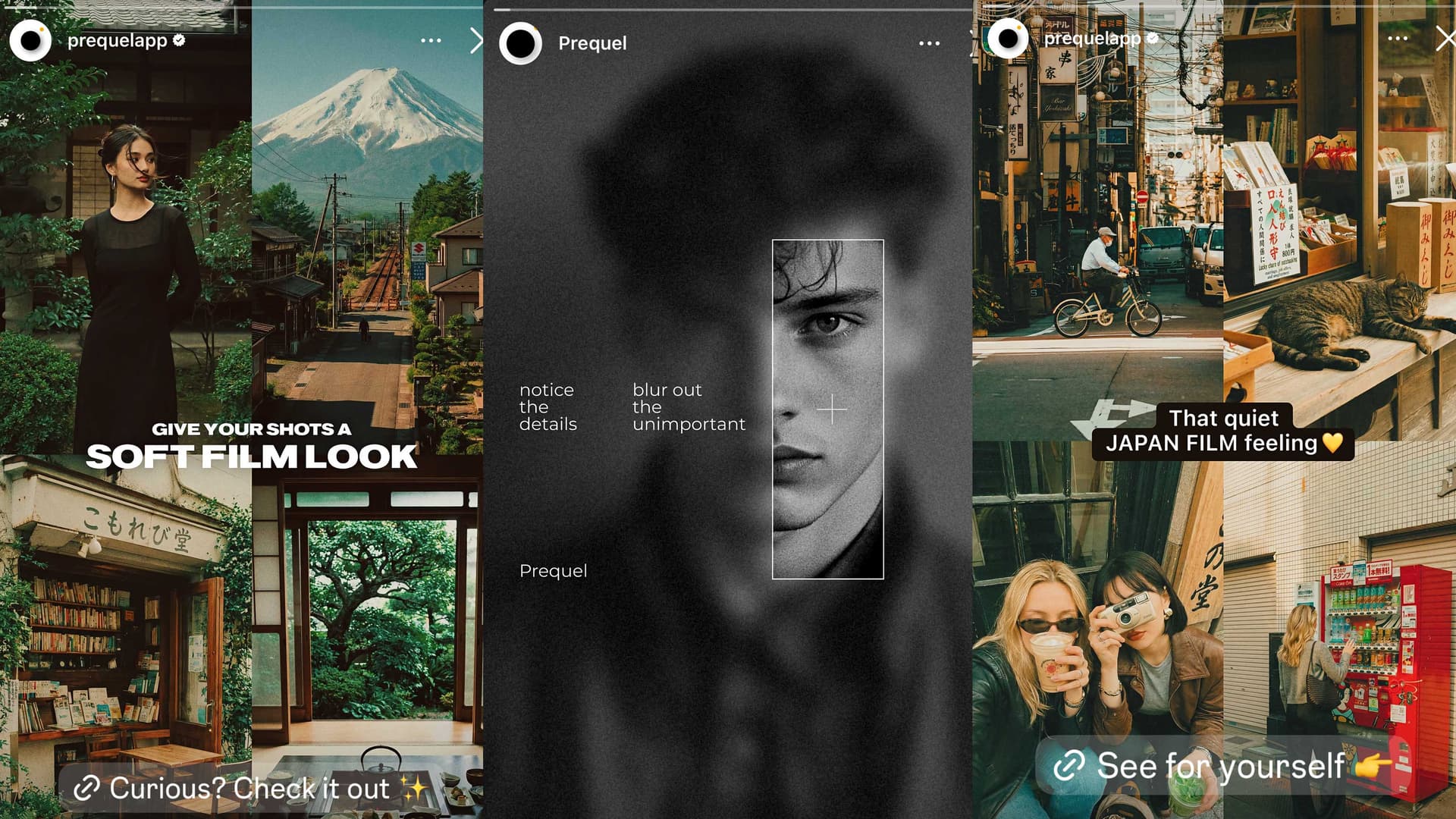
Scroll Instagram for twenty minutes and you'll likely see ads for Prequel, Most, and Luminar before you finish your coffee. In a single session, writer Hannah Rooke at Digital Camera World counted ads for all three apps back to back, each promising to transform crisp digital photographs into film-esque shots. That style of image, she noted, is everywhere: billboards, magazines, websites, and feeds alike. But the saturation of these apps in targeted advertising is only the surface signal of something much larger happening in how creators think about images in 2026.
The Authenticity Revolt
At first glance, the appetite for grain and blur reads as another cyclical photography trend. But the deeper pull, Rooke argues, is about connection, not aesthetics. It traces back to the early 2020s, when a sudden demand for more authentic content pushed Gen Z creators to provide an antidote to the hyper-sharp, hyper-detailed output of AI-assisted photography.
By incorporating grain, light leaks, and motion blur, artifacts once considered imperfections in film photography, creators found it easy to produce images that oozed warmth and sincerity. What the industry has started calling "authenticity fatigue" is real: viewers and clients have grown so accustomed to clinical AI polish that the deliberate rough edge now carries emotional weight a pristine render simply cannot. Photographers across genres report a strong shift toward raw, emotionally charged photographs that feel lived-in rather than flawless, where missed focus, motion blur, visible grain, and unretouched moments are increasingly seen as strengths, not mistakes.
How the Apps Actually Work
The technical architecture behind today's film-look apps is more sophisticated than a simple Instagram filter, and that sophistication is exactly what makes them convincing. Modern apps combine algorithmic grain, localized blur, and film-curve color transforms to emulate the tonal signatures of classic emulsions like Kodak Portra and Fujifilm stocks. Crucially, many now deploy AI models that adapt the emulation per image content rather than applying a one-size-fits-all overlay, so the grain structure in a shadow-heavy portrait behaves differently from the grain in a blown-out sky.
Prequel, one of the most advertised apps in the space, allows users to select a film theme based on specific cultural touchstones: options like "1960s Glam" or "Twin Peaks" nod directly to the color grade of the popular series, grounding the aesthetic in recognizable visual history rather than abstract vintage. That level of referential specificity is what separates the current generation of film-look tools from the flat VSCO filters of a decade ago.
Who's Adopting the Look (and Why It's Not Just Hobbyists)
The trend didn't stay with individual content creators for long. Big-name high street brands including Nike and All Saints, alongside luxury fashion labels, wedding photographers, and travel companies, started replacing perfectly in-focus airbrushed shots with images carrying hazy film textures, bright flash, and visible movement. For clients in lifestyle, weddings, and editorial work, "film-like" tones have shifted from a stylistic option to a deliverable expectation, prompting working photographers to build dedicated preset and LUT libraries, and to think strategically about when to introduce grain or blur at the export stage.
Portrait photographer Esther Kay frames it bluntly: "AI will streamline culling, editing, and color work. But the art remains human. The luxury look of 2026 is authenticity: real texture, real emotion, real connection." That framing, luxury as imperfection, represents a genuine inversion of how premium imagery was defined even five years ago.
The Hybrid Workflow: AI Culling Meets Analog Emulation
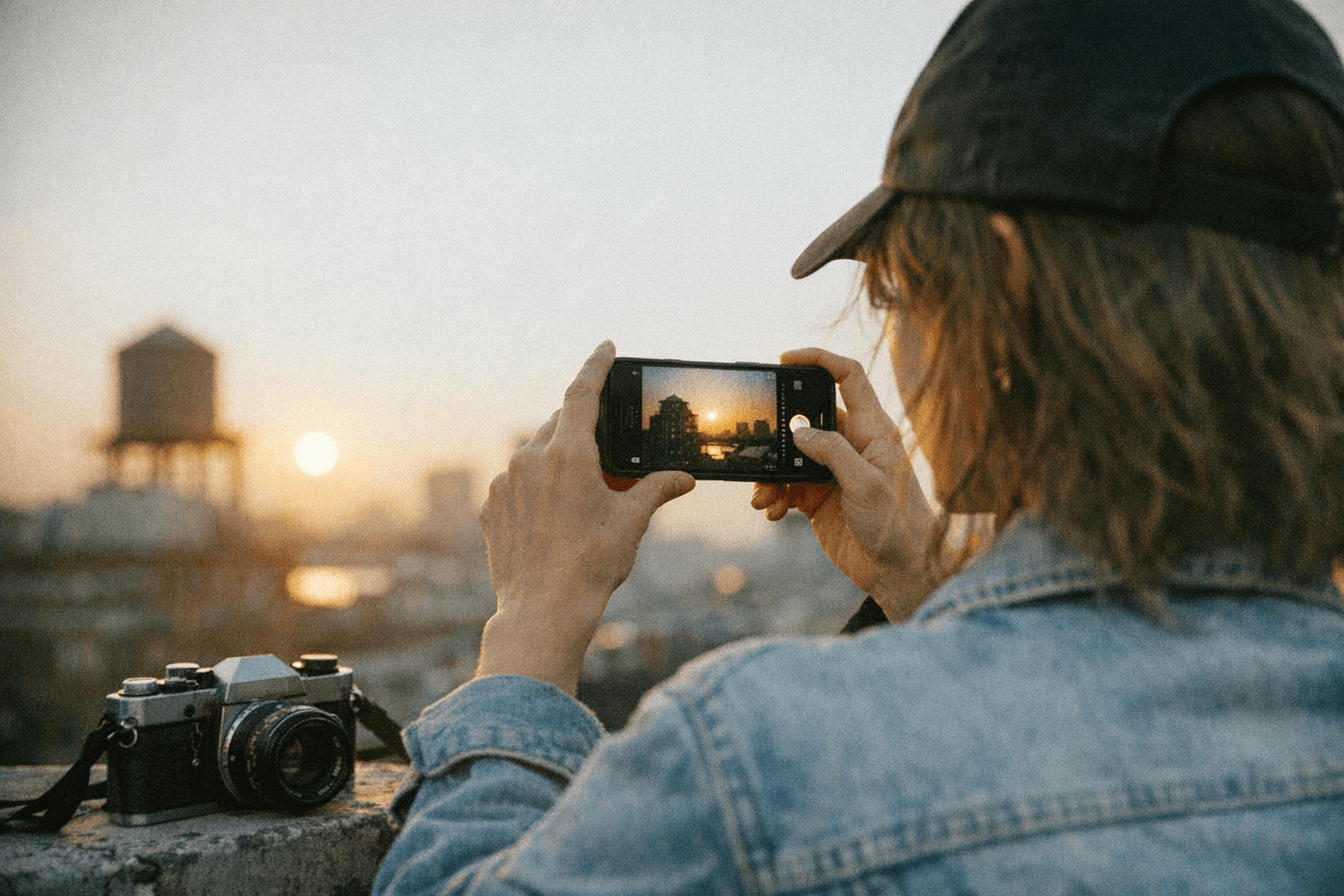
One of the more counterintuitive developments the film-look boom has produced is a workflow that fuses the two aesthetics creators are supposedly choosing between. Rather than treating AI tools and film emulation as opposites, a growing number of photographers use AI-assisted culling to rapidly sort and shortlist their selects, then layer film emulation on top to give the final set an emotional consistency and tactile warmth. The result: feeds that still hit engagement metrics but feel markedly less synthetic than fully AI-processed work.
Industry practitioners working this way say the key distinction is intentionality. The quote that keeps circulating among this community captures it precisely: "the look matters less than the feeling." Film emulation applied selectively to match a narrative is a storytelling tool. Applied by default to every frame, it becomes noise.
The Cliché Trap
That caveat deserves its own attention. The very ubiquity that makes the film look culturally significant in 2026 is also its greatest risk. When every wedding gallery ships with the same warm shadows and halation glow, the emotional distinctiveness that made the aesthetic powerful starts to erode. Photographer Paul Williams acknowledges the appeal plainly: "Analogue is going to explode. It's imperfect, and it has soul. That's why it resonates." But photographers are emphatic that this is not about fake film presets applied indiscriminately; it is about intention, restraint, and the emotional permanence of images that feel real.
The most effective uses of film emulation in 2026 are story-driven rather than purely retro. A travel editorial where grain reinforces the rawness of a remote location reads differently from a product shot with grain added because it's trending. Knowing which is which is the craft question the tool cannot answer for you.
What This Signals for the Industry
Rooke's broader conclusion in Digital Camera World is that the film aesthetic's rise is not an anti-technology rejection. It's an example of creators using modern computational tools to evoke older, emotionally resonant visual languages. The irony is precise: the most technically capable AI photo tools ever built are being used to simulate the limitations of a medium those tools could otherwise render obsolete.
As AI photo tools become more capable of creating technically flawless images, human tastes appear to privilege the imperfect, a dynamic that will likely influence presets, app UX, and educational content for photographers learning to marry modern processing speed with analog sensibility. For app developers, that means the market opportunity is not in building tools that make images better by conventional standards, but in building tools that make them feel more human. For photographers, it means the differentiator in a crowded feed is increasingly not sharpness or dynamic range. It's grain you chose to be there on purpose.
This article was produced by Prism’s automated news system from verified source data, official records, and press releases, then run through automated quality and moderation checks before publishing. The system is built and supervised by the people who set the standards it runs under. Read our full AI policy.
Did this article answer your question?