Fujifilm exhibition in Tokyo traces Japan’s rise as a photography powerhouse
Fujifilm’s Tokyo exhibition gathers rare photos, cameras and books to show how Japan’s photographic culture took root, and it doubles as a sourcebook for modern shooters.
Fujifilm’s Tokyo show is not a new-camera launch, and that is exactly why it matters. How Japan Became a Photography Powerhouse: The Beginnings gathers rare photographic objects into one place and turns them into a clear look at how Japan built the visual culture that still shapes the hobby today.
A museum show with real shooting payoff
The exhibition is on view at FUJIFILM SQUARE Photo History Museum in Tokyo Midtown from July 1 to September 17, 2026. Fujifilm says the show introduces the early history of photography in Japan through objects from the FUJIFILM Corporation collection, and it includes about 30 items drawn from that archive.
That mix matters for photographers because it is not a glossy brand retrospective built around modern gear. The display reaches into photographs, historical equipment, books, and reference materials from the mid- to late 19th century, which makes it closer to a working visual archive than a straight corporate showcase. If you like looking at a body of work and asking how the pictures were made, the museum gives you that kind of evidence to study.
What sits inside the Fujifilm archive
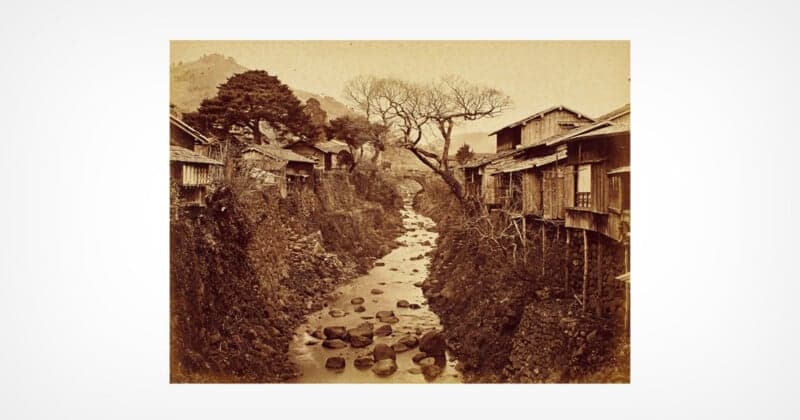
The backbone of the exhibition is the FUJIFILM Photo Collection, which Fujifilm describes as 101 selected photographs by 101 photographers. The company says that collection was assembled in 2014 for the Fujifilm Group’s 80th founding anniversary, and that its works run from the end of the Edo period and the Meiji period to the present day.
That span is the key to the show’s value. Instead of isolating a single era or a single aesthetic, the collection maps a long run of change, from the earliest days of photography in Japan to the present. For readers who think in terms of series, bodies of work, and sequencing, that is a useful reminder that a strong project often gains power when it covers time with discipline rather than trying to say everything at once.
The exhibition also helps frame how deep the country’s photographic roots go. The daguerreotype, the world’s first viable photography technique, was introduced in France in 1839 and is thought to have arrived in Japan on a Dutch ship that docked at Nagasaki in 1848. From there, Japanese photographic culture flourished from the late 1860s onward, setting the stage for the country’s later leadership in imaging.
Why this history still feels current
The bigger story is not simply that Japan has a long photographic past. It is that this past predates the modern dominance of brands like Canon, Nikon, Sony, Panasonic, and Fujifilm itself, which means the country’s camera culture was built on something broader than product lines. The exhibition makes that point through surviving objects rather than interpretation alone.
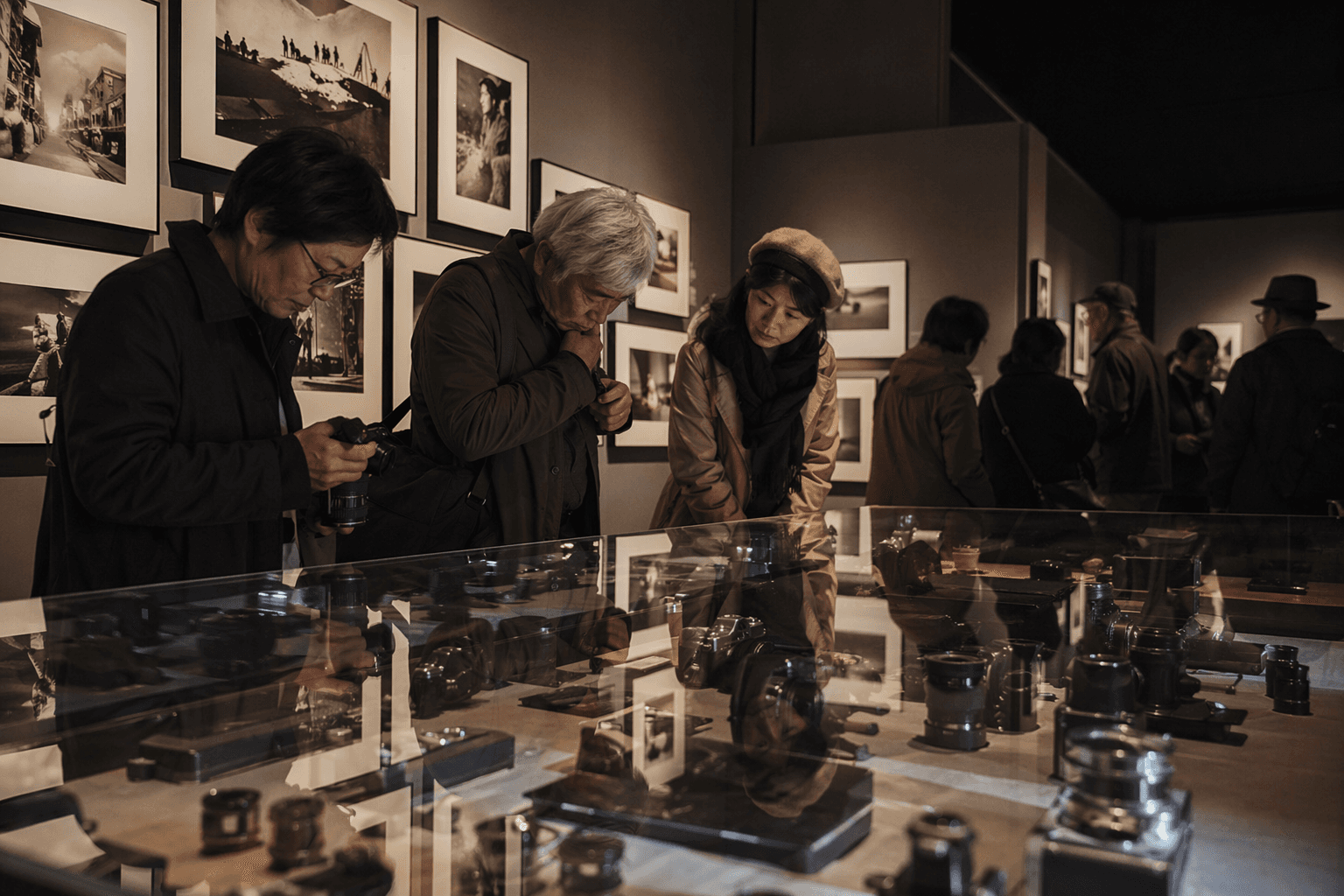
FUJIFILM SQUARE is designed for that kind of encounter. Fujifilm describes it as a Tokyo Midtown showroom with photo exhibitions and a museum that recounts the history of photography and the camera. The Photo History Museum is intended to show the history of photography and the progress of cameras through antique cameras, Fujifilm products, and related materials, so the venue itself reinforces the idea that imaging history is not a side note to the brand, but part of the brand’s public identity.
Some guides to the museum describe its photographic-history focus as covering about 170 years of change. That long arc is useful because it links the earliest chemical processes of photography to the camera systems, film culture, and digital tools that followed. For hobby photographers, that kind of continuity matters: it shows that the present-day obsession with lenses, formats, and output has a deep lineage.
What you can borrow for your own work
The exhibition’s real hobbyist payoff is not nostalgia. It is a set of visual habits you can put to use in your own photography.
- Look at color with restraint. Early photographic materials and historical prints often force a tighter relationship between tone, surface, and subject. That can sharpen your eye for limited palettes and controlled backgrounds.
- Think in sequences, not just singles. A collection spanning the end of the Edo period through the present day encourages you to build projects that reveal change over time, whether you are shooting a neighborhood, a family archive, or a recurring landscape.
- Choose subjects with document value. The museum’s books, reference materials, and working equipment underline how much weight simple objects can carry when they are photographed with purpose.
- Pay attention to the feel of a historical frame. The show’s emphasis on early photography in Japan is a reminder that composition can be strong without being crowded. Clean edges, centered forms, and careful spacing can do as much work as technical spectacle.
That is where this exhibition lands beyond the glass cases. It shows how a national photographic culture grows from tools, archives, and repeated looking, then turns those same ingredients into a living tradition.
A history lesson that points back to the present
The most compelling part of How Japan Became a Photography Powerhouse: The Beginnings is the way it links a small set of rare objects to a much larger story. A camera body, a surviving print, a reference book, or a piece of documentation from the 19th century can carry as much weight as a headline-making new release when it reveals how photographers learned to see.
That is the thread running through FUJIFILM SQUARE in Tokyo Midtown, from the Photo History Museum’s antique cameras to the company’s 101-photograph collection and the exhibition’s roughly 30 rare items. It all points back to the same idea: Japan’s camera culture was built over generations, and the best historical displays still have something to teach anyone who picks up a camera now.
This article was produced by Prism’s automated news system from verified source data, official records, and press releases, then run through automated quality and moderation checks before publishing. The system is built and supervised by the people who set the standards it runs under. Read our full AI policy.
Did this article answer your question?