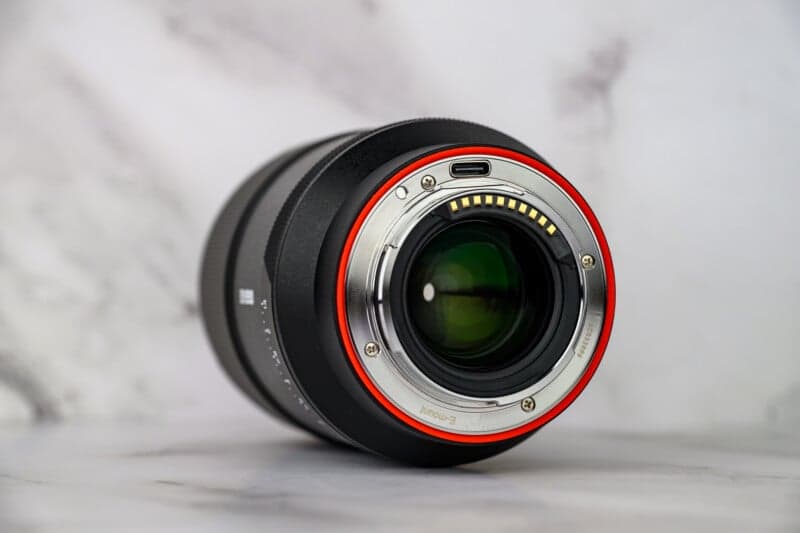
Godox Launches Affordable Macro Twin Flash for Precise Close-Up Lighting
Godox's new twin flash gives macro shooters independent left-right control at a price that could finally make directional close-up light feel practical.

Godox introduced the Macro Twin Flash as a budget-friendly way to get more exacting light on tiny subjects, and that is the real story here. For macro work, the jump from flat, all-over illumination to independently controlled left and right flash heads can mean the difference between a dead-looking close-up and one with texture, shape, and separation.
That control matters most when the subject has form worth showing off. Insects, jewelry, food garnishes, watch parts, coins, and product details all tend to look better when one side is allowed to fall slightly darker than the other. A twin flash gives you that option without forcing you to drag light around a setup or settle for the even-but-sometimes-boring look of a ring light. The practical payoff is simple: highlights land where you want them, shadows stop wiping out detail, and shiny surfaces are easier to tame.
This is also where the Macro Twin Flash undercuts the usual excuses. Cheap speedlight setups can work for close-ups, but they are clumsy when you want both precision and repeatability. You can bounce, flag, feather, or rig the light off-camera, but that takes time and usually more gear than a casual home setup deserves. Independent control over each side of the twin flash cuts out some of that fiddling. If the left side is blowing out a reflective shell or the right side is flattening a gemstone, you can adjust the balance instead of rebuilding the whole setup.
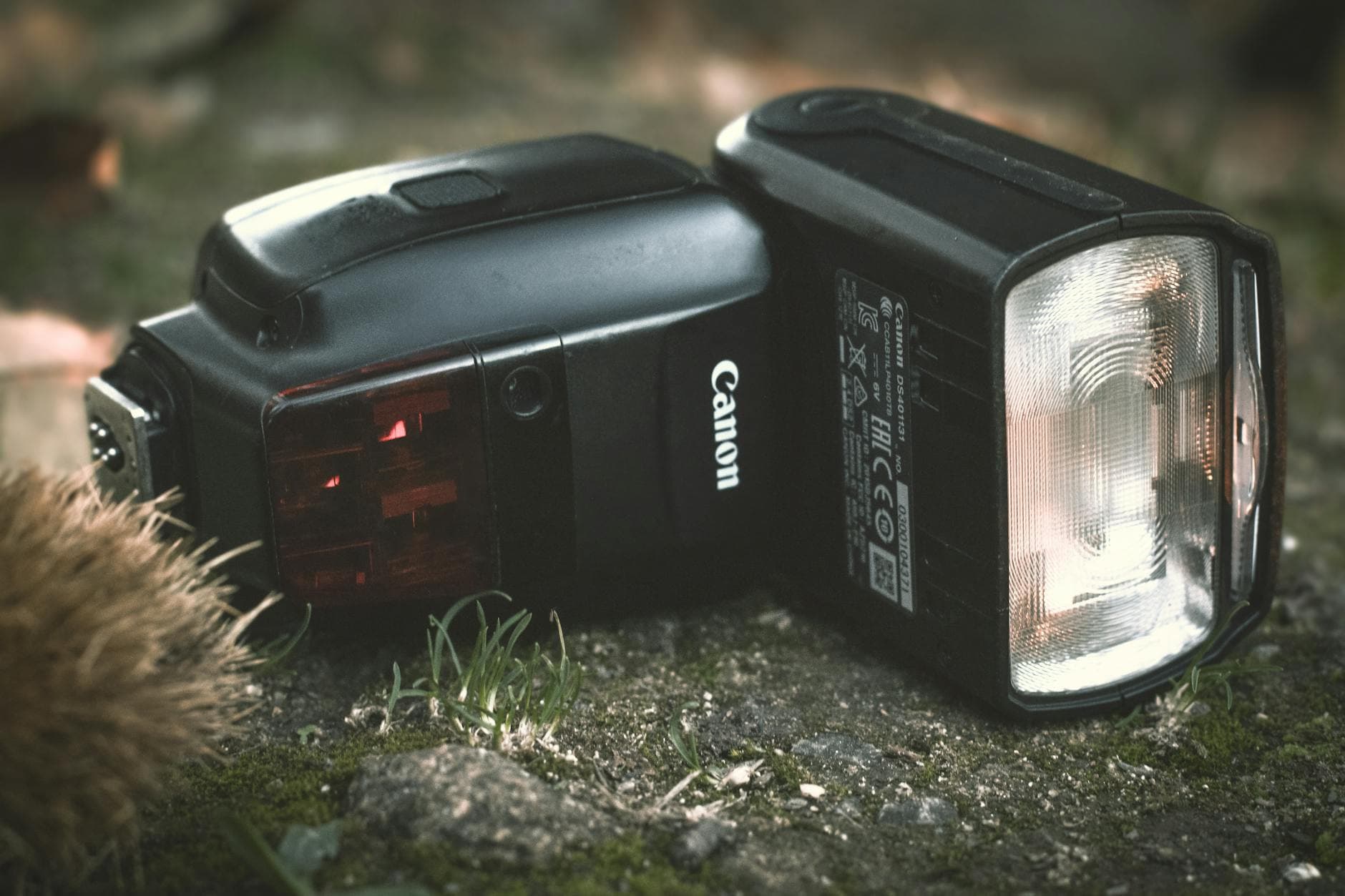
That makes the new Godox unit especially appealing for photographers who shoot macro at home and want a cleaner path to pro-looking results without stepping into a much pricier lighting ecosystem. It will not magically fix bad focus, shaky technique, or a messy composition, but it lowers the barrier on one of macro’s biggest headaches: lighting tiny subjects in a way that still shows depth. For anyone who has tried to photograph a beetle, a ring, or a plated dish and ended up with a sterile wash of light, that is a meaningful upgrade, not a gimmick.
This article was produced by Prism’s automated news system from verified source data, official records, and press releases, then run through automated quality and moderation checks before publishing. The system is built and supervised by the people who set the standards it runs under. Read our full AI policy.
Did this article answer your question?