Harman brings color film back to life, reigniting analog photography
Harman’s experimental Phoenix line grew from one grainy ISO 200 roll into a real color-film program, backed by new machines and a bigger Mobberley investment.
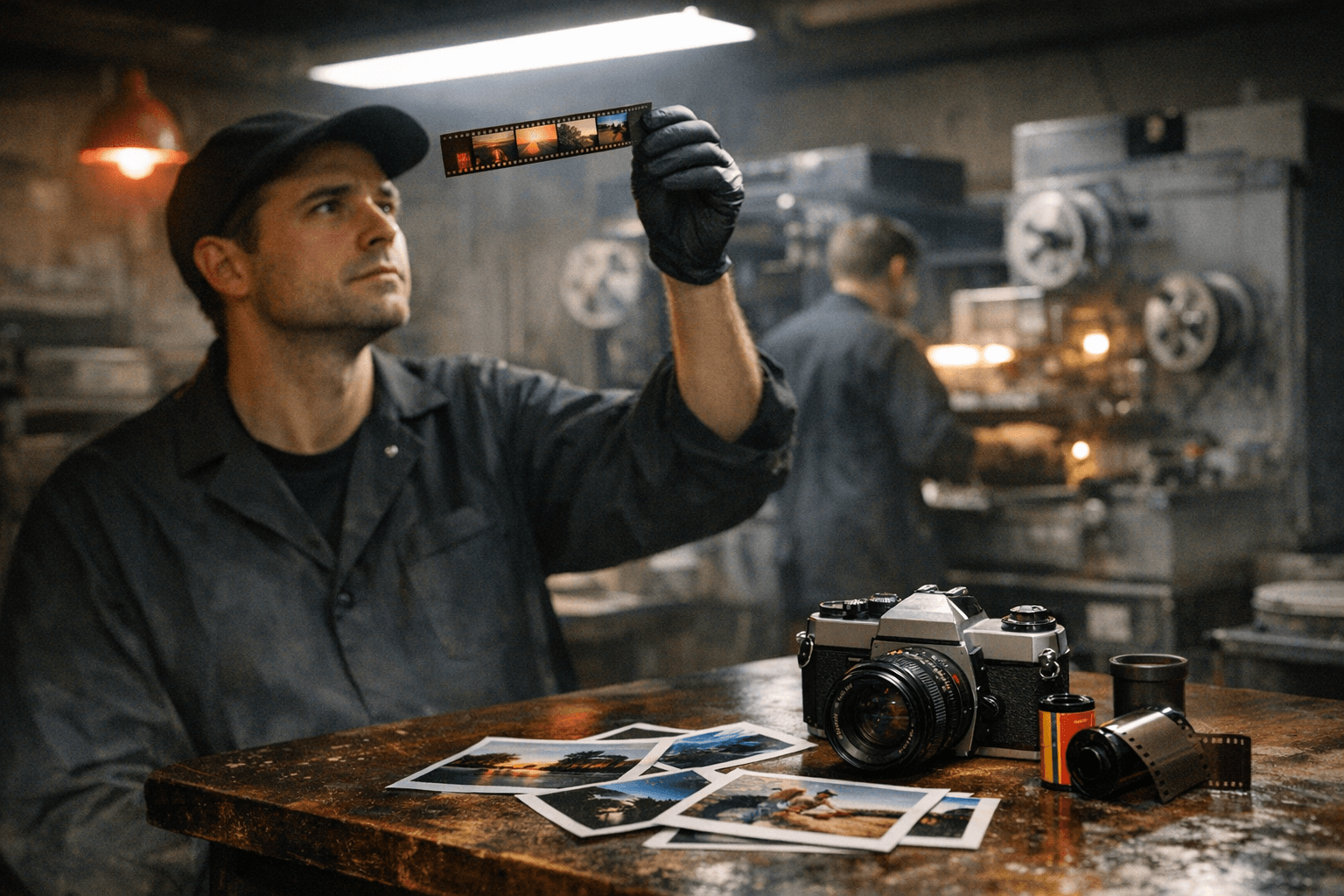
Harman’s quiet Mobberley operation has done more than pull a single color roll back from the dead. In less than three years, HARMAN Phoenix 200 turned into Phoenix II, then Switch Azure, giving film shooters something the medium has been missing for years: a color pipeline with factory backing, not just nostalgia.
The story began in December 2023, when Harman announced Phoenix 200 as its first-ever color film made entirely from emulsion to cassette at the Mobberley factory in North West England. The stock was an ISO 200 C-41 color negative film, and Harman framed it as experimental, limited-edition, high-contrast and grainy. That mattered because Harman, best known for Ilford-branded black-and-white film, had long been one of the few manufacturers still making a full range of black-and-white products while color supply kept narrowing across the industry.
Phoenix did not stay a one-off. Harman released Phoenix 200 in 120 format on September 5, 2024, answering medium-format demand from photographers who had already pushed back through the company’s feedback channels. In July 2025, Harman launched Phoenix II as a second-generation color film and said it was very different from the original Phoenix. By March 2026, the company had added Switch Azure, another experimental color stock based on the Phoenix platform, making clear that the color effort had become a line, not a stunt.
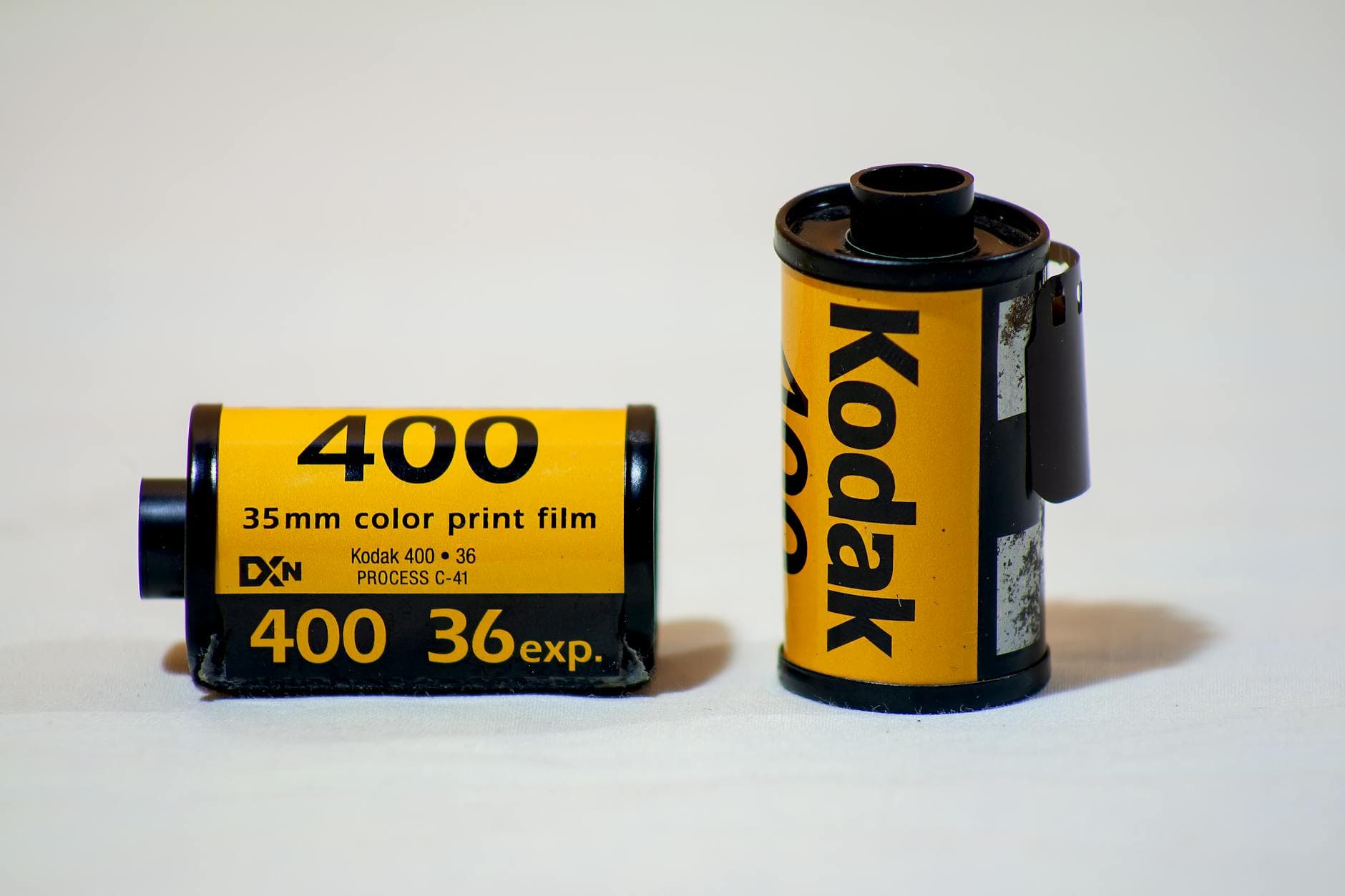
Behind that shift sat a multi-million-pound investment announced in July 2024. Harman said the package included two new converting machines, the first produced since before 2000, and would more than double the number of film cassettes it can produce each year. For a market that has spent years worrying about dead emulsions, shrinking options and brittle supply chains, that kind of capacity upgrade is the practical news inside the romance.
Greg Summers, Harman’s managing director, has said film photography remains a passion for millions of people and that the company wanted to build on the market’s momentum. Harman also said sales from Phoenix would be reinvested to support a roadmap of future color films, and that customer feedback shaped Phoenix II. That is the real trust signal here: not just that Harman can make color film again, but that it is building a feedback loop, investing in machinery and treating color as a continuing business. For analog photography, that looks less like a novelty run and more like a manufacturer trying to keep the format alive.
This article was produced by Prism’s automated news system from verified source data, official records, and press releases, then run through automated quality and moderation checks before publishing. The system is built and supervised by the people who set the standards it runs under. Read our full AI policy.
Did this article answer your question?