Hobbyists Embrace 3D-Printed Panoramic Film Cameras From Infidex to Brancopan
Infidex 176 V and other open-source 3D‑printable panoramic cameras are putting 72 x 24 mm XPan-style frames and sub-$300 DIY builds into hobbyists’ hands.
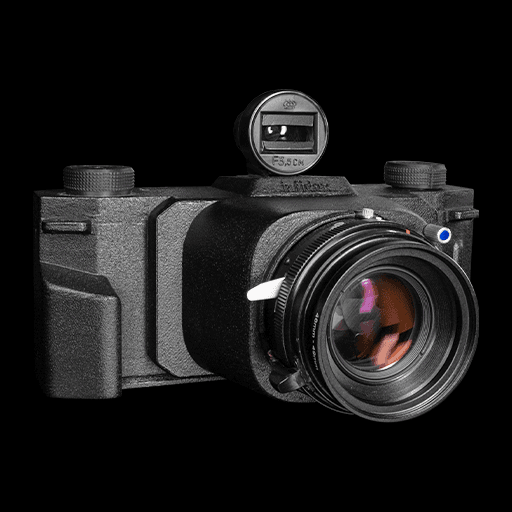
Hobbyist photographers are building and shooting with 3D‑printed panoramic film cameras that replicate XPan-style aspect ratios while cutting cost and raising new practical tradeoffs. Photographer Jace LeRoy, who posts as analog_astronaut, showed an Infidex 176 V he built and said, "I love panoramic photography. There is just something special about a super-wide aspect ratio that flexes my creative muscles. I’m far from the only one. Photographer Jace LeRoy, who goes by analog_astronaut on social media, has also been bitten by the panorama bug. He recently showed off a camera he built, the Infidex 176, which uses 35mm film to capture 72 x 24 millimeter frames, and it’s awesome."
The Infidex 176 V is an open-source, 3D‑printable design by Denis Aminev of Time to Waste. The model produces 72 x 24 mm frames on 135 (35mm) film and delivers 19 exposures from a standard 36‑frame roll. The V denotes a fifth revision; the design is described as lightweight, with zone focusing, interchangeable lenses, built-in dovetail slots for tripod mounting, a carefully designed frame counter, a winding shaft and a film pressure plate, features hobbyists point to as making a practical, low-cost XPan-style workflow possible.
Other community projects aim lower on price or trade toward medium format. Cameradactyl’s Brancopan design has been popularized in a home-build walkthrough by Crafted By JZ, which lists required parts as a 3D printer, about two rolls of 1 kg filament, paint if desired, a Mamiya Press 75 mm lens used in the demo, an optional viewfinder and a mechanical shutter release cable for about $5. The how-to clip drew wide attention with 65,723 views and 1,601 likes, and its build claim is blunt: assemble a Brancopan for less than $300 as a rival to a four‑thousand dollar Hasselblad XPan.
For makers chasing sturdiness and medium-format negatives, Beerman’s BeerPAN mixes 3D‑printed nylon panels with machined metal internals. BeerPAN uses metal gears for the film advance and lens mount, a leaf shutter offering bulb up to 1/500 of a second, and mounts designed for Bronica ETR lenses, the Bronica Zenzanon 75 mm f/2.8 or 40 mm f/4 are cited as compatible choices. BeerPAN is offered as a base 3D‑printed nylon model or a premium version with anodized aluminum top and bottom plates, and it targets users who want a tactile, durable shooting experience without buying rare vintage panoramic bodies.
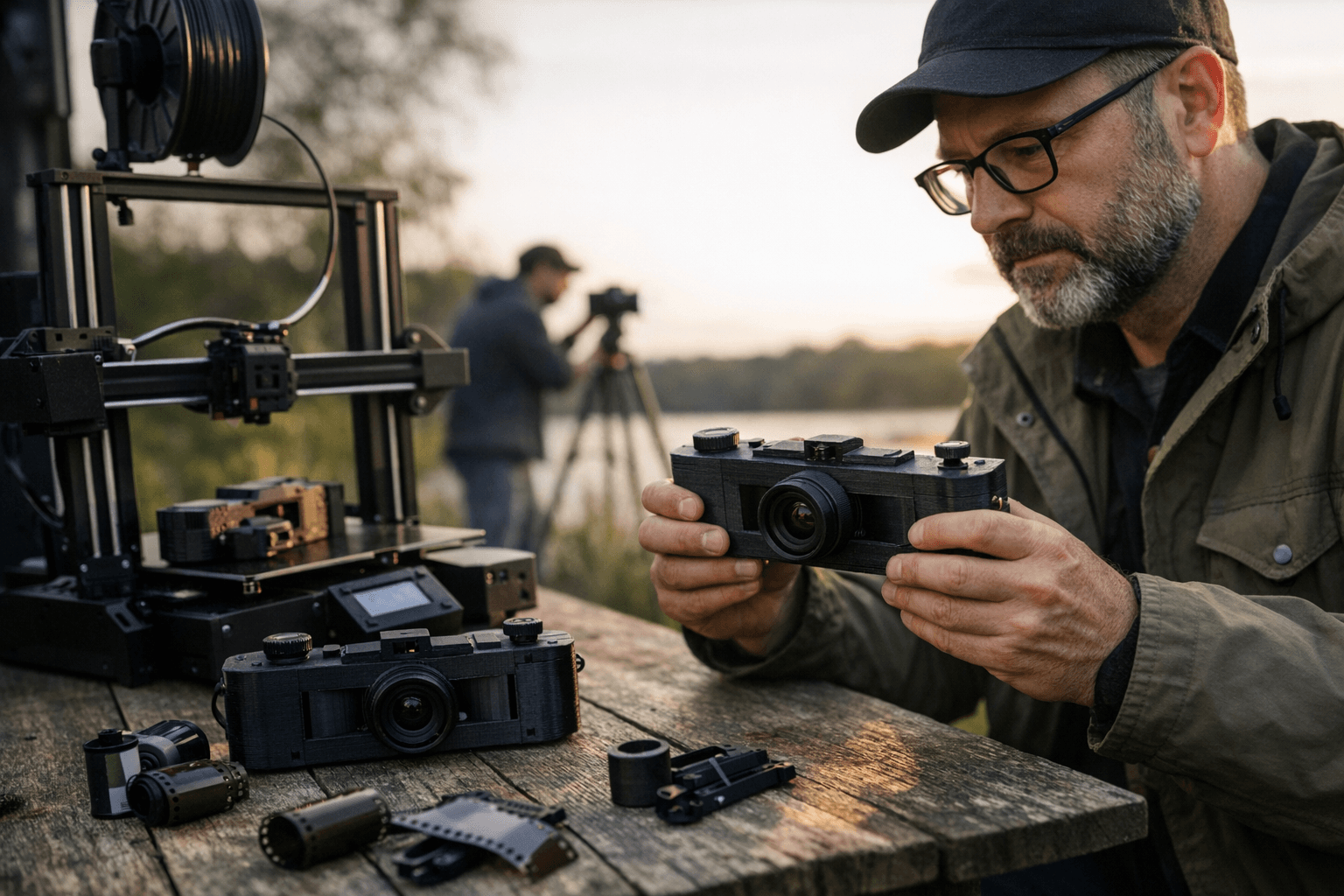
Medium‑format hobbyists continue to push the envelope. Daniel Maurer, a 30‑year‑old audio engineer who posts as @rimmytimfpv, printed a fully functioning 6x17 panoramic camera from an open‑source design. He said, "When I discovered that some people are 3D printing 6x17 cameras, I turned all my attention and research towards figuring out how to do that. I shopped for a lot of options that might have taken less effort, some involving the designer printing the parts for me, but I was in full cost savings mode and wanted to print something myself." Maurer added that close focus remains a challenge and that "for portraits (usually done as a vertical pano) and other work, I really want to get a functional darkslide to allow me to use the ground glass between every frame."
The practical choices are clear: 35mm projects such as Infidex, Brancopan and Panomicron offer XPan-format frames with cheaper processing and easier lab support, while 120/6x17 builds deliver larger negatives at higher processing and scanning cost and often require custom labs. With designs from Denis Aminev, Cameradactyl, Oscar and Beerman and visible builds by LeRoy and Maurer, the open design ecosystem is lowering barriers and prompting rapid iteration across both 35mm and medium formats. Expect more refinements to shutters, mounts and darkslides as the community works through the tradeoffs between cost, durability and image scale.
Know something we missed? Have a correction or additional information?
Submit a Tip

