Inside Lexar’s factories, how the brand tests memory cards for photographers
Lexar’s factory tour shows what matters most when a card holds irreplaceable files: testing discipline, supply-chain control, and real-world ruggedness, not just headline speed.
A memory card is only as good as the process behind it, and that is the point Lexar’s factory visit drives home. When the only copy of a shoot is sitting on a card in your camera bag, the questions that matter are not flashy specs alone, but how the card was built, tested, and protected from bad batches, rough travel, and corner-cutting.
What photographers should ask before trusting a card
The useful lesson from Lexar’s facilities is that storage buying decisions should start with reliability, not marketing. A fast read speed is nice, but it does not tell you how a card behaves after heat, cold, vibration, drops, or long-term use across different bodies and recorders. That is why the strongest evidence in Lexar’s story comes from process control, testing discipline, and quality assurance across the supply chain.
If you are comparing Lexar against SanDisk, ProGrade, and other storage brands, the real checklist looks like this:
- Where is the product tested, and how broad is the device coverage?
- Does the brand show a clear quality-control pipeline from wafer to finished card?
- Are ruggedness claims backed by specific testing, not vague “pro-grade” language?
- Is the brand sold through a wide, established channel network that reduces the odds of sketchy stock?
- Do the top-end cards carry the performance and video certifications that match your workflow?
That is the lens that makes the factory visit useful. It turns memory cards from anonymous accessories into a trust decision, which is exactly how photographers use them in the field.
Zhongshan: where durability gets stress-tested
The Zhongshan Storage Industrial Park is where Lexar’s testing culture becomes visible. Longsys says the first phase of the park was completed and officially put into use on April 27, 2018, and the second phase topped out in 2023, expanding high-end storage testing capacity. Longsys also says the park includes product R&D, testing, cultural displays, and living space for employees, which makes it more than a simple production site.
One of the most unusual details is the memory history museum, which Longsys says is the world’s first and was built and officially opened in the park. That kind of display is not just branding theater. It signals that the company wants the story of memory to be part of the manufacturing culture, not something hidden behind the factory wall.
For photographers, the most important part is the testing gear. PetaPixel’s tour saw machines used to stress-test CFexpress cards, SD cards, and SSDs in extreme cold and extreme heat, along with drop testing. Those are the kinds of conditions that matter when cards ride in a backpack through airport security, bounce around on a job site, or get swapped at a fast-moving wedding, sports, or commercial shoot.
Suzhou: where the cards begin as wafers and wire
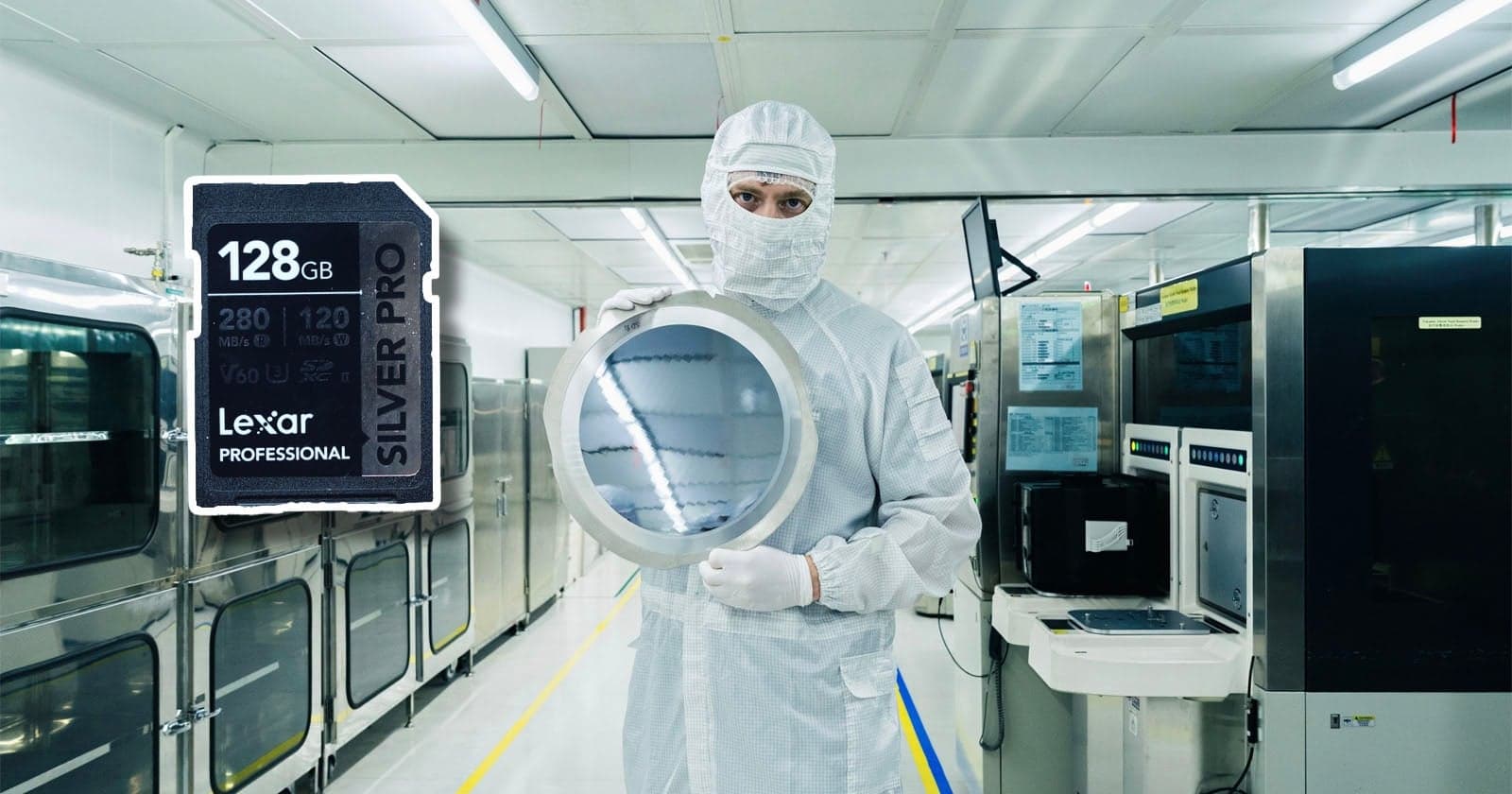
The Suzhou side of the story pulls back another layer. Instead of polished product boxes and retail language, the focus there is on the R&D process, with microscopes, gold wiring, and silicon wafers being turned into individual memory dies. That matters because reliability starts before the card ever gets a label, a speed rating, or a place in a camera slot.
This is where photographers should think beyond the advertised number on the package. A card can promise a fast burst buffer or a strong sustained write rate, but if the manufacturing process is sloppy, the headline spec is less useful than it looks. What the Suzhou visit reinforces is that the path from wafer to finished product is where consistency is won or lost.
That wider supply-chain picture also helps explain why storage pricing can move in ways users do not always expect. The AI boom is increasing demand for silicon wafers, and that kind of pressure can ripple through the storage market. For photographers, that means the cost of dependable media is tied to forces far outside the camera aisle.
How Lexar wants the market to read its reputation
Lexar’s own corporate history gives the brand a very specific identity. It was founded in California in 1996, and Longsys acquired the Lexar brand from Micron in 2017. Longsys also established Lexar International in San Jose, California, to market Lexar-branded products in the United States and Canada, which keeps the brand anchored to its original U.S. base even after the ownership change.
The scale matters too. Lexar says it now operates more than 100,000 sales channels across six continents and serves over 100 million users in more than 70 countries. In practical terms, that kind of footprint is part of the trust equation because photographers are rarely buying storage from one isolated source. They are buying into a distribution network, a support structure, and a brand that has to stay visible to stay relevant.
Lexar says its products undergo extensive testing in Lexar Quality Labs with thousands of cameras and digital devices, and its product materials lean hard on ruggedness language. Temperature resistance, vibration resistance, dust and water resistance, shock resistance, bend resistance, and drop resistance all speak directly to the realities of location work. The flagship Professional DIAMOND CFexpress 4.0 Type B card is advertised in official materials with up to 3700MB/s read speeds and VPG400 support, which puts it squarely in the high-end video and stills workflow category.
That mix of factory discipline, broad device testing, and pro-oriented specs is what separates a serious card brand from a generic one. The takeaway is not that speed does not matter. It is that speed only becomes meaningful once the card has already proven it can survive the work, the travel, and the mistakes that come with real shooting days.
When you look back at the question that opened the factory tour, the answer is clearer than any spec sheet. The card you trust with your only copy of a shoot is the one that has already been proven in the cold, the heat, the drop test, and the manufacturing line long before it ever reaches your camera bag.
This article was produced by Prism’s automated news system from verified source data, official records, and press releases, then run through automated quality and moderation checks before publishing. The system is built and supervised by the people who set the standards it runs under. Read our full AI policy.
Know something we missed? Have a correction or additional information?
Submit a Tip