AI-generated beauty spreads raise authenticity concerns in magazines
An Austin photographer found Beauty Authority crediting AI prompts, not photographers, and the glossy spread suddenly looked like a trust test. Her Instagram reel drew nearly 150,000 likes.
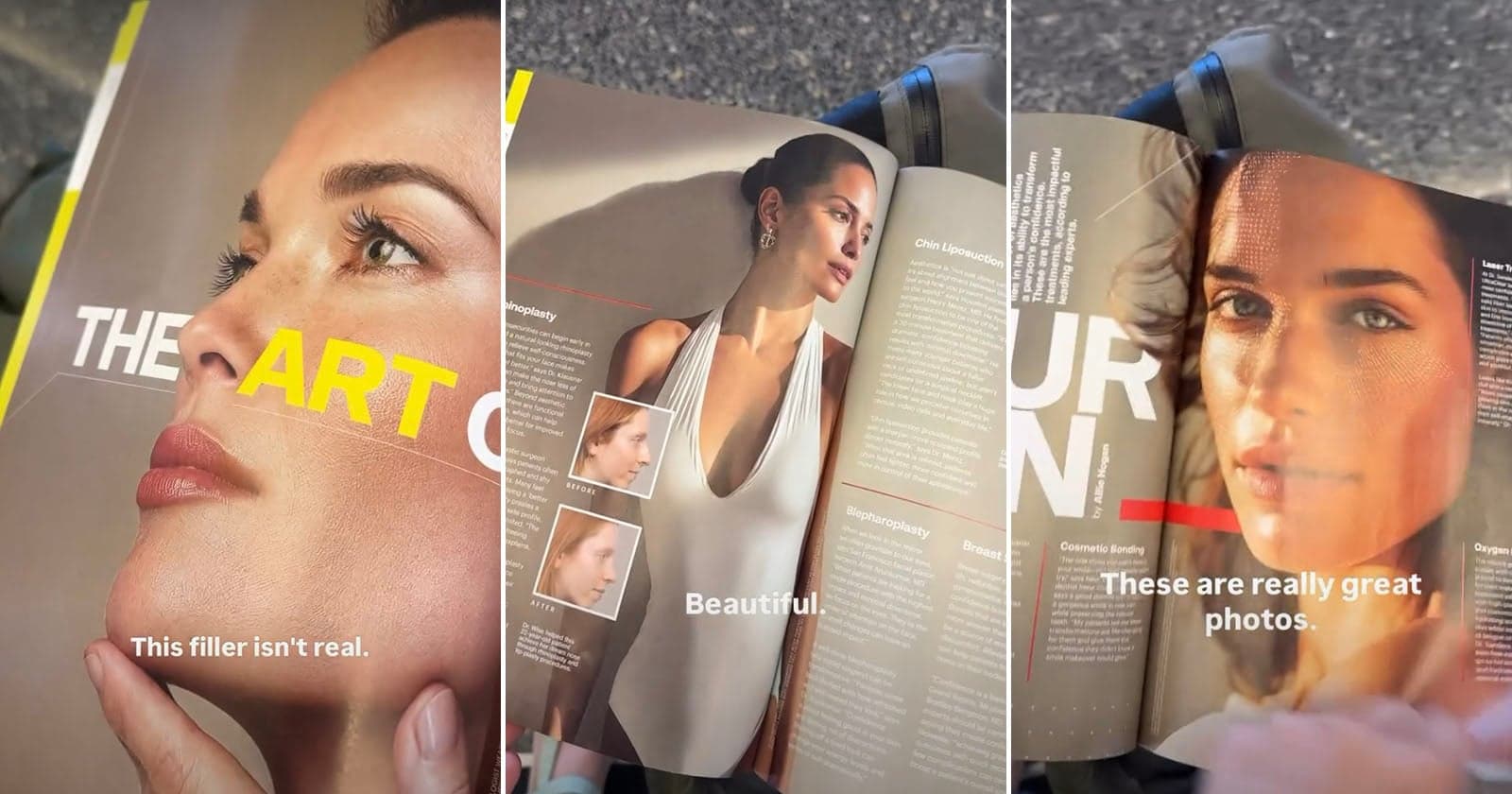
A beauty magazine can still look convincing in an airport newsstand rack, even when the faces inside were never in front of a lens. That is what hit Cassandra Klepac, an Austin-based photographer and DP, when she opened Beauty Authority and found a spread that read like a normal editorial shoot until she checked the credits.
The pictures accompanied coverage about cosmetic procedures and their impact on real women, which made the reveal land harder. Instead of photographers, the images were credited to AI prompts used to generate the visuals. For a working shooter, that is not a small production choice. It goes straight to whether a magazine selling beauty coverage is still showing readers a real set, real makeup, real skin and real people, or simply borrowing the language of a photo spread to package synthetic faces.
Klepac’s reaction moved quickly beyond one magazine page. Her Instagram reel, which pushed back on the use of AI imagery in that context, drew nearly 150,000 likes. That response matters because the discomfort is not just about job loss or the shrinking number of assignments that go to photographers, models and crews. It is also about credibility. If a publication is writing about women’s bodies, self-image and cosmetic work, then the pictures are part of the argument, not decoration. When those pictures are generated, readers are left to guess how much of the visual story is editorial and how much is simulation.
The industry is not pretending the issue does not exist. In April 2024, Dove said it would never use AI to create or distort women’s images in advertising as part of the 20th anniversary of its Campaign for Real Beauty. The company also said its Real Beauty work included a survey of 33,000 people across 20 countries and introduced the Real Beauty Prompt Playbook to help creators make more representative AI images. NewBeauty, meanwhile, says it features both real people and patients alongside AI-generated images and that it labels AI content clearly in captions.
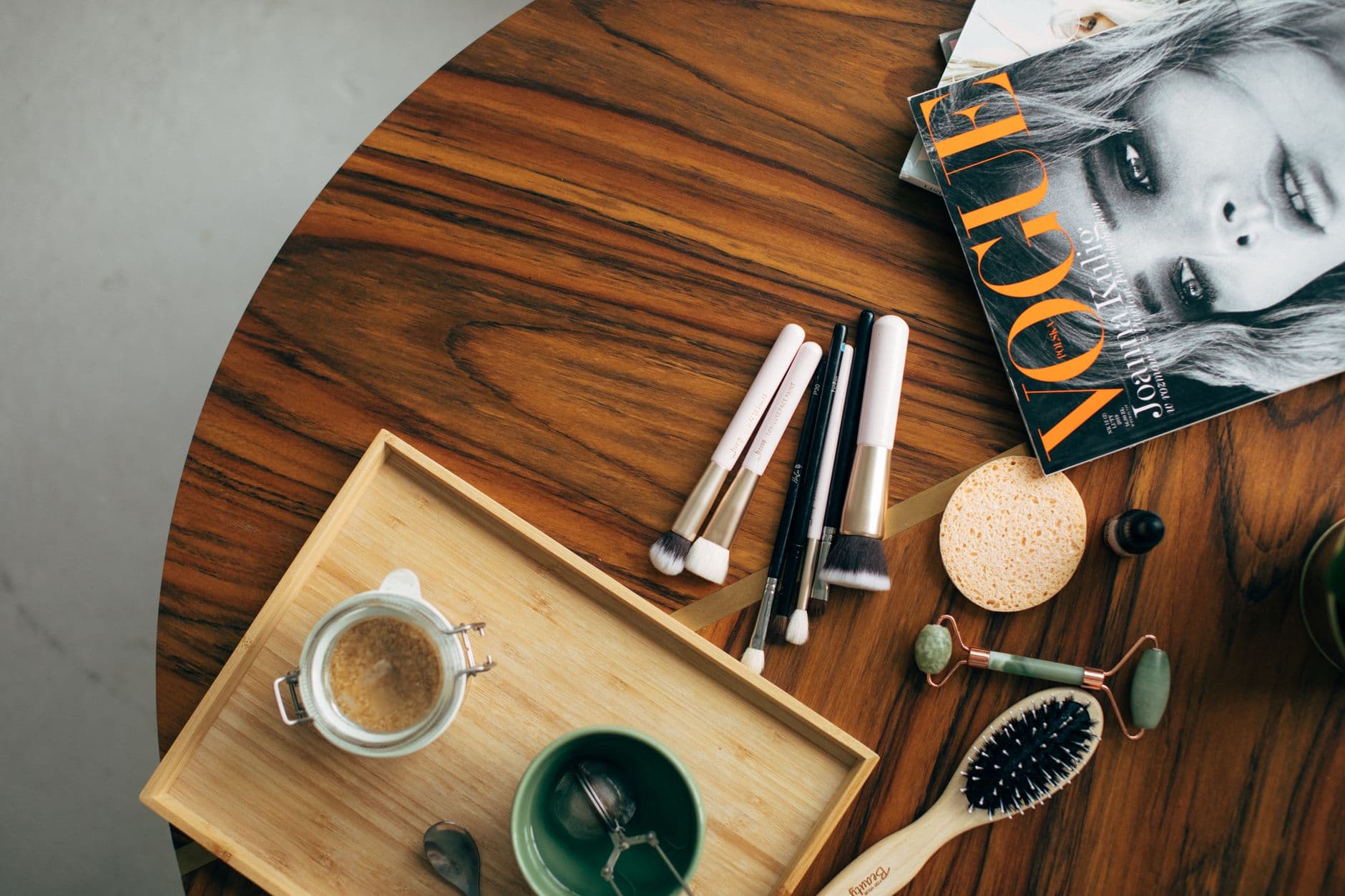
That is the practical question now hanging over magazines, contests and portfolios: if an image is generated, disclosed and still presented inside a beauty spread, what exactly counts as beauty photography? Klepac’s airport shock makes the old assumption impossible to ignore. A glossy page can still look like a shoot, but readers are learning to ask whether a camera was involved at all.
This article was produced by Prism’s automated news system from verified source data, official records, and press releases, then run through automated quality and moderation checks before publishing. The system is built and supervised by the people who set the standards it runs under. Read our full AI policy.
Know something we missed? Have a correction or additional information?
Submit a Tip