Mac Stone’s American Amazon reveals the Southeast’s vanishing wilds
Mac Stone climbed cypress giants and rappelled into dark caverns to photograph a disappearing Southeast, turning access into evidence before the habitat is gone.
The terrain is the story
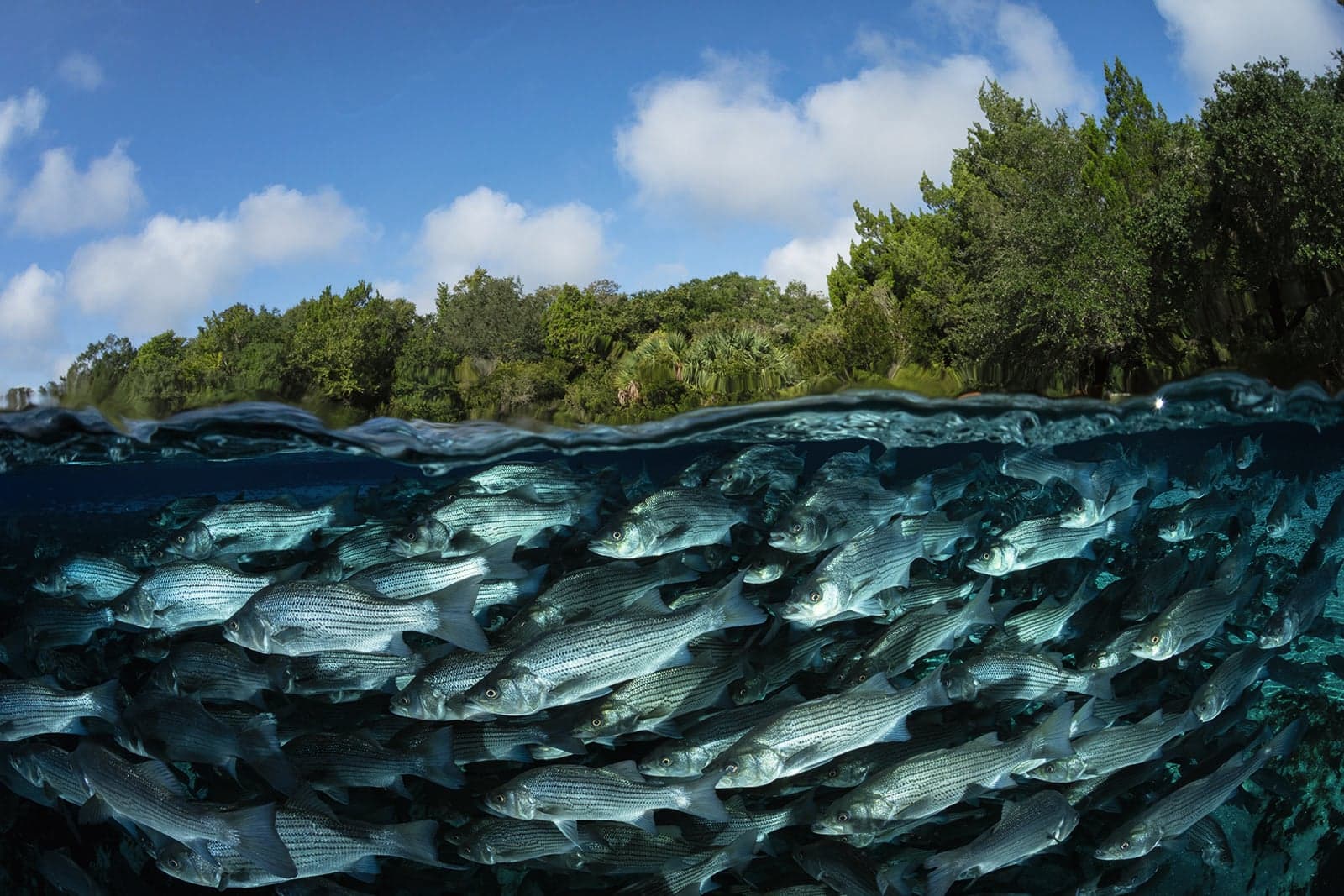
Mac Stone did not make *American Amazon* from the easy edge of the swamp. He and his collaborators scaled 2,000-year-old cypress trees with fixed ropes, rappelled 160 feet into lightless caverns, and worked in wetlands that are as punishing as they are beautiful. That kind of access is the point of the project: if the Southeast is disappearing, Stone’s camera has to go where the change is happening, before the wilds vanish out of view.
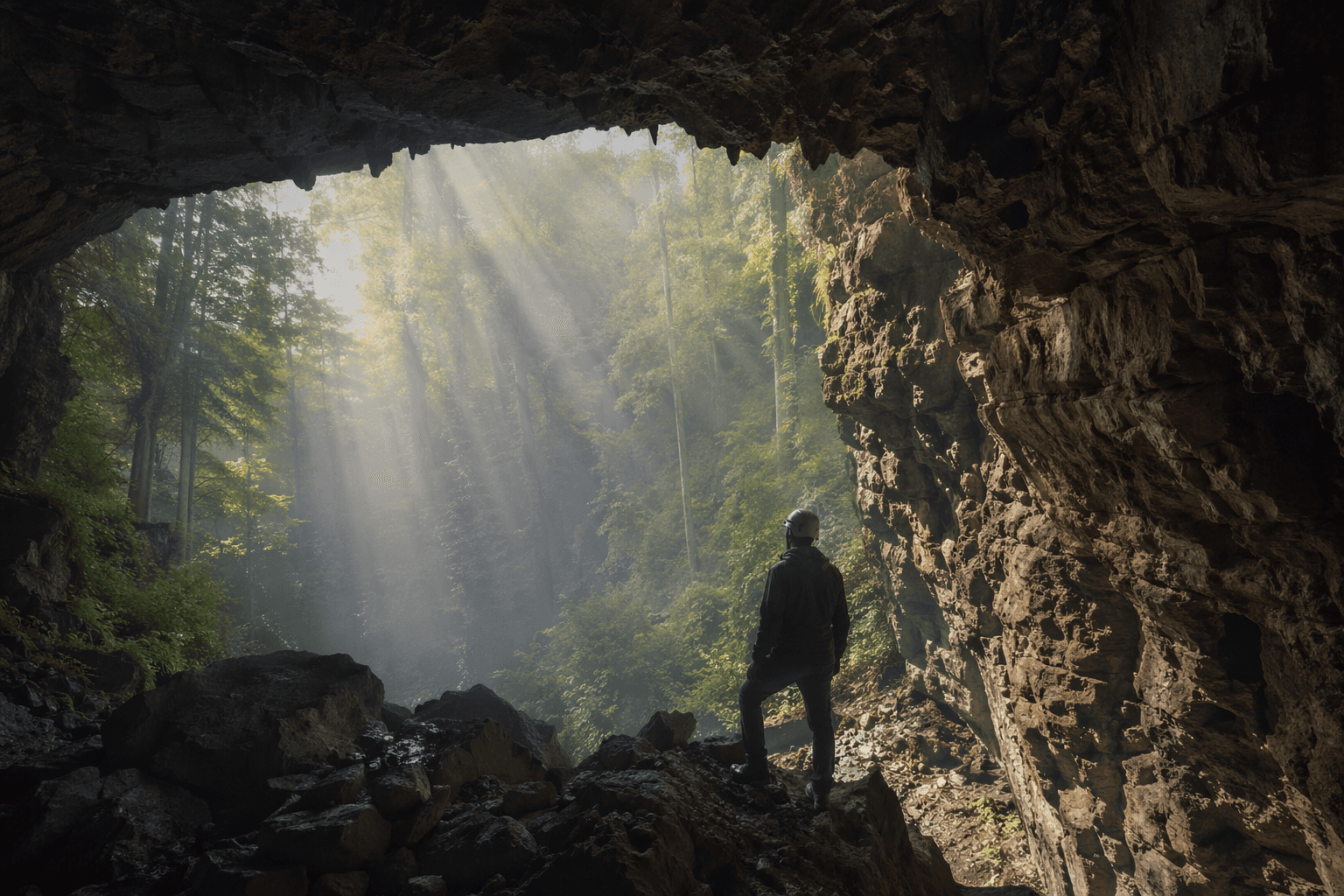
The result is not just a book of striking landscapes. It is a visual record built from persistence, field craft, and an eye for the ecological stakes behind the image. Stone’s work turns hard-to-reach places into legible stories, which is exactly what conservation photography does when it is at its best.
Why the Southeast reads like an American Amazon
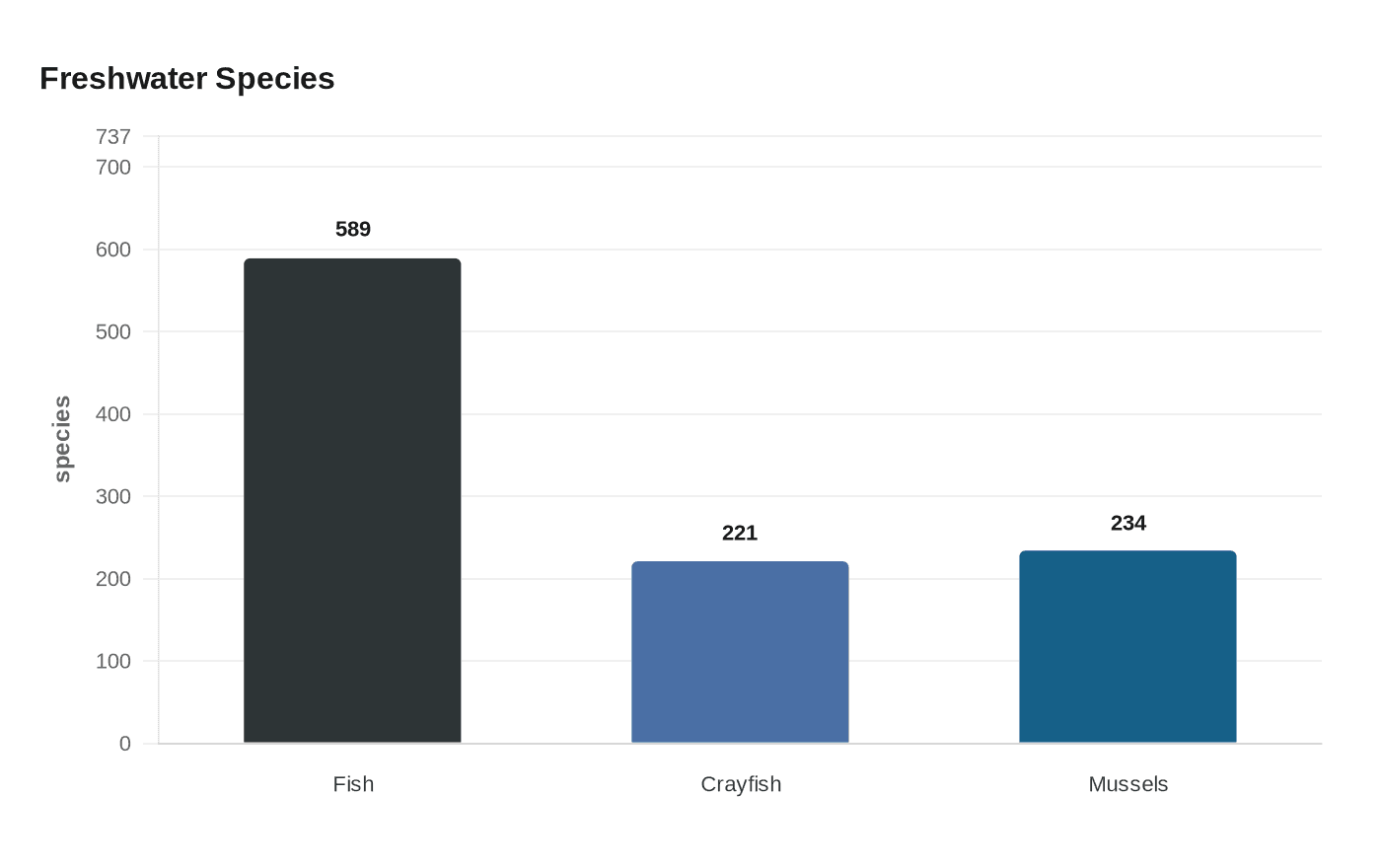
The southeastern United States earns the comparison because of sheer biological density. The U.S. Geological Survey describes the region as a global hotspot for freshwater biodiversity, with around 589 fish species, about 221 crayfish species, and about 234 freshwater mussel species. The Southeastern Freshwater Biodiversity Conservation Strategy goes even further, saying the region supports almost two-thirds of the nation’s fish species, more than 90% of U.S. mussel species, and nearly half of the world’s crayfish species.
That richness is also what makes the work urgent. A 2018 study in *Biological Conservation* identified the southeastern United States as a global hotspot for aquatic biodiversity, while also noting that it has relatively little land under protection. In photography terms, that means the scenes Stone is chasing are not just photogenic. They are under pressure, under-documented, and too easy to lose between one season and the next.
The challenge for photographers is access, not just aesthetics
Stone’s background explains why this project has the authority it does. He was raised in North Central Florida, where springs and swamps shaped his early interest in conservation photography. He later became a contributing photographer for National Geographic Magazine and a senior fellow with the International League of Conservation Photographers, and he also has a field biology background that shows up in the way his images function as evidence.
That matters because *American Amazon* is not chasing scenery for scenery’s sake. It is built to show how living systems behave when they are stressed, fragmented, or failing. For photographers, the lesson is straightforward: the strongest conservation images often come from a blend of science, patience, and physical willingness, not from a quick hit at an overlook.
What Stone is documenting before it disappears
Stone’s photographs focus on a region that is biologically rich yet underappreciated, and he frames that richness through loss as much as abundance. His work includes the eerie stands of “ghost forests,” where rising saltwater and saltwater intrusion into coastal wetlands have killed once-living trees. Climate reporting has tied those dead stands to sea-level rise and storm surge, and a 2025 *Nature* paper mapped more than 10 million dead trees across the U.S. Atlantic region, showing that the phenomenon is far from isolated.
He also documents the impact of invasive Burmese pythons in the Everglades. National Park Service materials say the snakes are firmly established in the Greater Everglades Ecosystem and are difficult to remove once they take hold, while the U.S. Fish and Wildlife Service says agencies use radio-telemetry in “scout snakes” to locate and remove other pythons during breeding aggregations. In the field, that translates into a conservation problem that is both visible and hidden: native mammal populations can vanish in places where the snakes spread, but the loss is often gradual enough to be missed without a sustained photographic record.
The book is part of a wider storytelling machine
*American Amazon* is also tied to a four-year cinematic collaboration with director Eric Bendick and Thomas Winston. The production partners include PBS Nature, Terra Mater Factual Studios, and Grizzly Creek Films, and the project has already produced both an IMAX feature and a PBS Nature mini-series.
That broader rollout matters for photographers because it shows where long-form nature work is headed. A single still image can anchor a chapter, a gallery, or a magazine spread, but a project like this now has to travel across print, cinema, and public television if it wants to reach beyond the already-converted. Stone’s photography is doing that heavy lifting, supplying both the intimacy of stills and the documentary backbone for a larger environmental campaign.
What conservation photographers can take from Stone’s approach
Stone’s method offers a practical template for anyone trying to photograph vanishing ecosystems without flattening them into pretty backdrops.
- Learn the ecology first. Stone’s field-biology grounding helps his images read as documentation, not just atmosphere.
- Plan for hard access. Fixed ropes, long rappels, and swamp travel are part of the assignment when the subject is remote and fragile.
- Show the consequence, not just the place. Ghost forests and invasive pythons give the viewer a cause-and-effect story, not just a scene.
- Think across platforms. A book, an IMAX feature, and a PBS Nature mini-series reach different audiences, which is exactly what conservation stories need.
- Build a long-term record. Stone’s earlier *Everglades: America’s Wetland* work shows how one landscape can anchor a career when the changes are tracked over years, not days.
That long view is what gives *American Amazon* its force. Stone is not arriving after the loss is complete. He is documenting the Southeast while it is still possible to climb into the cypress, drop into the cave, and photograph the evidence before the wilds go silent.
This article was produced by Prism’s automated news system from verified source data, official records, and press releases, then run through automated quality and moderation checks before publishing. The system is built and supervised by the people who set the standards it runs under. Read our full AI policy.
Know something we missed? Have a correction or additional information?
Submit a Tip