Samsung’s best camera tech is still showing up in other phones
Samsung still makes some of the most important sensors in mobile photography, but its own Galaxy cameras keep getting only careful, incremental upgrades.
Samsung’s camera paradox
Samsung is in the odd position of helping define modern phone photography while rarely looking like the most daring phone camera maker in its own lineup. The company’s sensor business keeps pushing the hardware forward, but the Galaxy side of the house often feels content to refine what already works. For photographers, that gap matters more than a spec sheet might suggest.
The same sensor family keeps carrying Galaxy
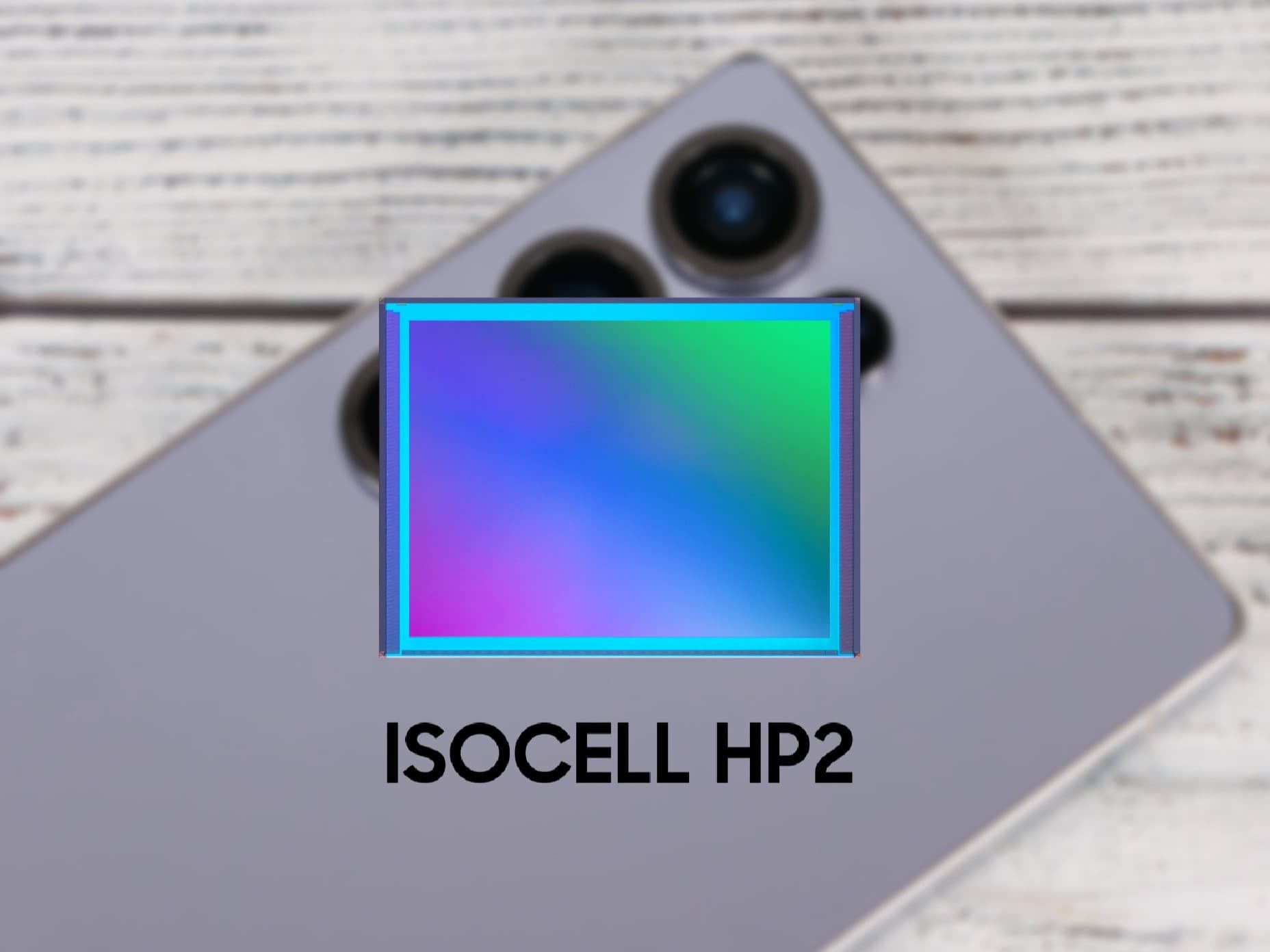
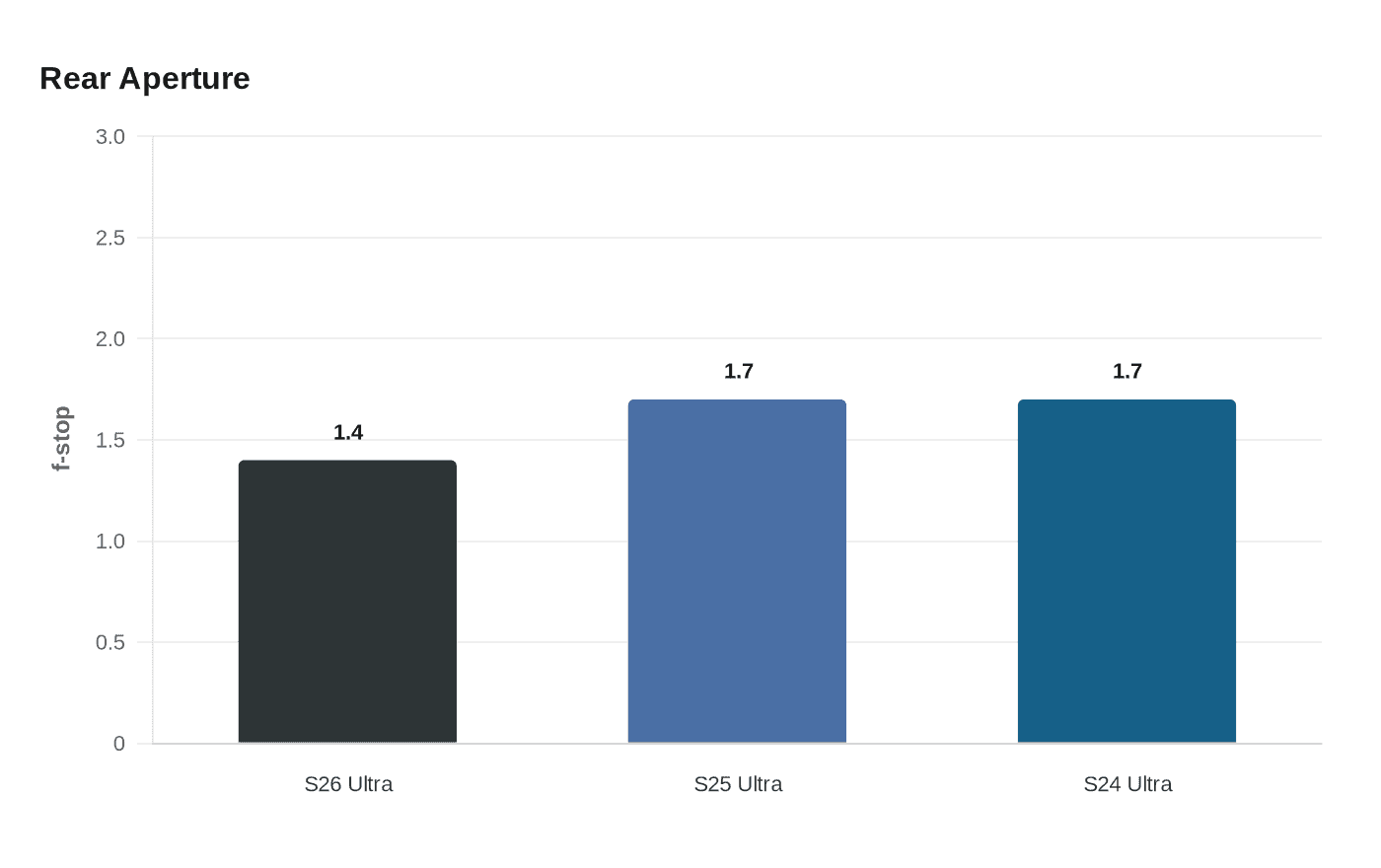
The clearest example is the Galaxy S23 Ultra and the Galaxy S26 Ultra, which both sit around Samsung’s ISOCELL HP2 main sensor. Samsung tied the HP2 to the Galaxy S23 Ultra when it announced the sensor in January 2023 and the phone in February 2023, and the HP2 remains Samsung’s 200MP flagship sensor. On paper, the newer Galaxy S26 Ultra is not a radical rethink of that foundation. It keeps the 200MP wide camera and adds a wider f/1.4 aperture on the rear main camera, rather than a fresh sensor architecture.
Samsung’s own product pages make that feel even more incremental. The U.S. Galaxy S26 Ultra page highlights a 200MP wide camera, a 50MP telephoto with 5x optical zoom and 10x optical-quality zoom, plus a Nightography Video claim tied to the wider aperture and brighter low-light capture. Samsung’s India and Philippines pages say the rear wide camera opens to f/1.4, compared with f/1.7 on the Galaxy S25 Ultra and S24 Ultra. The phone is also 0.3 mm thinner than its predecessor and weighs 214 grams, which underscores how much of the change is about refinement rather than reinvention.
Under the hood, the HP2 itself is still a serious piece of silicon. Samsung says it can merge up to 16 pixels into one, operate as a 1.2µm or 2.4µm unit pixel, and use Super QPD autofocus. That is the kind of sensor tech that should matter to anyone who shoots phone-first, because it affects low-light capture, HDR handling, and how confidently the camera locks focus when the light drops.
Samsung can build the bold parts, just not always for itself
The irony is not that Samsung lacks advanced imaging technology. It is that some of its most adventurous sensor work looks more ambitious when aimed at the wider market than when folded back into Galaxy phones. The best example is the ISOCELL HP9, which Samsung announced on June 27, 2024 as its first 200MP mobile image sensor for telephoto cameras.
Samsung says the HP9 improves signal-to-noise ratio by 12 percent versus its predecessor and autofocus performance by 10 percent. It also uses pixel binning and a high-refractive microlens design to improve low-light performance and focusing, and Samsung says the sensor supports 8K at 30fps and 4K at 120fps video capture. That is exactly the sort of hardware move that can change how a camera phone feels in use, especially in zoom work where many phones still fall apart.
This is where the market context becomes impossible to ignore. TechInsights’ Q2 2025 smartphone image-sensor summary says Sony led the market with 51 percent share. Its Q2 2024 summary says Sony was followed by Samsung System LSI and OMNIVISION, and its 2024 coverage says the market grew by more than 10 percent year over year, with demand for high-resolution CIS as a major driver. Samsung remains one of the biggest players in the category, second only to Sony in market share, which gives it enormous influence over where the whole camera-phone segment goes next.
Why Samsung sounds cautious while rivals keep swinging
Samsung’s own messaging helps explain the tension. The company says it does not view leadership as a race to introduce a new sensor every year. Instead, it argues that keeping the HP2 in place gives it a stable base to refine daylight, low-light, zoom, and video performance across different shooting situations. Samsung’s broader sensor messaging is similar: it frames innovation as a balancing act between resolution, speed, and power consumption rather than a yearly leap for its own sake.
That posture makes sense if you are planning a mass-market flagship and trying to protect battery life, reliability, and product consistency. It also shows why Samsung, Apple, and Google can look cautious at the same time Chinese brands are pushing harder with bigger sensors, more aggressive telephoto ambitions, and bolder hardware choices. PetaPixel’s argument is not that Samsung has stopped innovating. It is that smartphone camera progress has slowed among the established giants, while the risk-taking is happening elsewhere.
Samsung’s own 2024 HP9 announcement points in that same direction, even if it sounds more optimistic. The company said the industry is moving toward bridging the gap between main and sub cameras so the imaging experience feels consistent across all angles. Jesuk Lee framed consistency across camera positions as the new direction for the industry. That is a useful goal, but it is also a conservative one. It favors coherence and tuning over dramatic hardware divergence.
What this means when you are buying for image quality
If the phone in your pocket is mainly a camera, the lesson is simple: do not stop at megapixels or brand reputation. Samsung’s Galaxy S26 Ultra does bring meaningful refinements, especially the wider f/1.4 main aperture and the brighter 5x telephoto path, but the shape of the story is still incremental. The biggest leap may be happening in the parts Samsung supplies, not always in the Galaxy device you can buy.
That changes how you should read the whole category. A camera phone is no longer just about which company claims the sharpest image or the biggest number on the box. It is about who is willing to ship visible hardware risk, who is content to tune an existing platform, and who actually puts its best sensor ideas into the product line you are holding. Samsung still sits near the center of that conversation, but the most exciting evidence of its leadership is often found in the technology it sells to everyone else.
This article was produced by Prism’s automated news system from verified source data, official records, and press releases, then run through automated quality and moderation checks before publishing. The system is built and supervised by the people who set the standards it runs under. Read our full AI policy.
Know something we missed? Have a correction or additional information?
Submit a Tip