Meta's Ray-Ban Display Glasses Face EU Delays Over Battery and AI Rules
U.S. Ambassador Andrew Puzder put it bluntly: Meta's Ray-Ban Display glasses can't be sold in the EU "because the battery isn't removable." Supply constraints compound the delay.
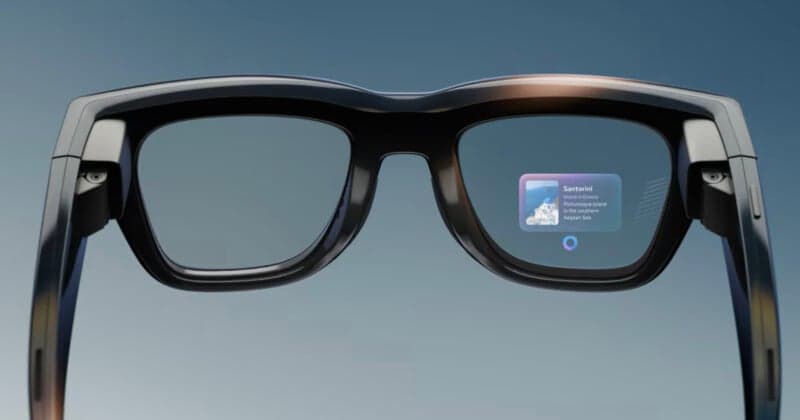
Meta Platforms' rollout of the display-equipped Ray-Ban smart glasses in the European Union has been hampered by battery and artificial intelligence regulations, on top of supply constraints. The glasses, built in partnership with EssilorLuxottica, the Franco-Italian eyewear giant that owns the Ray-Ban brand, remain available only in the U.S. for now.
The regulatory friction came into sharp public focus when Andrew Puzder, the U.S. ambassador to the European Union, put the problem in plain terms. Puzder stated that the glasses could not currently be sold in the bloc "because the battery isn't removable." Under new EU legislation, devices sold in the region will be required to include user-removable batteries by 2027. For a product as compact as smart glasses, that mandate is no minor engineering footnote. The rule presents design challenges for compact wearable devices such as smart glasses, where integrating removable battery components can reduce available space and impact performance or battery life.
Meta objects to the EU battery rule, saying it will hurt wearable devices including glasses, watches, earbuds, and pins. Meta is in discussions with EU authorities to seek an exemption for smart glasses and similar wearable technologies, a person familiar with the matter said.
Battery compliance is only half the obstacle. EU regulations will restrict some of the AI-related features in the glasses as well, and launching the product in the EU without full functionality is unappealing to Meta executives. The computer vision and AI assistant capabilities are central to how Meta markets the Ray-Ban Display as a product category distinct from earlier, camera-only smart glasses.
Supply is the third compounding factor. The product has faced limited production capacity, according to a person familiar with the matter. A Meta representative pointed to a blog post from January in which the company said the Display glasses had extremely limited inventory; at that time, Meta held off on an expansion into the UK, France, Italy, and Canada and said it would focus on filling U.S. orders. The partners have discussed doubling production capacity in 2026 to meet higher expected demand.

Meta has made wearable devices a key pillar of the company's push into AI, and earlier this year executives redirected some resources from its metaverse efforts to AI wearables instead. Meta also laid off "several hundred" people from its VR division Reality Labs as it moves away from the metaverse; at least 2,500 people have been laid off this year, almost all from the VR division.
Meta is not navigating this terrain alone. Apple has had to withhold some key software features in the EU in recent years to avoid breaking local laws; the rollout of the Apple Intelligence platform in the region was delayed by several months. Google, which is also developing smart glasses, is likely to face the same EU hurdles.
Barclays analysts expect Meta to comply with battery regulation changes over time and project the U.S. market will serve as the primary growth driver in the short term for the Ray-Ban Display glasses. Until an exemption is granted or a redesign clears the 2027 deadline, European photographers and tech-forward wearable fans will be watching from the sidelines while their American counterparts shoot first-person video with a pair of glasses that doubles as an AI assistant.
Know something we missed? Have a correction or additional information?
Submit a Tip