NASA Astronaut Captures Stunning Aurora Timelapse Over Alaska and Canada From Space
Jessica Meir's aurora timelapse from the ISS shows lights rippling over Alaska and Canada in footage already spreading fast through photography communities.
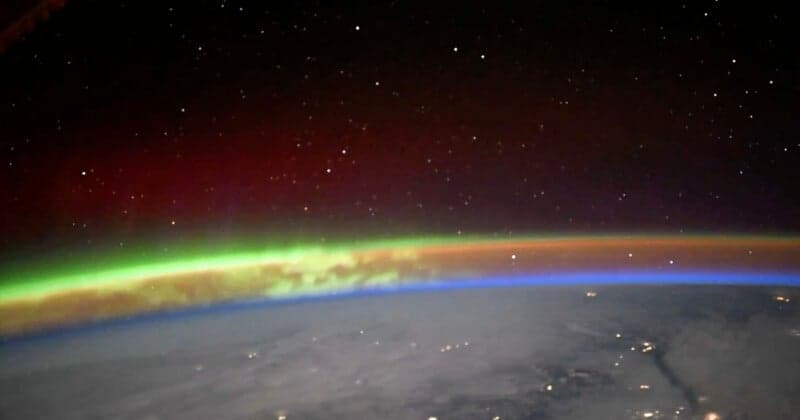
Few subjects captivate astrophotographers quite like the aurora, and NASA astronaut Jessica Meir just offered a perspective no ground-based shooter can match. Aboard the International Space Station as part of Expedition 74/75, Meir released a timelapse video capturing aurora lights rolling over Alaska and Canada, shared around March 9–10, 2026, and it has been spreading rapidly across photography forums and social feeds ever since.
The footage puts into sharp relief what makes orbital imaging so fundamentally different from even the most remote earthbound shoot. Photographers who haul gear to Fairbanks or the Yukon in February, chasing clear skies and magnetic activity forecasts, are working from underneath the aurora. Meir is working from above it, watching the light curtains ripple across entire regional geographies in a single frame. The ISS orbits at roughly 400 kilometers above Earth, giving Meir a vantage point that compresses vast swaths of Alaska and Canada into a single composition.
Timelapse as a technique has long been the astrophotographer's tool of choice for rendering aurora movement legible on camera. What makes Meir's version particularly striking is the scale: where a terrestrial timelapse might frame a ribbon of green against a treeline, the ISS perspective reveals the structural sweep of auroral bands across continental distances. The compression of time paired with that altitude creates something closer to a weather map coming alive than the romantic curtain-and-starfield imagery most photographers chase.

Meir is a veteran of long-duration spaceflight, having previously spent 205 days aboard the ISS during Expedition 61/62. That experience with orbital photography shows in the deliberateness of the timelapse, which requires planning around the station's orbital path, managing low-light exposure settings in a moving platform, and timing the capture to intersect with geomagnetic activity below.
The photography community's enthusiasm for the video reflects a broader ongoing fascination with how imaging technology, whether in the hands of a working astronaut or a hobbyist with a tracker mount in a dark-sky park, continues to find new angles on a phenomenon humans have watched for millennia. Meir's timelapse is a reminder that the aurora, for all the gear and travel and planning photographers invest in capturing it, still holds surprises when the altitude changes by 400 kilometers.
This article was produced by Prism’s automated news system from verified source data, official records, and press releases, then run through automated quality and moderation checks before publishing. The system is built and supervised by the people who set the standards it runs under. Read our full AI policy.
Did this article answer your question?