Nick Carver and the Art of Photographing What America Forgets
His work matters not because it is shot on film, but because it gives real weight to places most people pass without seeing In photography, it is easy to chase the obvious image.
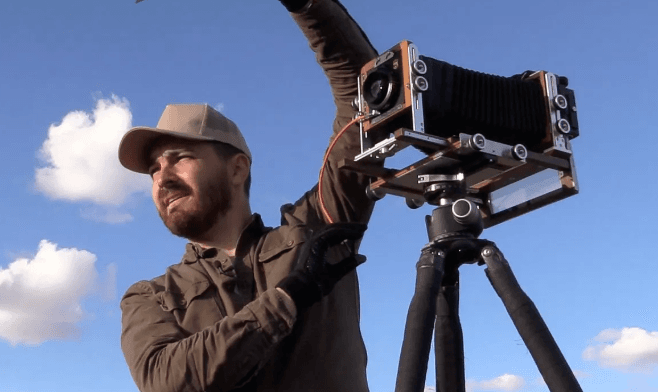
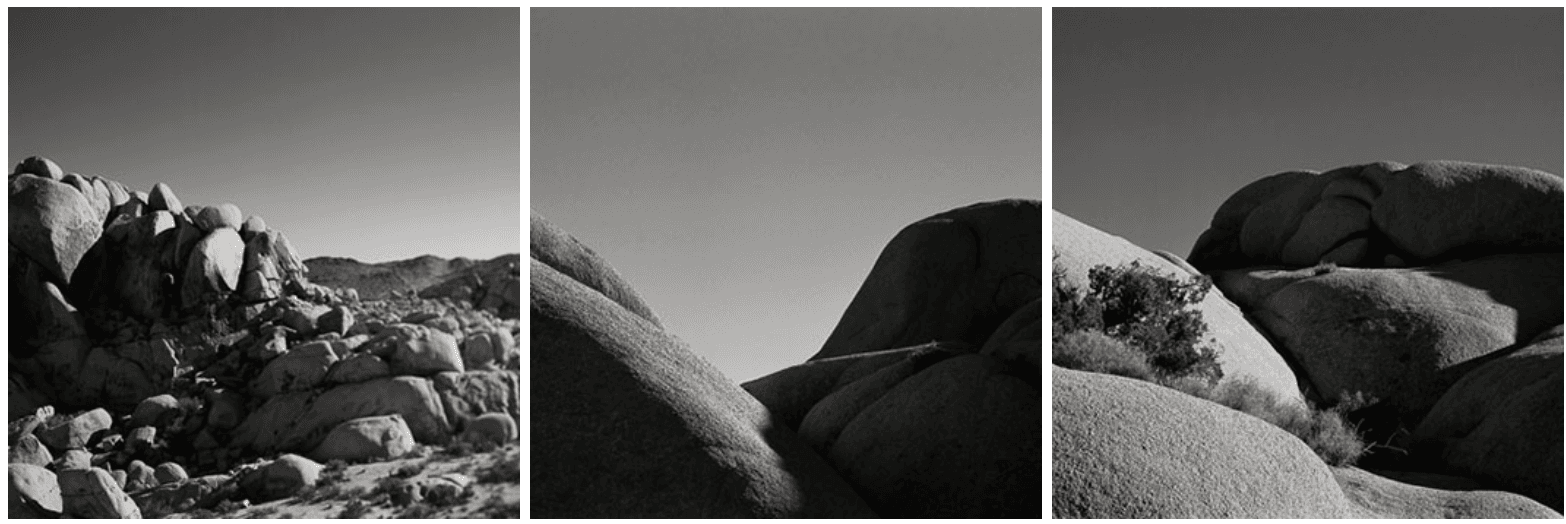
In photography, it is easy to chase the obvious image. A dramatic mountain, a perfect sunset, a face with instant emotion. Nick Carver built a different kind of body of work. He is a working photographer and instructor based in Orange County, California. He has worked professionally since 2006 and has been teaching since 2008. In his personal work, he often uses film in medium and large formats, then digitizes the image for finishing and printing. His portfolio returns again and again to the American Southwest, to open landscapes, and to the quieter traces of human presence inside them.
That is what makes him worth writing about. Carver does not photograph the desert as a place untouched by people. He is drawn to the meeting point between nature and what people leave behind. In one of his projects, focused on desert environments, he explored both natural forms and human remnants as part of the same story. A cactus and a decaying building can carry equal meaning. This idea gives his work depth. He is not just documenting scenery. He is looking at memory, change, and use.
There is also a useful tension in his career. His professional work focuses on architectural photography for offices, industrial spaces, retail centers, and hotels. This sharpens the way he sees structure. He understands how buildings sit in space, how lines guide attention, and how surfaces carry mood. When this discipline moves into his artistic work, the result feels precise rather than cold. His images suggest that buildings are never just background. They carry history, labor, ambition, and decline at the same time.
One of the clearest examples is his project Previously Taco Bell. At first glance, it sounds playful. The project began with former Taco Bell buildings that had become something else, a Chinese restaurant, a sandwich shop, or another local business. He later expanded the idea to include other former chain locations. But the value of the project is not the joke. It is the way it treats commercial architecture as cultural evidence. These buildings still carry the shape of what they used to be, even after the signs change. The work becomes a visual study of reinvention, where identity fades but never fully disappears.
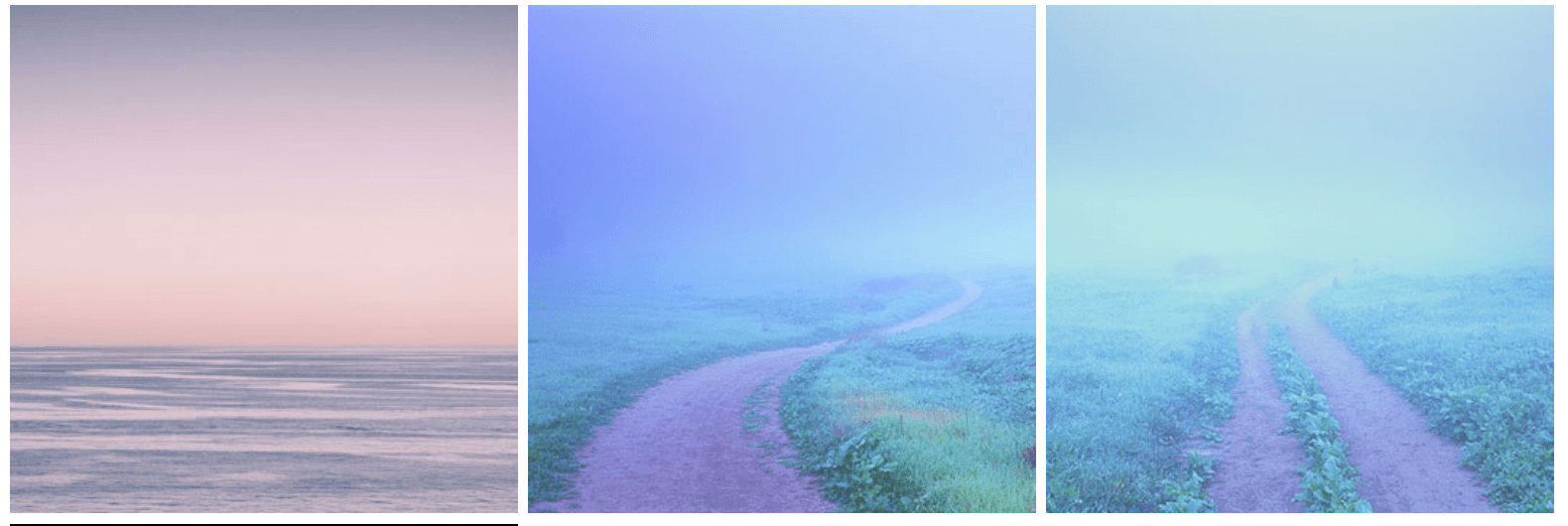
That ability to find meaning in ordinary places is a big reason his work stands out. Many photographers still separate the beautiful from the everyday. Carver does the opposite. He treats an empty room, a roadside building, a sun faded wall, or a quiet stretch of desert as worthy of attention. His series titles reflect this approach. They point to atmosphere and residue, not just subject matter.
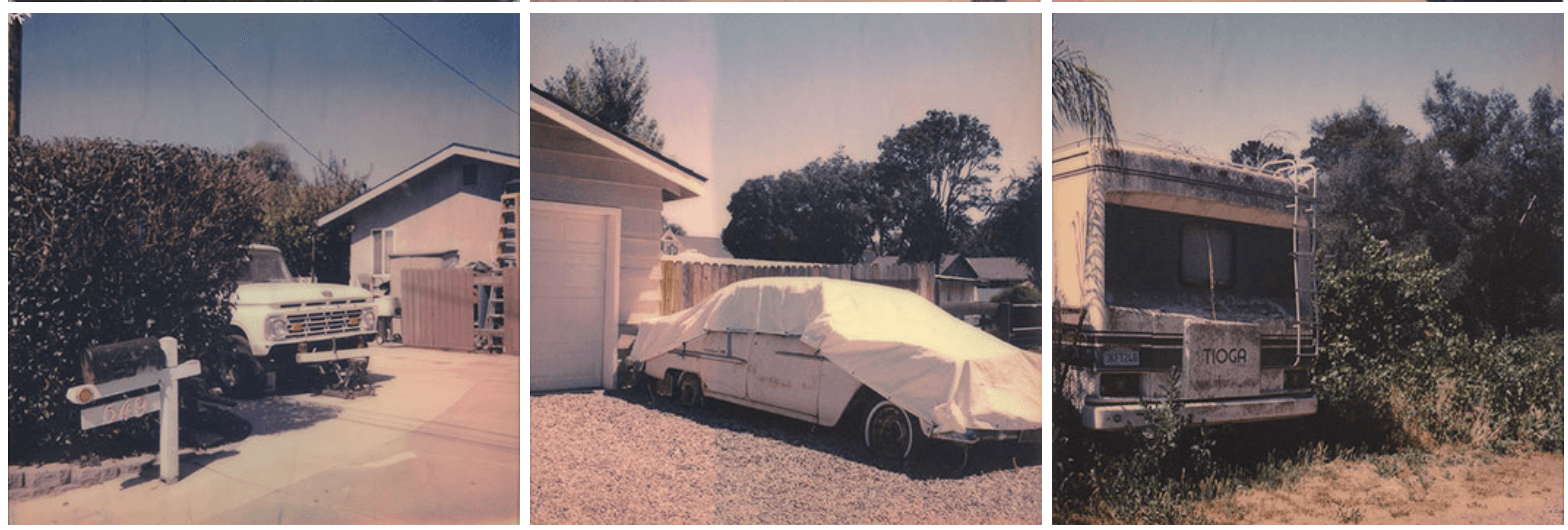
His own perspective helps explain the tone of the work. He has said that the process of photography itself is his strongest motivation, and that he feels most comfortable working slowly, carefully refining composition and exposure. He has also expressed that artists need to trust their internal direction more than outside validation. This shows in his images. They are not built for fast approval. They come from patience, repetition, and a clear personal standard. They do not ask to be liked. They ask to be seen.
His artistic path also adds context. Early on, he was influenced by major landscape photographers, but later he drew inspiration from artists working in more conceptual and architectural spaces. This shift explains why his work no longer fits neatly into one category. He is not only a landscape photographer, and not strictly an architectural one. He operates between the two. This middle ground is where his voice becomes most distinct. He brings structure into landscapes, and a sense of quiet into built environments.
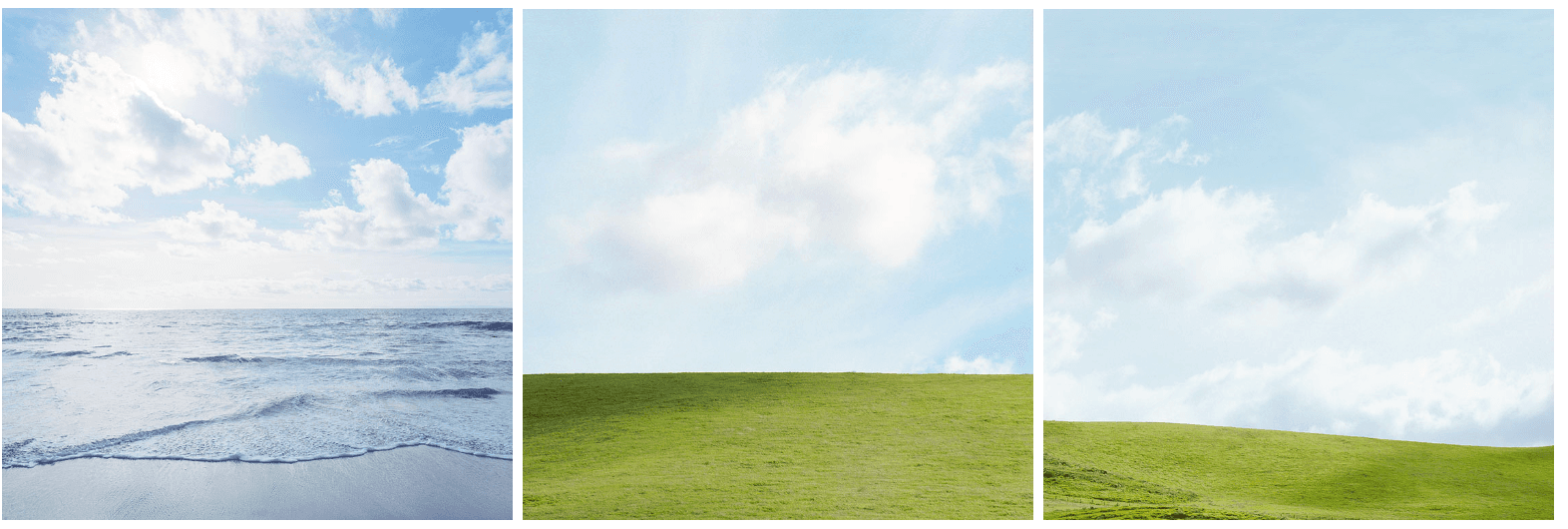
There is also a reason his work feels relevant today. Film photography is often framed as nostalgia or aesthetic preference. In Carver’s case, it feels more like a pace. His process slows down the act of looking. It requires commitment and creates space for thought before the image is made. This slower method matches his subject matter. Photographing forgotten buildings and quiet environments demands time and attention. His process and his subjects share the same philosophy. Both resist speed.
At the same time, he is not disconnected from the present. His workflow combines film and digital, and his online presence, including educational content, has become an important part of his work. He shares technique and process with a wide audience, while keeping his artistic approach grounded. This balance is part of what makes him relevant. He is not preserving old methods for the sake of nostalgia. He is adapting them without losing their depth.
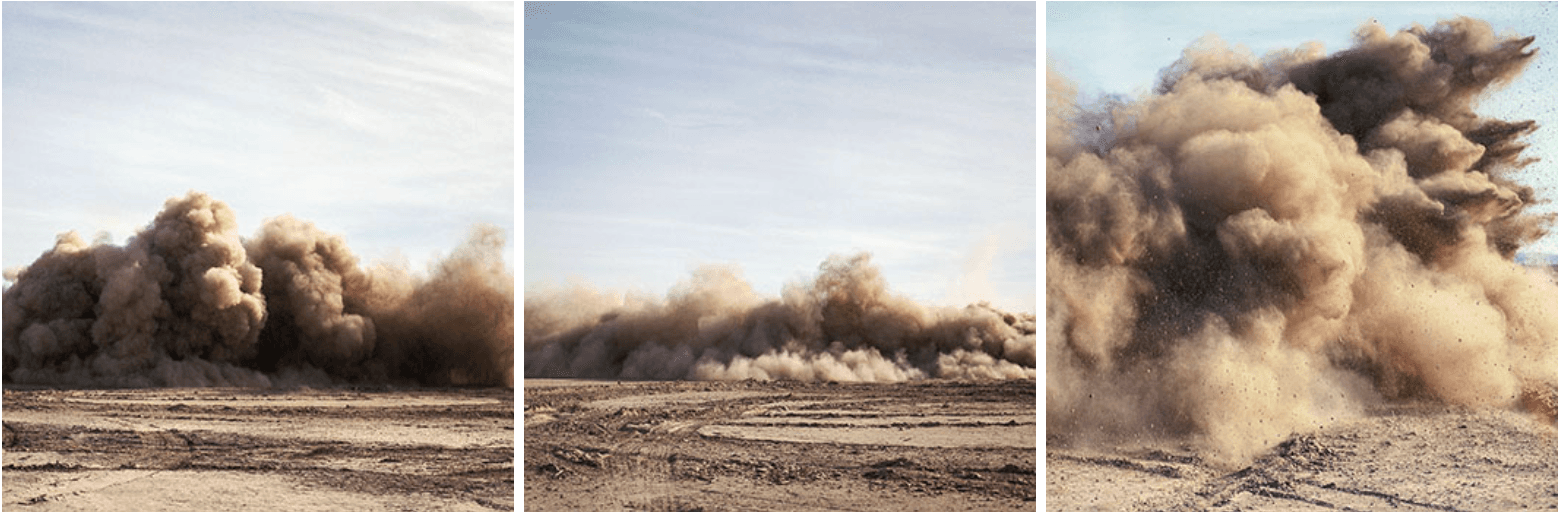
What makes Nick Carver worth covering is not just his skill or reputation. It is the way he has built a visual language around places that are often ignored. He photographs the overlooked parts of America, old storefronts, empty interiors, roadside structures, and quiet desert spaces, and gives them attention without exaggeration. In his work, these places do not become dramatic symbols. They become something more subtle and more honest. They become evidence of how people live, leave, build, and remember.
This article was produced by Prism’s automated news system from verified source data, official records, and press releases, then run through automated quality and moderation checks before publishing. The system is built and supervised by the people who set the standards it runs under. Read our full AI policy.
Did this article answer your question?