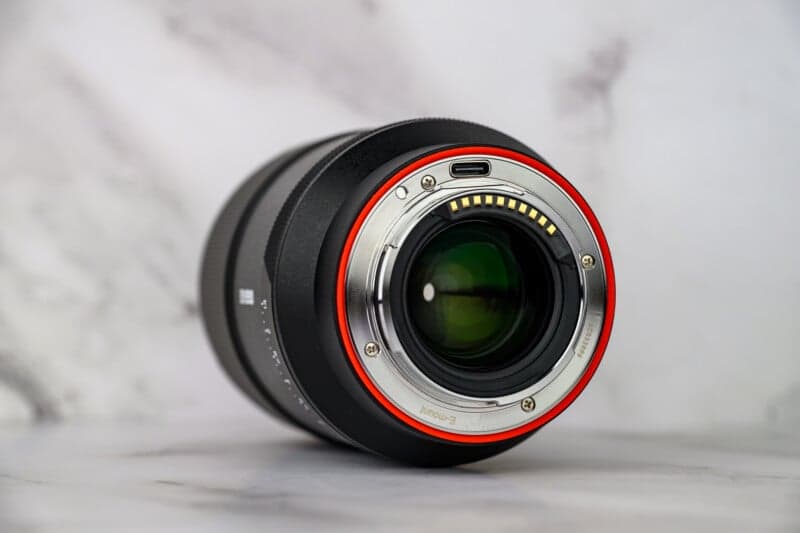
OM System makes infrared photography easier with in-camera processing
OM System’s new IR setup uses swappable magnetic filters and in-camera processing, turning a costly camera mod into a more flexible weekend-ready option.
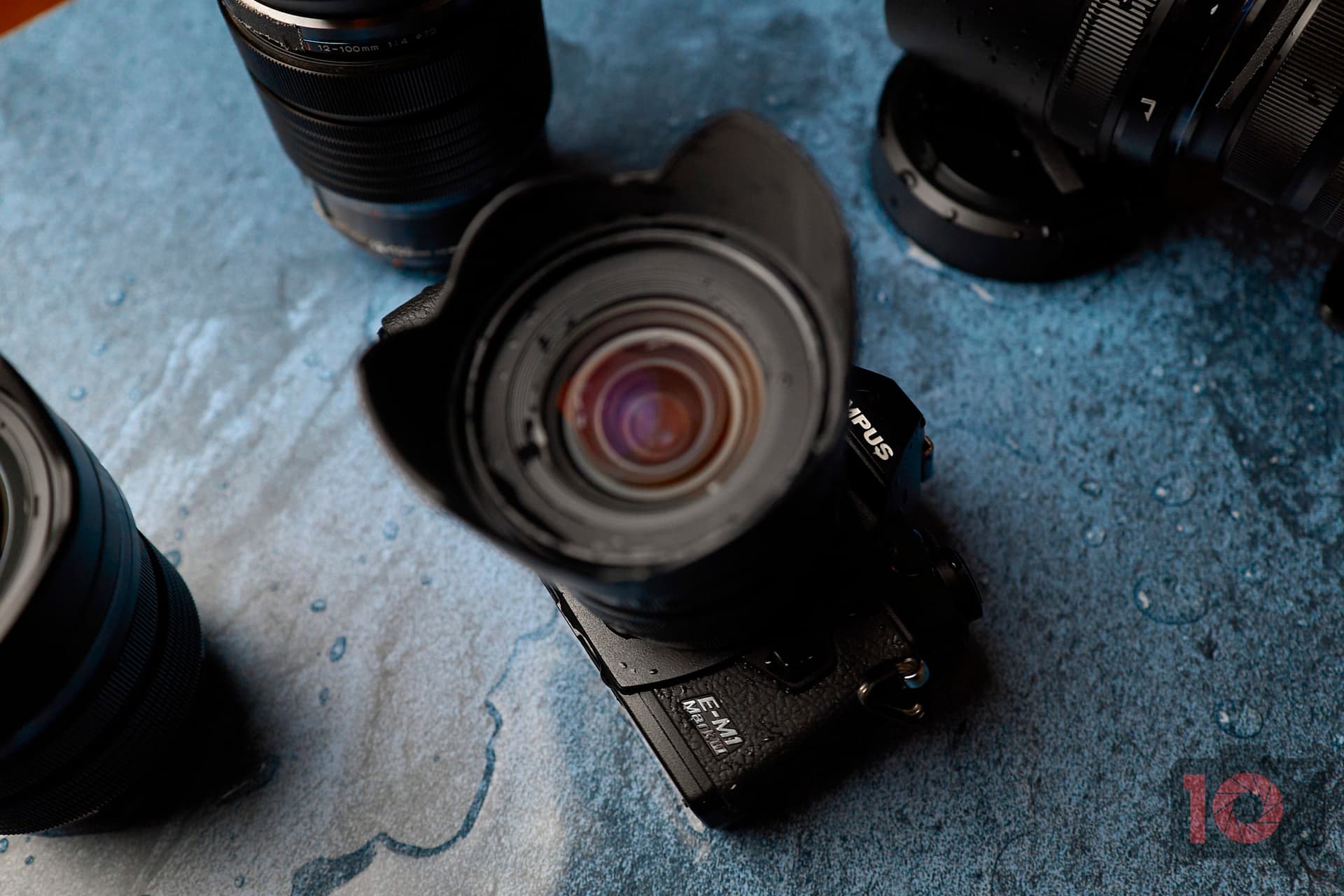
OM System is trying to pull infrared photography out of the specialist-mod niche and into a more workable everyday setup. Instead of sending a body out for surgery or buying separate hardware, the company is using near-infrared capture and in-camera processing to build an 80-megapixel infrared workflow around three familiar bodies: the OM-1 Mark II, E-M1 Mark III and OM-D E-M1X.
The practical change is the detachable magnetic body-mount filter, which lets photographers switch between infrared and normal shooting without committing a camera to one job forever. That matters in the field. A setup built this way cuts down on friction, especially for photographers who want to experiment with surreal tonal separation on a weekend landscape shoot and then return to visible-light work the next day. It also means OM System is leaning on cameras people already know, rather than asking them to buy a one-off infrared body just to try the look.
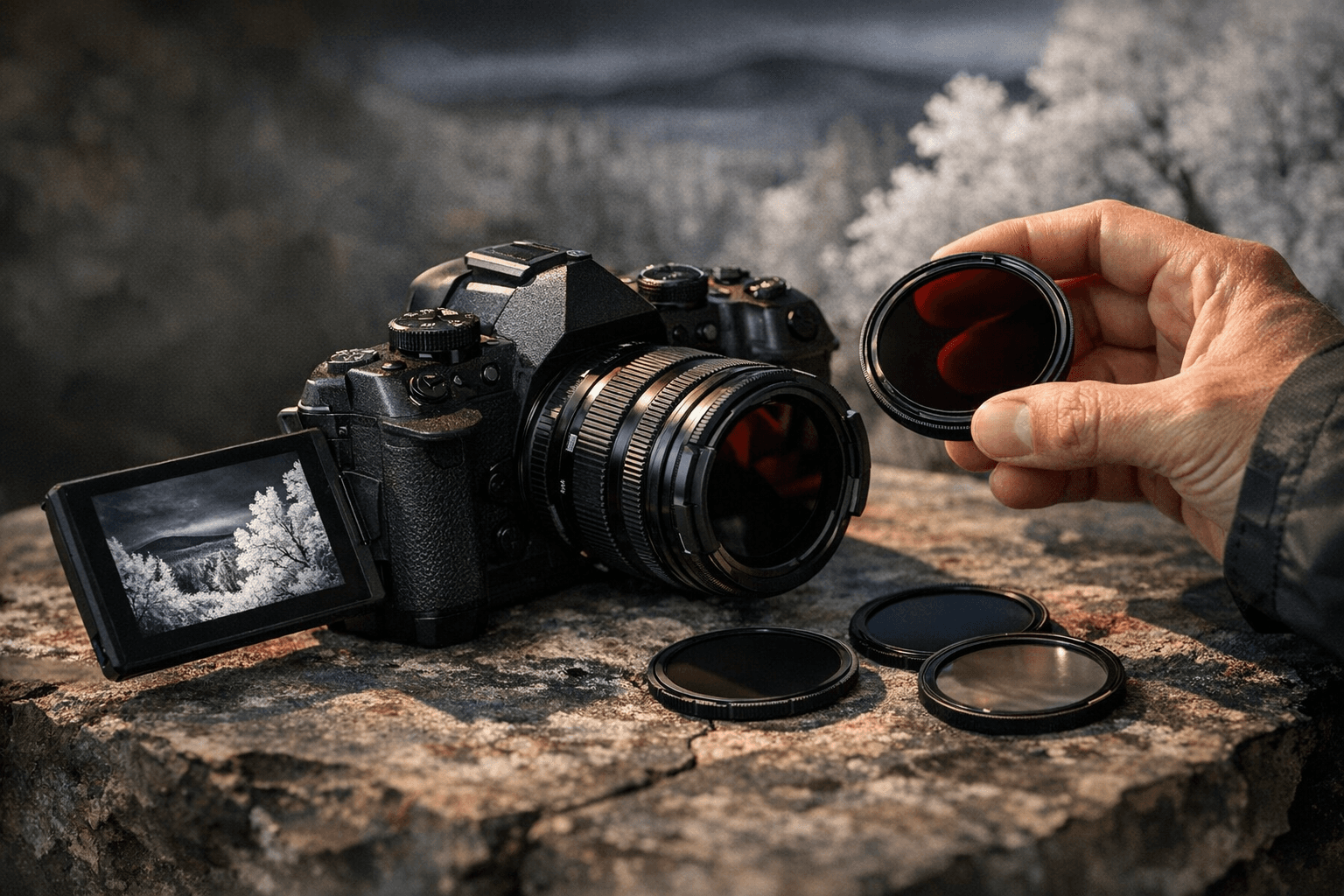
The OM-1 Mark II gives that pitch real weight. In the United States, OM System lists the body at $1,999.99 and describes it as IP53 weather-sealed, with Live GND, Handheld High Res Shot, AI subject detection AF and Pro Capture. That places infrared alongside the brand’s core outdoor and computational tools, not in a separate corner of the lineup. The E-M1 Mark III infrared setup uses a 12-40mm f/2.8 PRO lens, while the OM-1 Mark II and E-M1X use the 12-45mm f/4 PRO, reinforcing the idea that this is meant to fit into a working kit rather than sit on a shelf as a curiosity.
OM System has already shown the basic concept can work. The E-M1 Mark III ASTRO is officially sold as a dedicated astrophotography camera with a modified IR cut filter and a body-mount filter set, and the company’s Japanese store lists that package at ¥327,800 with a three-year body warranty. OM Digital Solutions also announced an OM-1 Mark II IR in Japan on April 9, 2026, aimed at business, industrial, scientific, educational and research users, which pushes the idea beyond creative play.

That broader range makes sense. Infrared reflectography has been used since the 1960s to reveal underdrawings and hidden layers beneath paintings, and scientific literature says portable infrared imaging can help in forensic routines by revealing subdermal detail better than daylight photography. OM System’s modular approach does not just make infrared more convenient; it makes it look like something a photographer can actually carry, switch and use without turning the camera into a permanent science project.
This article was produced by Prism’s automated news system from verified source data, official records, and press releases, then run through automated quality and moderation checks before publishing. The system is built and supervised by the people who set the standards it runs under. Read our full AI policy.
Did this article answer your question?