Pat Kane wins gold at National Magazine Awards for Arctic story
Pat Kane’s Arctic invasion essay took gold, while Sara Hylton’s Neskantaga coverage showed why access, sequencing and restraint still win in long-form photojournalism.
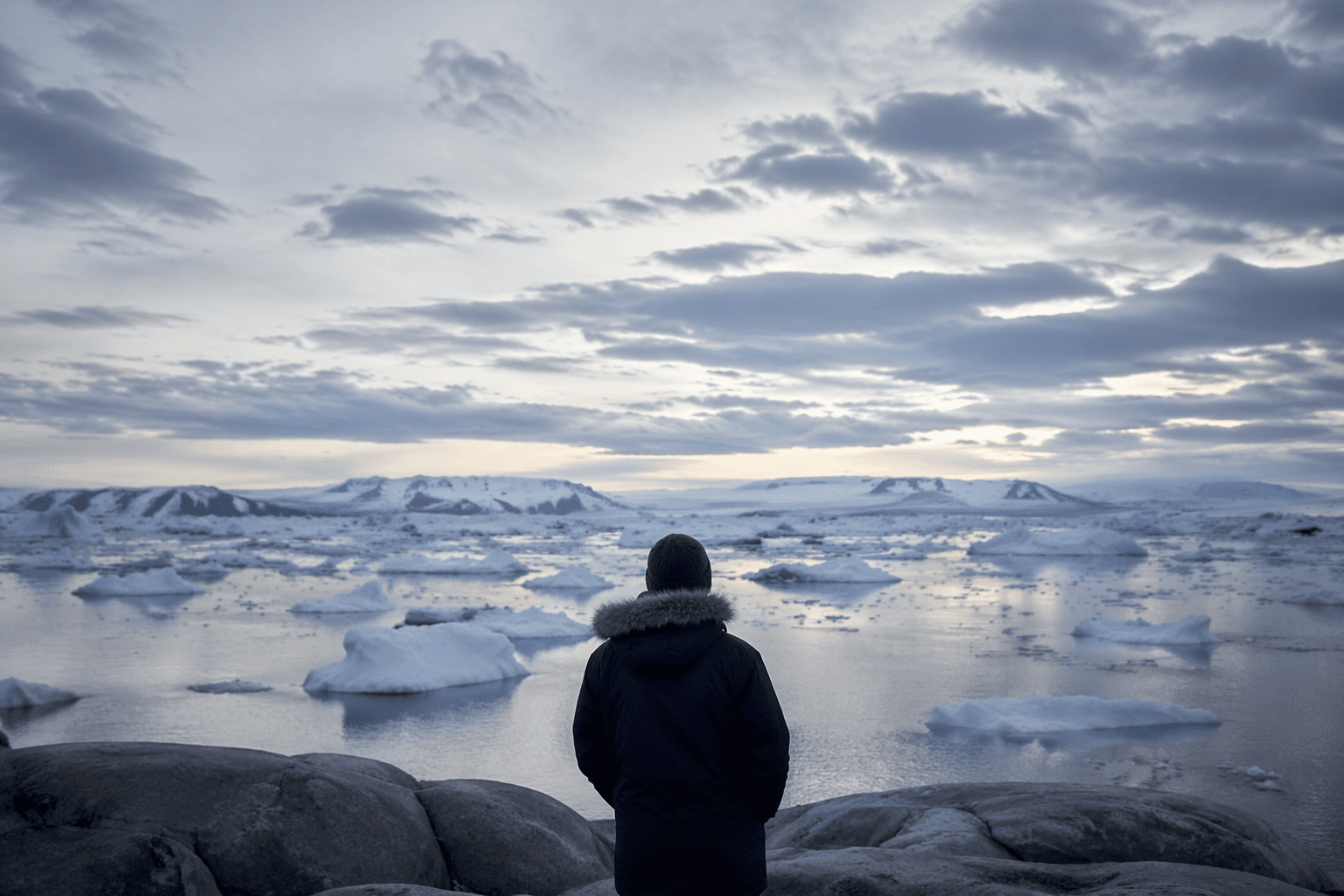
Pat Kane’s Arctic invasion essay took gold in Photo Essay & Photojournalism at the 49th National Magazine Awards, and the result says as much about how documentary stories are built as it does about who won. The strongest work in this room was not the loudest frame on the wall. It was the story that earned access, held a clear sequence, and trusted the subject to carry the weight.
The 49th annual gala was held at Arcadian Court in Toronto on June 5, 2026, where the National Media Awards Foundation announced winners across 28 categories, plus two special awards and eight more categories tied to a cross-programming initiative with the Digital Publishing Awards. Gold winners in writing and visual categories received $1,000. In the same visual slate, Sara Hylton took silver for photography on Canadian Geographic’s “Thirty years of Neskantaga First Nation’s boil water advisory,” a Brandi Morin feature published January 9, 2025 and updated January 10, 2025 in the magazine’s January/February 2025 issue.
That pairing is a useful case study for anyone building a long-form photo project. Kane’s winning entry, “Should the Arctic Really Brace for an Invasion?” in The Walrus, was credited to Pat Kane for photography, with Meredith Holigroski as art director, Samia Madwar as editor and Lucy Uprichard as fact checker. That credit line matters. Good photo essays are rarely just a pile of strong singles. They are sequenced, edited and tightened until the pictures work as a narrative, not as isolated trophies.
Hylton’s silver-winning work points to the other half of the equation: subject intimacy. Neskantaga First Nation sits on the banks of Attawapiskat Lake and the Otoskwin River, 436 kilometres northeast of Thunder Bay, Ontario, and Morin framed the community’s long-running lack of safe drinking water as generational trauma. Stories like that do not land because they are dramatic for a day. They land because the photographer stays close enough to understand the rhythm of the place and patient enough to let the history show through.
The wider awards slate backed that up. The Walrus said it led the nominations with 25 and finished with five gold awards and four silver awards across eight categories. Carmine Starnino called it “an especially strong year,” and Jennifer Hollett said the wins reflected the publication’s role in Canada’s current moment. For photographers, the lesson is simple: get access, sequence with discipline, and keep the visual language restrained enough that the story can breathe. That is how documentary work stops looking like coverage and starts looking like a finished argument.
This article was produced by Prism’s automated news system from verified source data, official records, and press releases, then run through automated quality and moderation checks before publishing. The system is built and supervised by the people who set the standards it runs under. Read our full AI policy.
Know something we missed? Have a correction or additional information?
Submit a Tip