Photographers and scientists chase ghost orchid pollination in Florida swamps
Three summers in swamp water turned a ghost orchid hunt into evidence-gathering, and the cameras helped overturn old ideas about who pollinates it.
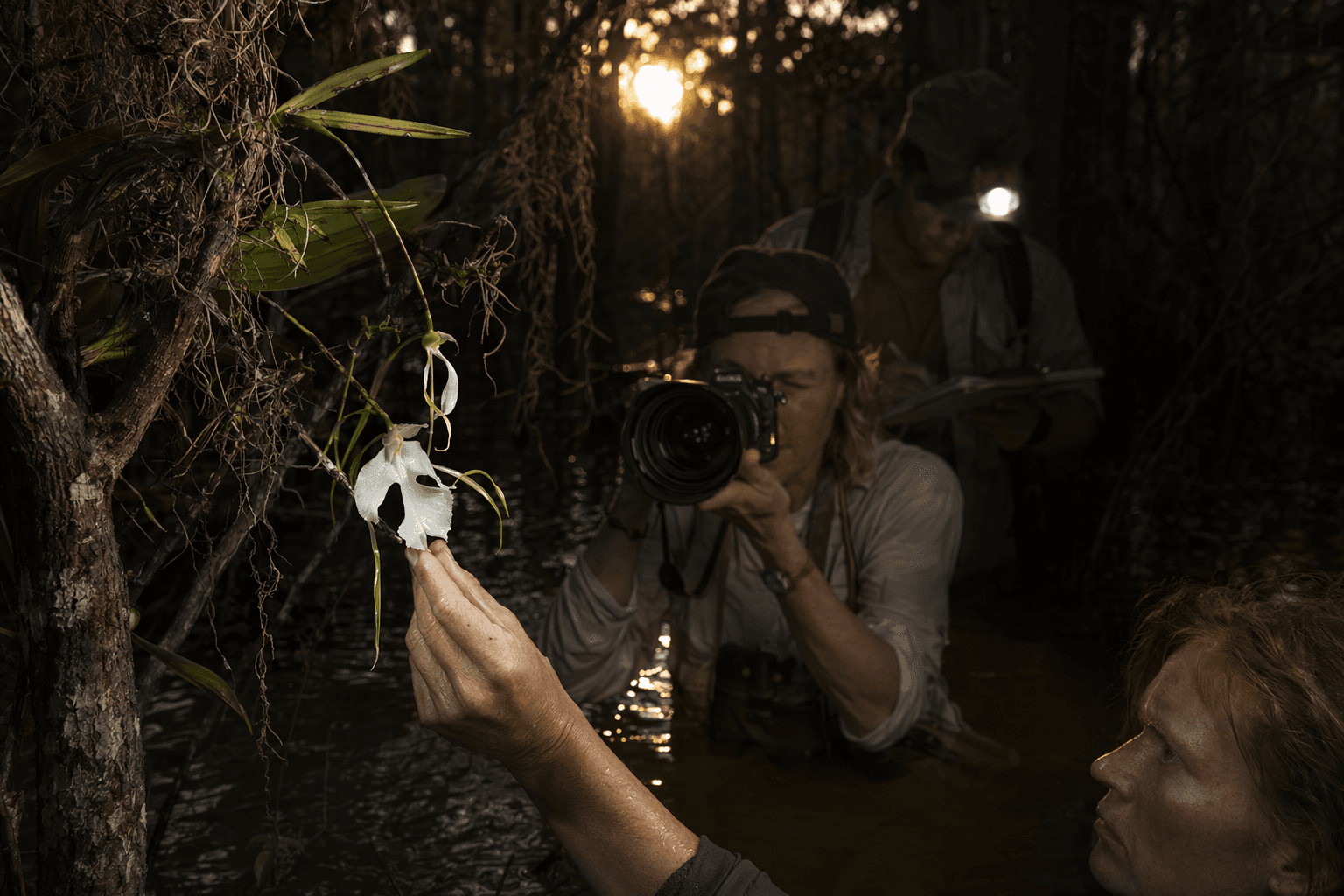
Three summers in waist-deep, alligator- and snake-laden water turned this ghost orchid project into something closer to a field lab than a photo shoot. The whole premise of *Chasing Ghosts* is that conservation photography can do more than make a plant look beautiful: it can help answer a biological mystery that has followed *Dendrophylax lindenii* for decades.
The mystery at the center of the frame
The ghost orchid is native to Florida and western Cuba, and in South Florida it survives in the sort of places photographers love to romanticize until they have to stand in them for hours. It is a leafless epiphyte concentrated in protected swamp habitats like Florida Panther National Wildlife Refuge, Fakahatchee Strand Preserve State Park, and Corkscrew Swamp Sanctuary. That remoteness is part of the appeal, but it is also the reason the species has resisted easy study.
Earlier reporting estimated that about 2,000 ghost orchids remained in Florida, with roughly one in ten plants blooming each summer and only about one-tenth of blooms thought to be pollinated. A 2025 proposal from the U.S. Fish and Wildlife Service painted an even more alarming picture, saying fewer than 1,000 ghost orchids remain in the United States and that less than half are mature enough to reproduce. In other words, every successful pollination matters, and every frame that documents one has the potential to carry scientific weight.
How the project treats photography as fieldwork
*Chasing Ghosts*, produced by Grizzly Creek Films, BioGraphic Magazine, and Matador Network, follows photographers and scientists deep into the flooded forests and cypress swamps of South Florida in search of a deceptively simple answer: what pollinates the ghost orchid? Carlton Ward Jr., Mac Stone, and Peter Houlihan bring different skills to that question, but the project only works because those skills overlap. Ward approaches the story through landscape and conservation, Stone through long-form ecological storytelling, and Houlihan through orchid and pollination research.
That combination is the real subject of the film. The swamp is not a backdrop to the work, it is the work, with unstable footing, rising water, dense vegetation, mosquitoes, alligators, and snakes shaping every move the team makes. The project’s own description says the crew spent three summers standing waist-deep in dangerous water, which is a long way from the tidy myth that nature photography is just about finding a pretty angle.
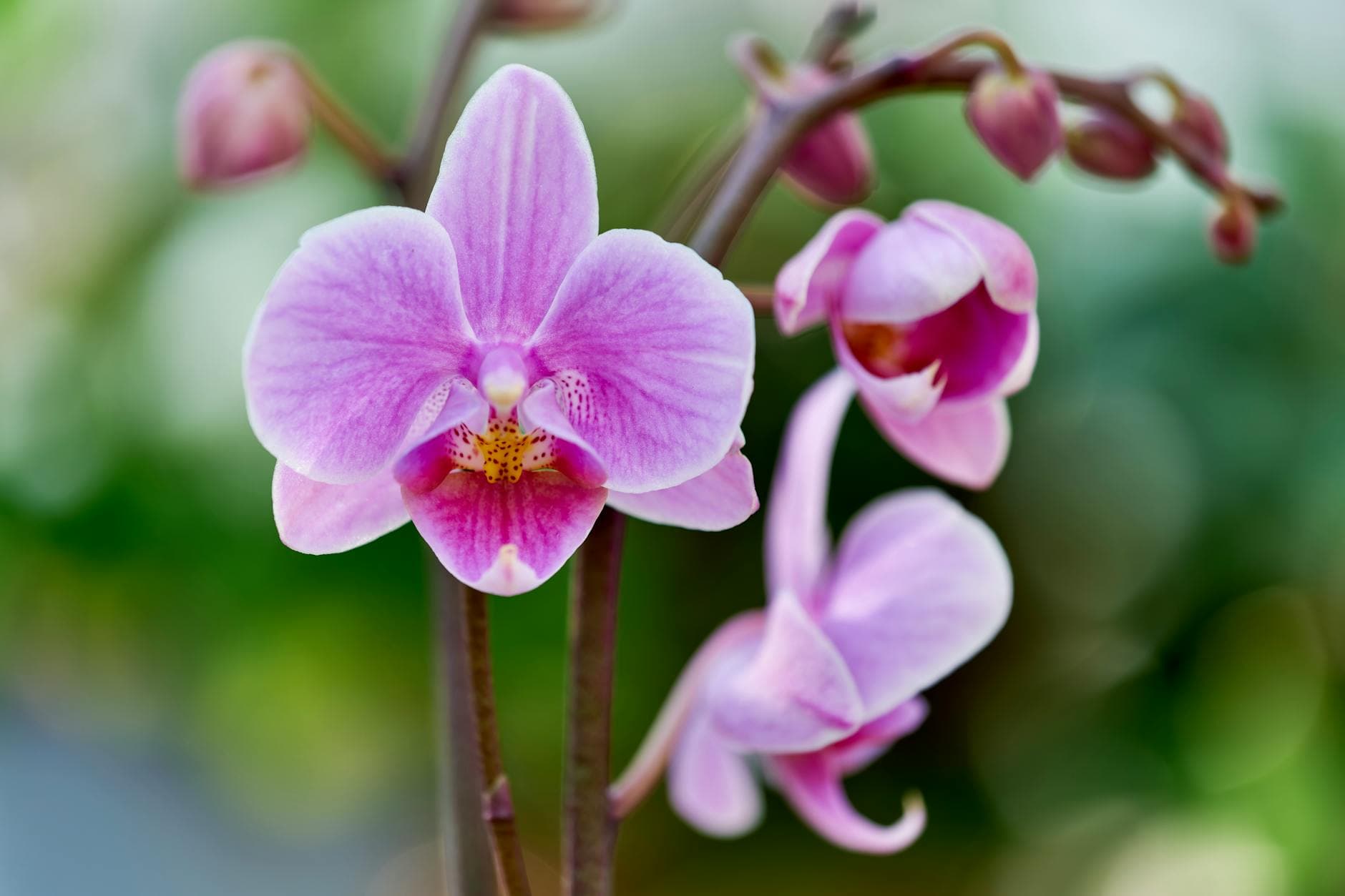
For photographers, that matters because it reframes the camera as an instrument of evidence. The pictures are not there simply to illustrate a finished answer. They help build the case for one, while keeping attention on an ecosystem that is as fragile as the flower itself.
What the cameras changed about the science
The turning point came in 2019, when a *Scientific Reports* paper described the first ghost orchid pollination and introduced remote camera trapping methods into the story. For years, the species had long been assumed to be pollinated by Cocytius antaeus, the giant sphinx moth. The documented pollination by Pachylia ficus, the fig sphinx moth, upended that assumption and widened the search for other possible pollinators.
That is where photography gets especially interesting. The image-making was not incidental to the science, it was part of the method, and one reporting thread noted that Ward and Stone spent more than 52,000 frames trying to capture the event. In practice, that means patience on a scale that most photographers only talk about. It also means accepting that the decisive image may arrive after days, weeks, or entire seasons of nothing happening at all.
Follow-up reporting and research added more complexity by documenting multiple hawkmoth visitors, including Dolba hyloeus, Eumorpha fasciatus, and Protambulyx strigilis. Instead of a single neat answer, the story opened into a more layered pollination ecology, one that suggests the ghost orchid’s survival depends on a network of insects, timing, and habitat conditions that are still being mapped.
Why the swamp matters as much as the flower
The ghost orchid story is inseparable from the swamp that holds it. South Florida’s flooded forests and cypress systems are not just difficult terrain, they are part of the orchid’s reproductive puzzle, because the species depends on the microclimates and water conditions that keep seedlings alive. Conservation groups and researchers have argued that the future of the plant hinges on protecting water flow, swamp habitat, and the specific conditions that make reproduction possible.
That urgency is sharpened by the U.S. Fish and Wildlife Service proposal, which cited poaching, habitat loss, and habitat degradation as major threats. The agency also declined to propose critical habitat, saying that designating it could increase poaching risk. For image-makers, that creates a familiar but thorny conservation tension: visibility can protect a species by drawing attention to it, but it can also make it more vulnerable.
This is why ghost orchid coverage lands differently from standard wildlife imagery. It is not only about a rare bloom in a beautiful setting. It is about how a camera crew, a conservation photographer, an ecological storyteller, and a researcher can use images to chase down a living question in a landscape that resists shortcuts.
What photographers can take from the ghost orchid story
The strongest lesson here is that long-term field craft still matters. The decisive photograph in a project like this is usually the product of repeat visits, careful timing, and enough trust between collaborators to keep working when nothing is visible and the swamp is actively trying to end the day. That is a very different model from the fast-hit culture of many photo feeds, and it is exactly why the story stands out.
It also shows that conservation photography can function as a kind of translation layer between science and public attention. Ward, Stone, and Houlihan are not just documenting a rare orchid, they are turning a difficult biological problem into an image-led narrative that people can actually follow. In a field often dominated by gear talk and quick-turn content, the ghost orchid reminds photographers that some of the most meaningful frames are the ones that take years, 52,000 exposures, and a swamp full of patience to earn.
This article was produced by Prism’s automated news system from verified source data, official records, and press releases, then run through automated quality and moderation checks before publishing. The system is built and supervised by the people who set the standards it runs under. Read our full AI policy.
Did this article answer your question?