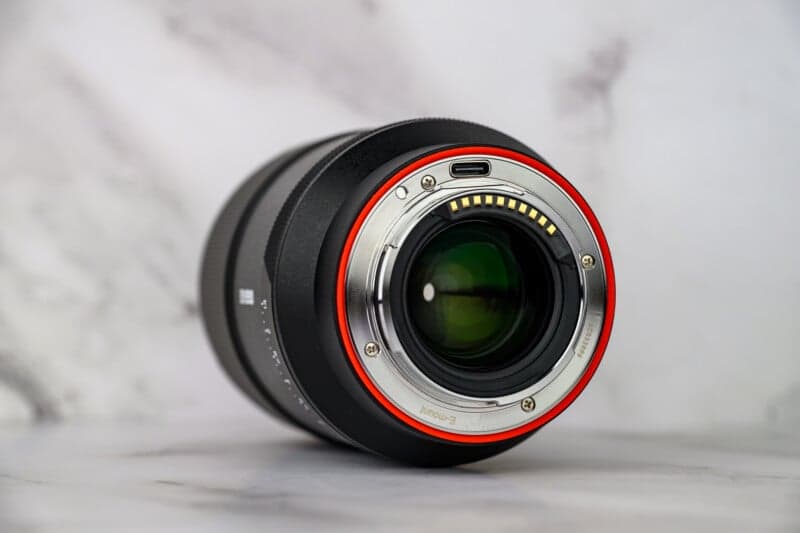
Sigma CEO Says Full-Frame Foveon Sensor Project Could Advance in 2026
Sigma CEO Kazuto Yamaki says noise problems are finally narrowing and the full-frame Foveon project could reach manufacturing phase by summer 2026.

After years of prototype setbacks and missed deadlines, Sigma CEO Kazuto Yamaki delivered what may be the most encouraging update yet on the company's long-running full-frame Foveon sensor project: engineers have identified and begun solving the root causes of the sensor's primary technical problem, noise, and the team could enter the manufacturing phase as soon as spring or summer of this year.
Speaking with Chris Niccolls on The PetaPixel Podcast and separately at the CP+ Show in Yokohama, Japan, Yamaki was candid about the project's history. "Unfortunately, it's been taking more time, much more time than we expected, and it's delayed, delayed, delayed. Because every time we make a prototype, we find some technical issues, but we are making progress little by little because we already promised to deliver the products with the Foveon sensor," he said. On the specific technical hurdle his engineers are tackling, Yamaki was precise: "The main problem — there are actually several problems — is mainly noise. And we needed to find the cause of the noise. There were several causes of problems and we've been solving them."
At CP+ 2026, Yamaki told Japanese technology portal +Digital that "compared to last year, progress has been made, and the problems are narrowing," adding that Sigma may "be able to move on to the next stage this year." According to +Digital's reporting, that next stage represents the actual manufacturing phase of the sensor. The project currently remains in Stage 2 of development, and Yamaki told PetaPixel the spring-to-summer 2026 window is his target for clearing that threshold. Commercial sales are not yet underway.
The stakes of reaching that milestone stretch back nearly eight years. Yamaki first unveiled plans for a full-frame Foveon camera at Photokina in 2018, at which point Sigma anticipated a 2019 market arrival. That timeline slipped, attention shifted to 2020, and by PetaPixel's account there were no major advancements in the development process between 2022 and this month's update. Sigma also published a video message from Yamaki, available in both English and Japanese, in which he pledged: "We will do our utmost effort to create a camera in which we have full confidence," and concluded with a commitment from the entire company: "All of our employees, including me, will do our best to develop innovative and outstanding technology."
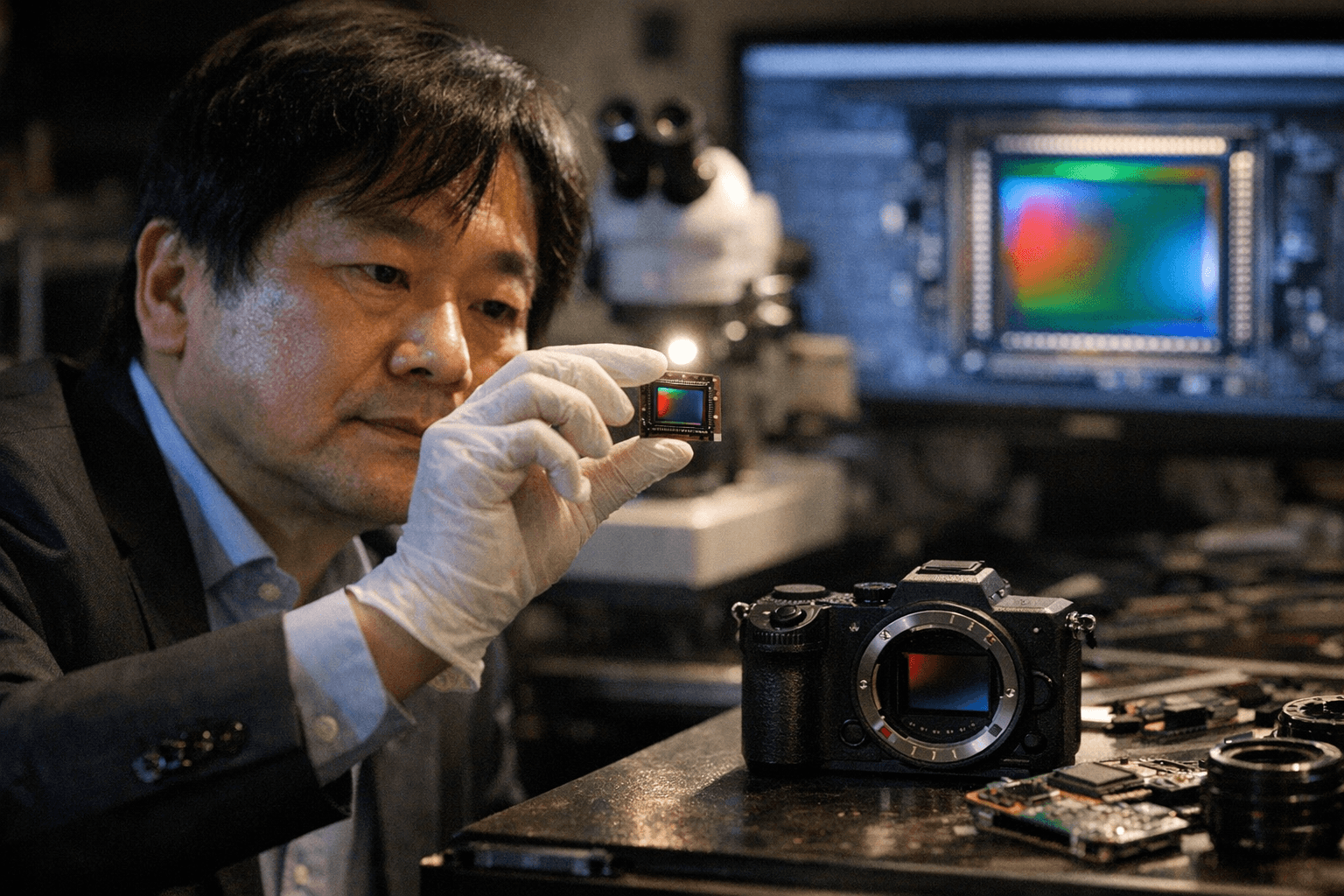
The appeal of getting that technology right is rooted in Foveon's fundamental architecture. Unlike conventional image sensors, which arrange red, green, and blue pixels in a mosaic on a single layer and reconstruct color by interpolating from neighboring pixels, Foveon uses a three-layer structure where each color occupies its own dedicated full layer. Sigma first introduced the Foveon sensor in 2002, and the approach has always promised more precise per-pixel color capture at the cost of manufacturing complexity.
That complexity is at the heart of the commercial viability question Yamaki himself framed at CP+ 2026: "An important point is whether we can bring it to market as something that has value in today's world." Foveon sensors are currently more expensive to produce and harder to process than conventional designs, and as Gear Editor Feroz Khan of The Phoblographer has noted, only a small niche of photographers would be willing to pay a premium for the technology, which limits the economic case for mass production unless Sigma can reduce those costs substantially.
If Sigma does reach the manufacturing stage this year, some observers have speculated the success could reverberate beyond mirrorless cameras, potentially influencing the competitive landscape in medium format, where Fujifilm's GFX system has been pushing against Hasselblad and Phase One. Whether Yamaki can deliver a prototype ready for manufacturing by summer, or whether CP+ 2027 becomes the next milestone marker, will depend on how cleanly those remaining noise causes can be eliminated.
This article was produced by Prism’s automated news system from verified source data, official records, and press releases, then run through automated quality and moderation checks before publishing. The system is built and supervised by the people who set the standards it runs under. Read our full AI policy.
Did this article answer your question?