Sony A7R VI Rumors Point to Major Full-Frame Mirrorless Upgrade
Overseas hardware filings and three confirmed sources lock in a 67MP Sony A7R VI for May 2026, setting a new full-frame resolution record.
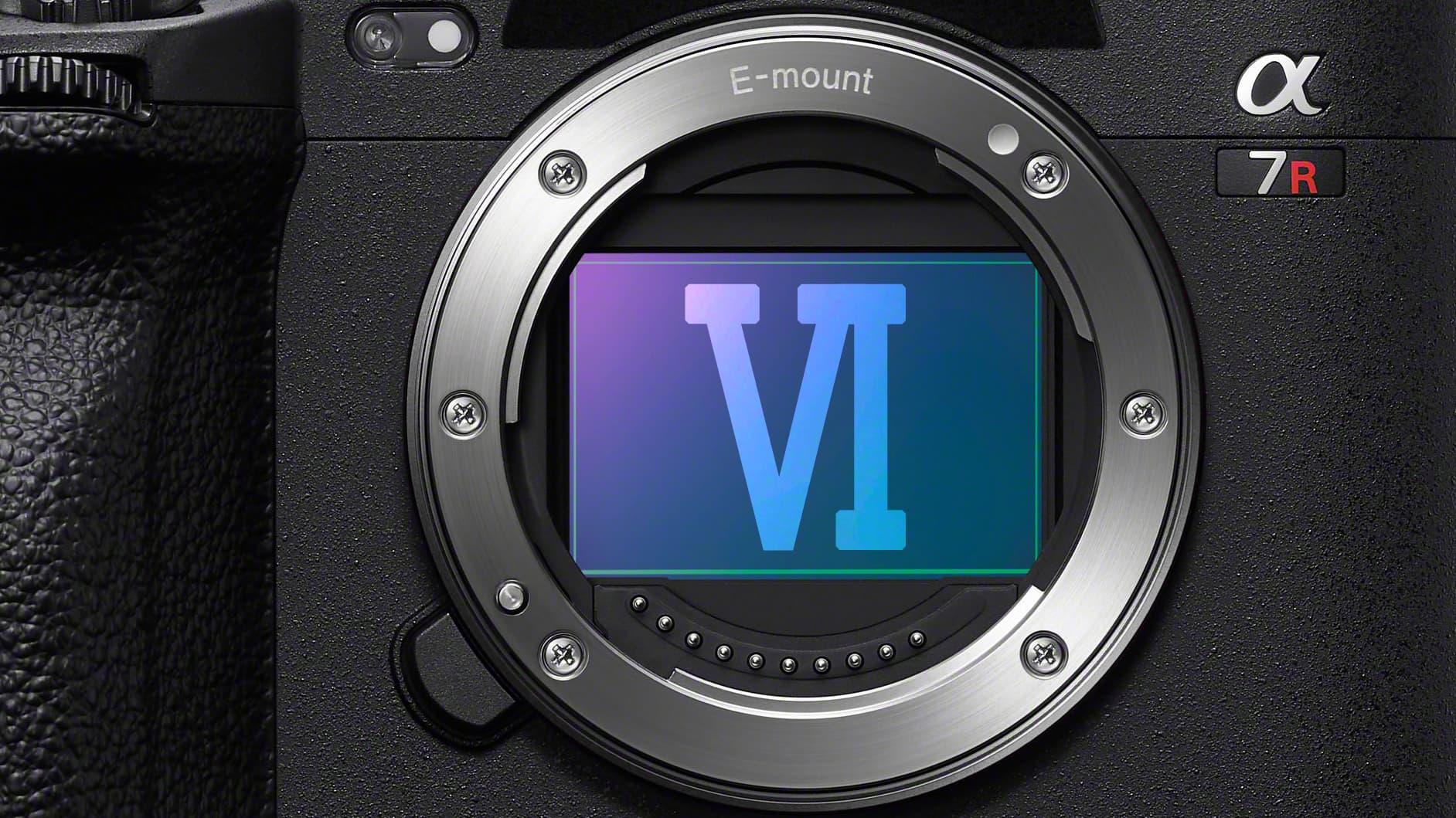
A wireless certification filing for an advanced full-frame Sony hybrid, model WW847606, carrying a BIONZ XR2 processor and WiFi 6, built in Japan, turned up in overseas regulatory databases in February. Three independent trusted sources have since confirmed what that hardware signal implied: a Sony A7R VI, featuring a sensor close to 67 megapixels, is on track to ship in May 2026, with an official announcement potentially arriving as early as April.
That confirmation puts the A7R VI in rare company for an unannounced camera: hardware-verified and triple-sourced. The A7R V, which launched October 26, 2022 carrying a 61MP standard BSI CMOS, has held the full-frame resolution record for nearly four years. A 67-megapixel successor would outpace Canon's EOS R5 Mark II at 45MP and Nikon's Z7 III at 45.7MP by a substantial margin, pushing the Alpha system into resolution territory that medium format shooters have historically cited as justification for the cost and bulk of larger-sensor systems.
The specification sheet circulating since February pairs the sensor with 8.5 stops of in-body image stabilization, 30fps 14-bit RAW continuous shooting with RAW pre-capture, and 60fps AE/AF tracking. The BIONZ XR2 processor, corroborated by the overseas filing, and the close-to-67MP sensor count are the most reliably sourced details. The 30fps RAW burst, 60fps AE/AF, and a rumored 16-stop dynamic range figure are single-sourced from that February leak and carry less weight than the confirmed timeline and resolution. The 80MP figure from earlier rounds of speculation fits poorly with Sony's generational upgrade pattern and has largely been set aside.
The "major" label attached to this E-mount launch in earlier leaks maps to three specific characteristics: flagship price tier (estimates sit at $3,999 to $4,499), a confirmed new chassis design rather than an internal refresh, and a likely partially stacked CMOS architecture. The A7R V relied on a standard BSI CMOS; stacked readout circuitry enables faster data throughput, which powers the rumored 30fps RAW burst and eliminates the rolling-shutter distortion that constrained the previous generation during action and high-speed video use.

The buying decision is considerably simplified for anyone currently weighing a high-resolution Sony purchase. Committing to an A7R V today is a difficult case to make for professional landscape, architecture, and commercial studio shooters when an announcement is potentially weeks away. After the A7R VI launches, the A7R V will almost certainly fall in price, making it the sharper value option for photographers who do not need 67MP or the updated processor's AI-driven autofocus improvements.
The milestones that would shift this from highly credible to confirmed: a US FCC certification filing (typically surfacing four to six weeks before retail availability, meaning it could appear this month if the May ship date holds), manufacturing images showing the new body design, and any official Sony teaser activity. Three additional Alpha cameras are expected to follow the A7R VI shortly after launch, with a 16-28mm f/2.0 GM and a 100-400mm f/4.0 GM already appearing in the same rumor pool as likely launch-day lens pairings. At 67 megapixels in a full-frame E-mount body, the A7R VI draws a hard line between mirrorless and medium format. The announcement will confirm whether the hardware matches that signal.
This article was produced by Prism’s automated news system from verified source data, official records, and press releases, then run through automated quality and moderation checks before publishing. The system is built and supervised by the people who set the standards it runs under. Read our full AI policy.
Did this article answer your question?