Supreme Court Rejects AI Copyright Case, Leaving Photographers Without Clarity
The Supreme Court declined to hear Thaler's AI copyright case, leaving intact a 2023 ruling that "human authorship is a fundamental requirement of copyright protection."
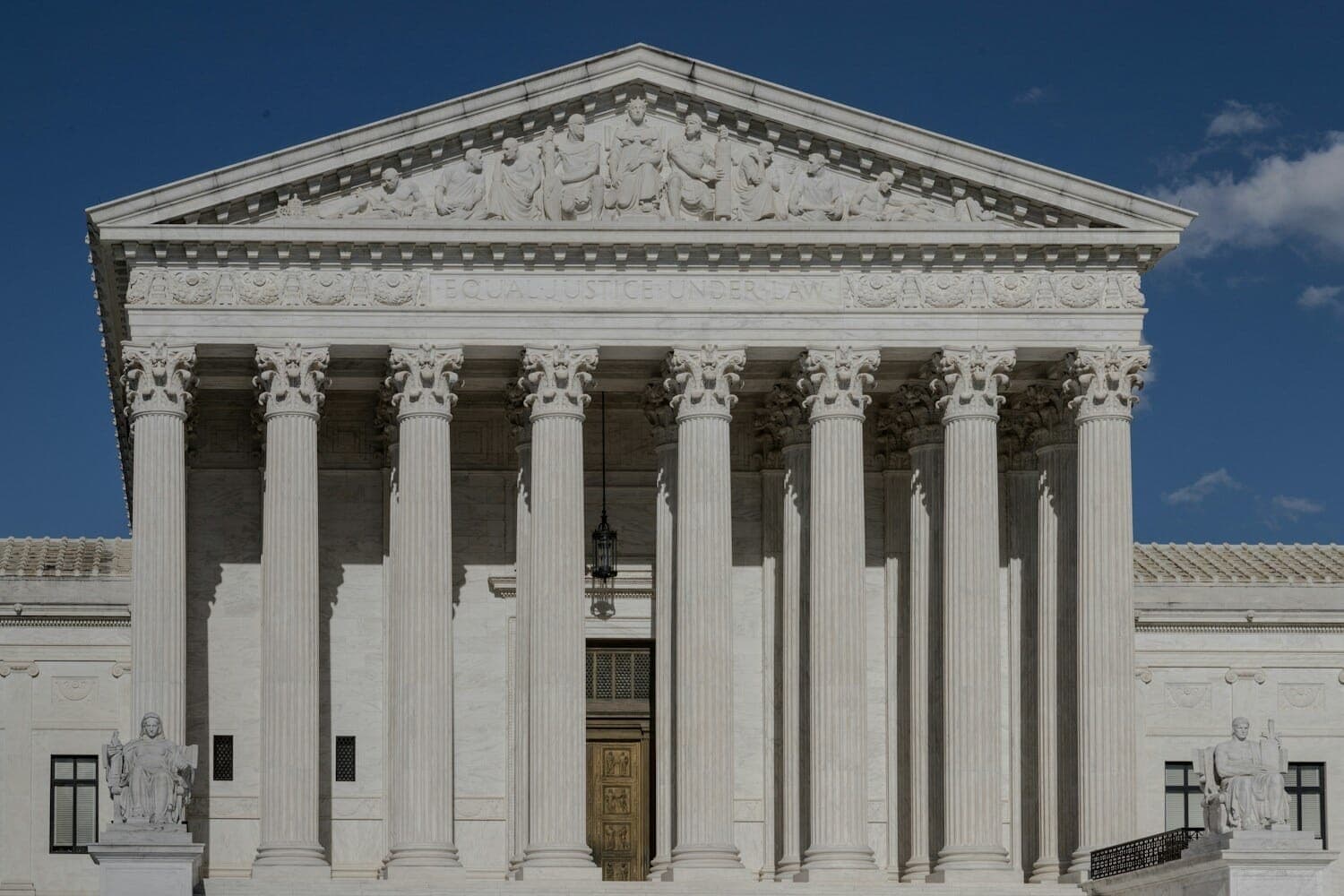
The U.S. Supreme Court declined to hear Thaler's appeal in a long-running AI authorship case, leaving intact lower court rulings that reaffirm human creativity as the threshold for copyright protection. The decision, which landed without comment from the justices, offered no new legal framework for photographers and visual creators who have been watching the case closely as generative AI tools become standard fixtures in digital imaging workflows.
The litigation traces back to 2023, when a federal judge in Washington rejected Thaler's argument that the rapid development of artificial intelligence calls for broader legal recognition of machine-generated works. The judge was unambiguous: "human authorship is a fundamental requirement of copyright protection." The United States Court of Appeals for the District of Columbia Circuit upheld that ruling in 2025. Thaler then petitioned the Supreme Court for review, and the justices declined, effectively leaving the lower court decisions in place.
The refusal to hear the case does not settle the broader debate about AI and copyright. It leaves the current legal interpretation in place for now, but that stability is provisional at best. As generative tools become more common in photography and digital art, additional cases are likely to test the limits of existing law.
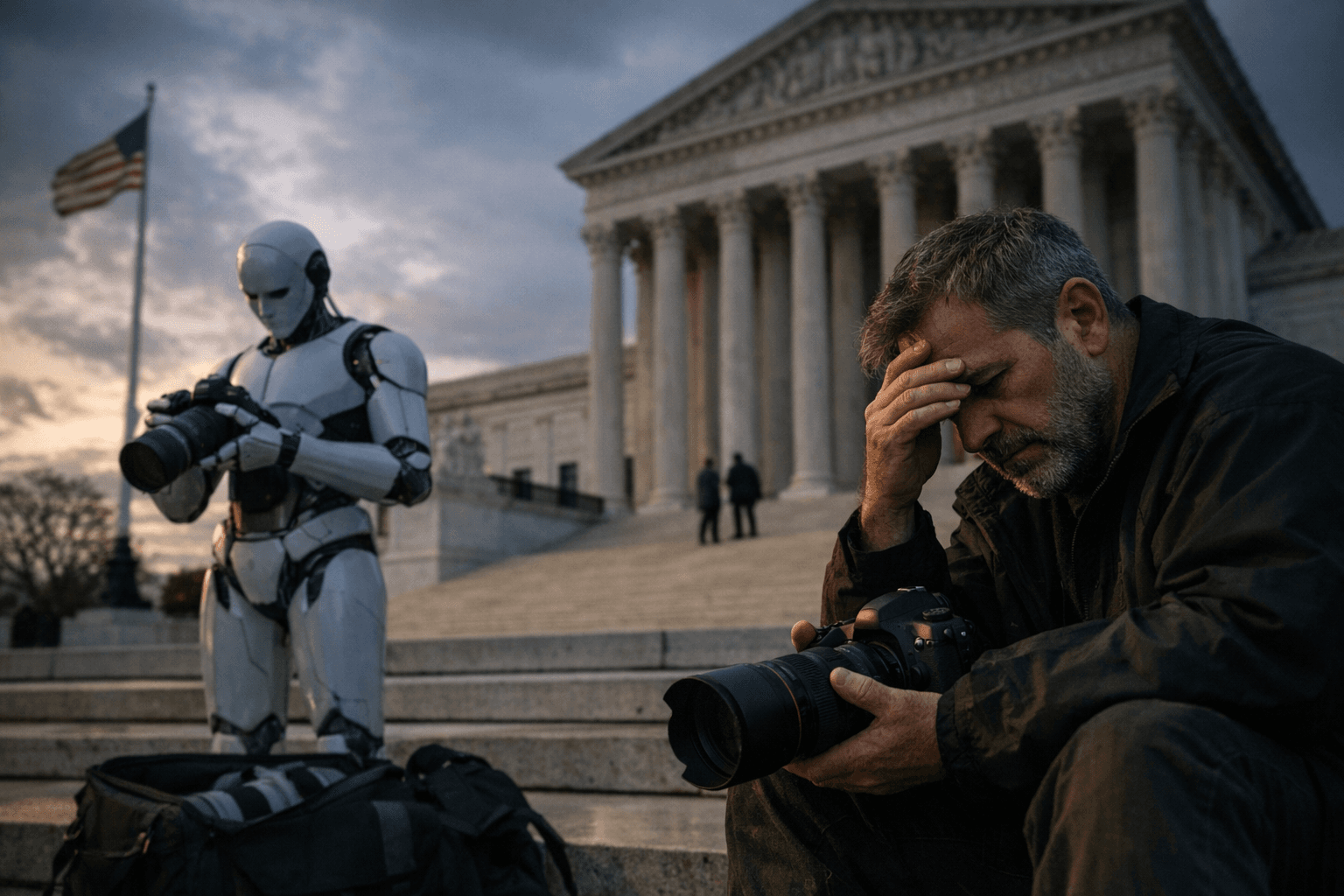
A separate and potentially more disruptive front is already active in U.S. courts. Several lawsuits filed by artists and image libraries claim that training datasets used to build AI models incorporated copyrighted works without permission. Those cases are still moving through United States courts and could influence how AI systems are developed in the future, with implications reaching across every genre of the craft, from commercial product work to editorial and street photography.
For photographers working at the intersection of technology and image-making, the Thaler outcome provides a narrow answer to one question while leaving the larger architecture of AI and copyright law unsettled. The Supreme Court's silence means the 2023 federal ruling now stands as the clearest statement of where the law sits, but the training-dataset litigation and the continued spread of generative tools mean that statement is unlikely to hold unchallenged for long.
This article was produced by Prism’s automated news system from verified source data, official records, and press releases, then run through automated quality and moderation checks before publishing. The system is built and supervised by the people who set the standards it runs under. Read our full AI policy.
Did this article answer your question?