Sydney Photojournalist Captures Bondi Beach Attack, Faces Payment Dispute
Banjo McLachlan ducked behind a bus stop at Bondi Beach, shot through the attack, and later faced a payment fight over the images that raced worldwide.
The hardest part of a breaking-news photo job is not always the gunfire. Sometimes it is the invoice.
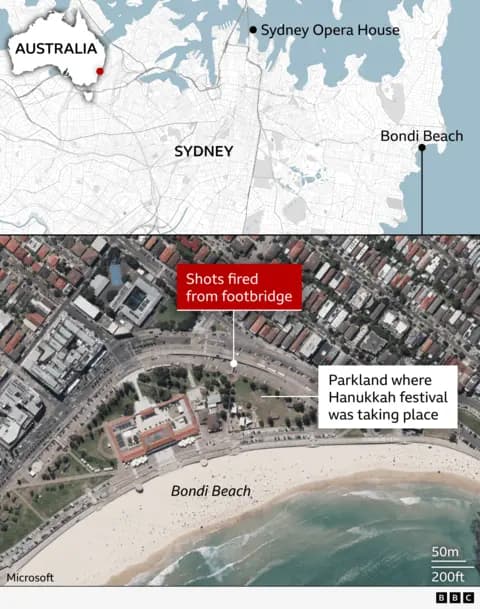
Banjo McLachlan was on assignment near Bondi Beach in Sydney on December 14, 2025, when two gunmen opened fire during a Hanukkah gathering. He reportedly ducked behind a bus stop, pulled out his camera, and captured images and video of the shooters in the middle of the attack, an episode that left 15 victims and one gunman dead and injured at least 38 people, including two police officers. Australian officials described the shooting as a terrorist incident and an antisemitic attack, and media later said the alleged gunmen were father and son.
The photographs moved with the speed modern newsroom editors demand. McLachlan’s images were online within minutes and on newspaper front pages the next day, and multiple outlets later described the shooting as Australia’s worst mass shooting in almost 30 years. The pictures did more than document the chaos. They helped identify the suspects, which is exactly why frontline news photography remains so valuable even when the work begins with a photographer running for cover.
What came next exposed the business side of the craft. McLachlan works through Matrix Picture Agency, which handles billing and distribution, and other outlets reportedly paid licensing fees for the images. One of Australia’s biggest broadcasters, Nine News, allegedly refused to pay and claimed fair use. That set off a legal and ethical argument that goes straight to the heart of freelance photojournalism: who owns the image, who can use it, and who gets paid when the picture is too important to ignore.
In Australia, the legal backdrop is not the broad U.S.-style fair use system many photographers know from American newsrooms. Australian copyright law uses narrower fair dealing exceptions, including reporting news, and the use still has to be fair, with acknowledgement often required in many cases. That matters for every stringer and part-time shooter who accepts a last-minute callout without a clear written agreement, a defined licensing rate, or insurance that covers both the physical and financial risks of breaking news.
McLachlan, who grew up on Sydney’s Northern Beaches and began in paparazzi work before moving into broader editorial photography, captured the kind of image editors chase at any cost. The dispute over payment is a reminder that even the most operationally useful frame can still turn into a fight over rights, licensing, and who bears the risk after the sirens stop.
This article was produced by Prism’s automated news system from verified source data, official records, and press releases, then run through automated quality and moderation checks before publishing. The system is built and supervised by the people who set the standards it runs under. Read our full AI policy.
Did this article answer your question?