Tokina photo contest retracts AI-accused winner, names new overall champion
Tokina stripped its 2025 contest crown after Reddit users flagged the winner as AI-made. The reversal puts RAW checks and edit rules back at the center of photo contest judging.
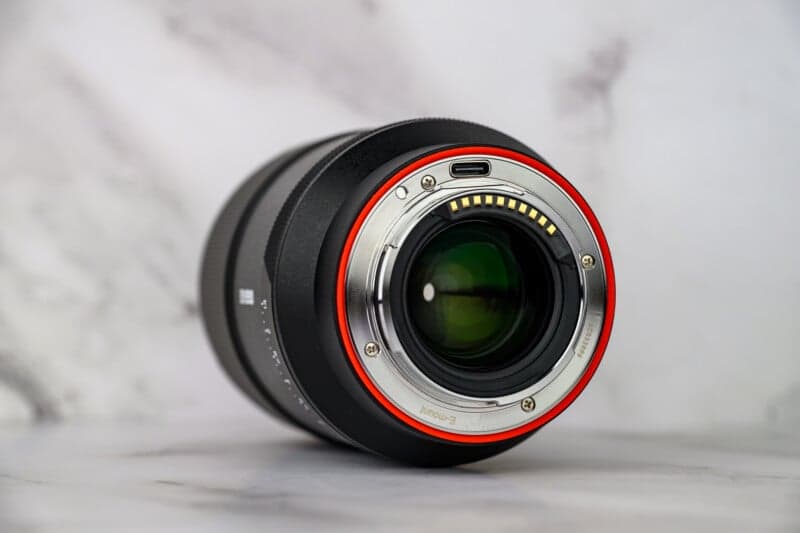
Tokina has become the latest brand forced to confront a question hanging over every photo contest in 2026: can a judging panel still tell a human-made image from one shaped by AI tools? The lens maker pulled its originally announced overall winner from its 2025 monthly photo contest after a Reddit post in r/cameras accused the image of being AI-generated, then named Lee Nuttall of the United Kingdom as the new overall champion.
Tokina’s April 15 announcement said the overall winner was selected from 12 monthly winners by employees working across developing, manufacturing, logistics and sales. It also said the replaced image had been disqualified for a violation of contest rules and that the company would add more checkpoints before final decisions are made. The new champion receives a Grand PRIX prize of one of Tokina’s current selling lenses. Tokina also named Miquel Angel Ferreres Coll of Spain as the Community Choice winner, underscoring that the contest ran inside its Facebook Tokina Lens Photo Community.
The controversy spread after Reddit users said the winning fishing scene looked too inconsistent to be real and pointed to an invisible SynthID watermark. Google DeepMind describes SynthID as a watermarking system for AI-generated or AI-altered content, embedded in images and designed to survive common edits such as cropping and compression. That still leaves room for interpretation: some Reddit users argued the mark could reflect ordinary AI-assisted editing, such as object removal or upscaling, rather than a fully synthetic frame.
Abu Elias, the photographer named in the debate, is from Oman, and PetaPixel noted that a video on his YouTube page appears to show the same fishing scene. That detail matters because it shifts the question from simple fraud to a harder contest problem: where exactly does acceptable post-processing end when AI tools are already built into many workflows?
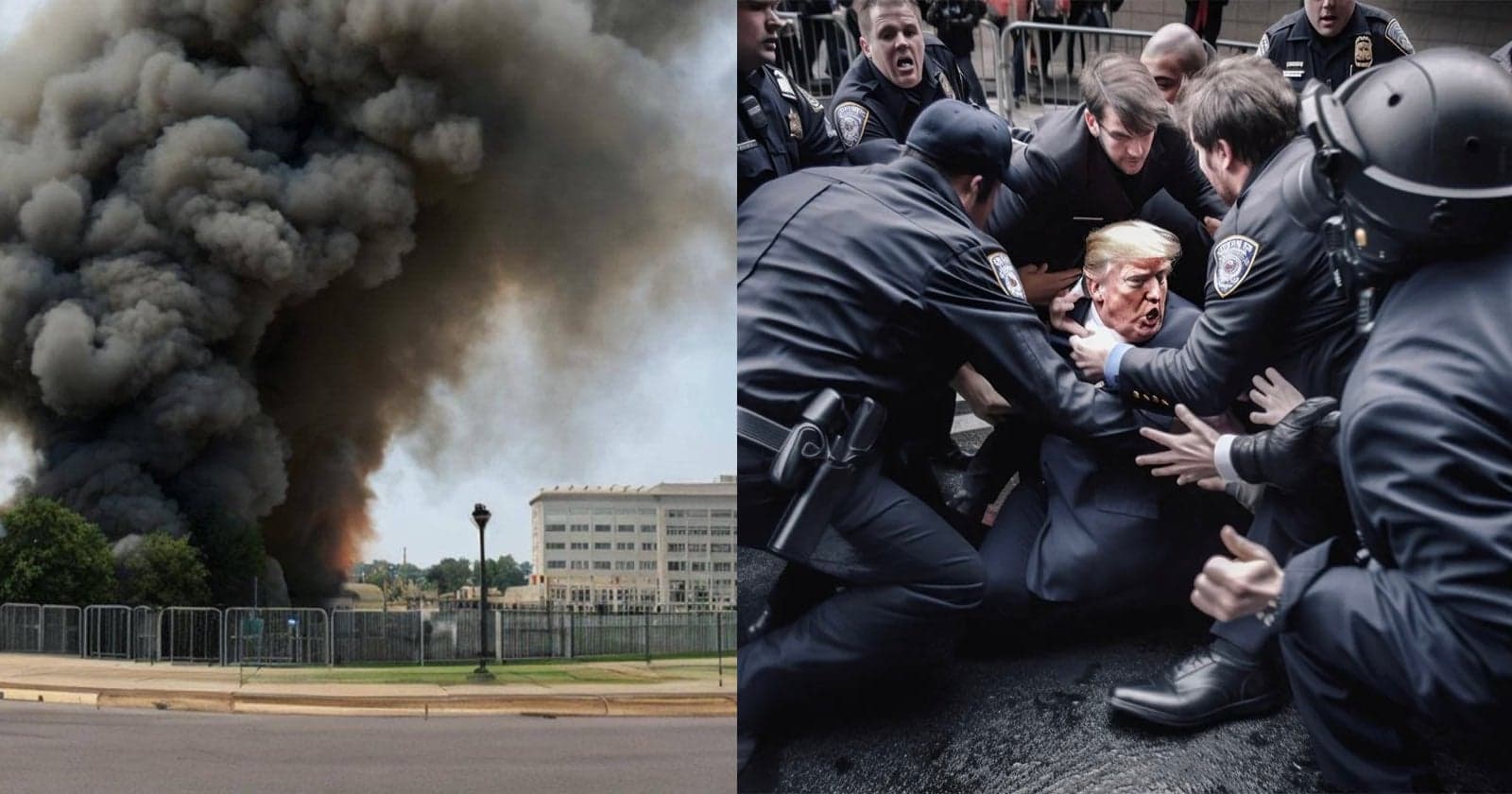
The red flags here are the ones judges and brands keep missing. If a contest allows heavy digital work but does not demand RAW files, a transparent edit log, or a clear line between conventional retouching and AI-assisted manipulation, the result can look legitimate until the community picks it apart. Digital forensics expert Hany Farid has warned that demand for authentication is rising fast because of generative AI, calling it “a global war for truth.”
Tokina’s reversal fits a longer pattern. African Geographic disqualified Björn Persson’s 2019 wildlife winner after viewers spotted altered elephant ears, and in 2024 another photographer was disqualified from an AI image contest after entering a real photograph. The message for brand-run contests is blunt: if the judging process cannot verify authorship and editing, the prize may still go to the right image, but not for the reasons anyone thinks.
This article was produced by Prism’s automated news system from verified source data, official records, and press releases, then run through automated quality and moderation checks before publishing. The system is built and supervised by the people who set the standards it runs under. Read our full AI policy.
Did this article answer your question?