VSCO launches campaign to defend human-made photography amid AI rise
VSCO’s new campaign leans on film and DSLR work to make a simple point: in an AI-saturated feed, the human behind the frame matters more than ever.
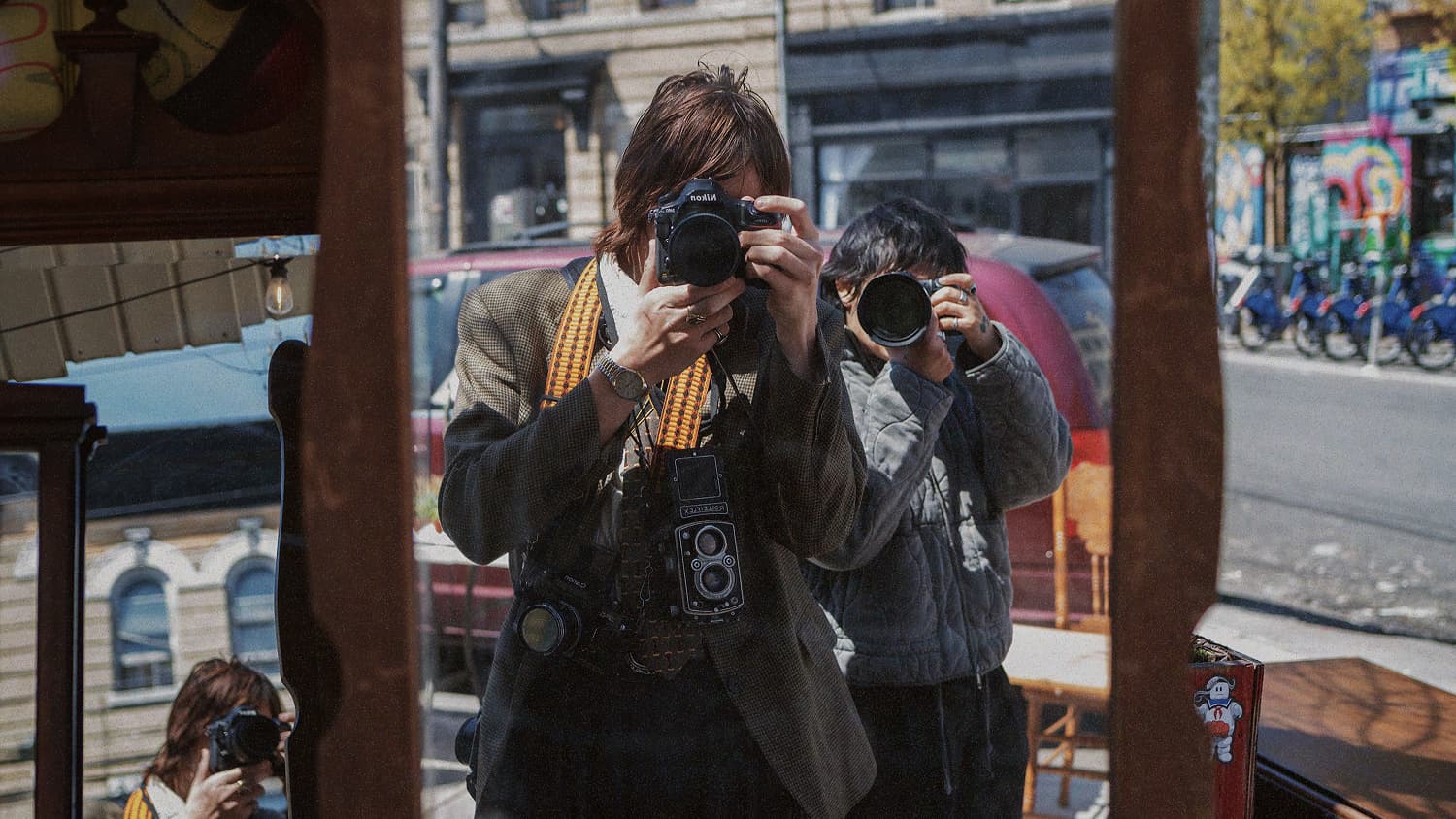
VSCO turned to digital, 35mm, and medium-format film in its latest campaign, using the camera choice itself as the argument. The company is trying to reassert human-made photography at a moment when realistic AI images are multiplying and social feeds keep rewarding speed over craft.
The campaign, launched May 12, centered on two New York photographers, Jared Thomas Tapy and Ivana Cajina, both longtime VSCO collaborators. VSCO said the brief was for photographers to document one another, a setup meant to spotlight perspective, voice, and personal observation rather than a polished studio message. Tapy and Cajina were selected for their distinct visual styles, and the mix of film and digital formats made the point plain: photography is not just the finished frame, but the choices that lead to it.
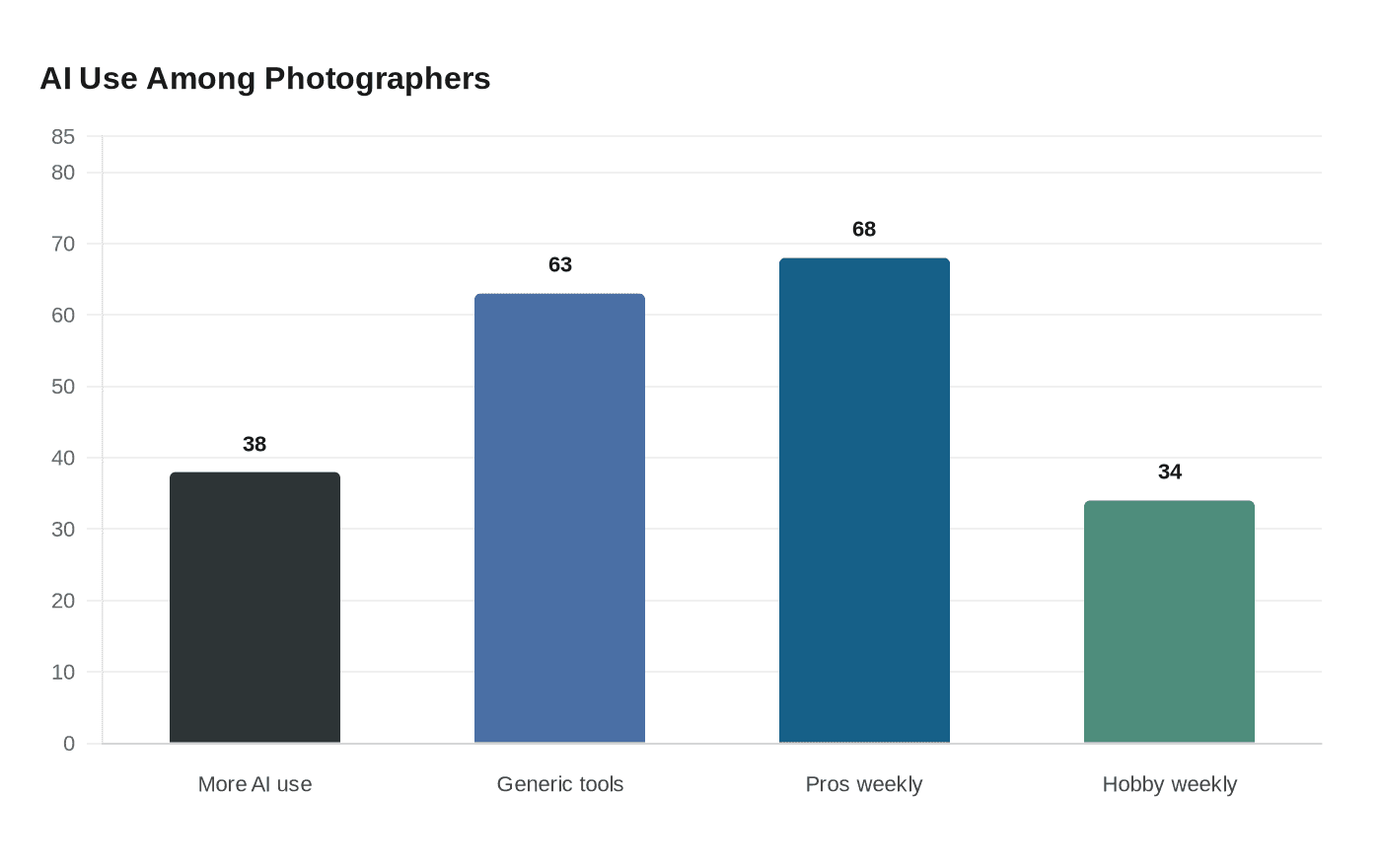
That message lands against hard numbers from VSCO’s 2026 AI research. In a survey of 401 photographers, 38% said they were using AI more than they had the previous year, while 63% said they use generic tools such as ChatGPT or Claude. Among professionals, 68% said they use AI at least weekly; among hobbyists, the figure was 34%. VSCO said the adoption spans wedding, landscape, and portrait work, and that many photographers are using AI for repetitive or mundane tasks instead of for the creative core of image-making.

That nuance is what makes VSCO’s campaign more than a brand exercise. The company is not rejecting AI outright. It also runs AI Lab, its AI photo-editing product, which offers text-prompt edits, object removal, and upscaling. But VSCO’s public framing has been clear: this is a defining moment for the industry, when algorithms can churn out endless images and still favor likes and trends over originality and craft.
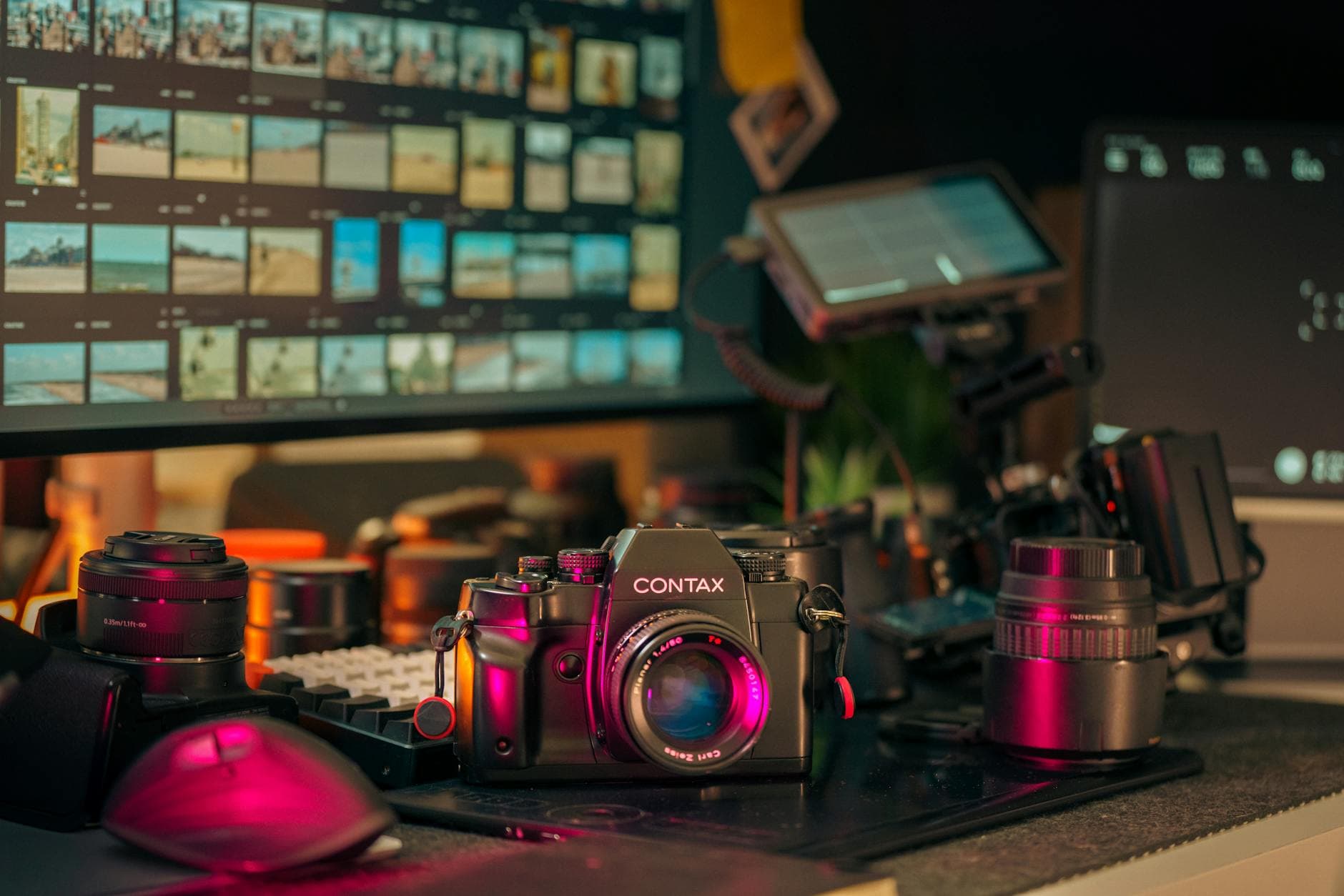
For hobbyists, that tension is practical, not abstract. The signal of credibility may shift toward visible process, not just a strong final JPEG. A camera bag that includes a film body, a careful editing workflow, and a clear point of view may start carrying more status in communities that want proof an image was made by a person, not assembled by software. VSCO’s latest move suggests the debate is no longer whether AI belongs in photography, but where the line sits between assistance and authorship. As the feed gets faster and the images get easier to make, the value of a deliberate human eye only gets louder.
This article was produced by Prism’s automated news system from verified source data, official records, and press releases, then run through automated quality and moderation checks before publishing. The system is built and supervised by the people who set the standards it runs under. Read our full AI policy.
Did this article answer your question?