Really Right Stuff launches cheaper Core Line tripods with in-house carbon fiber
RRS's Core Line cuts pricing by about 30% versus Mk2 tripods, but the bigger shift is in-house carbon fiber from Lehi and a $795 entry point.
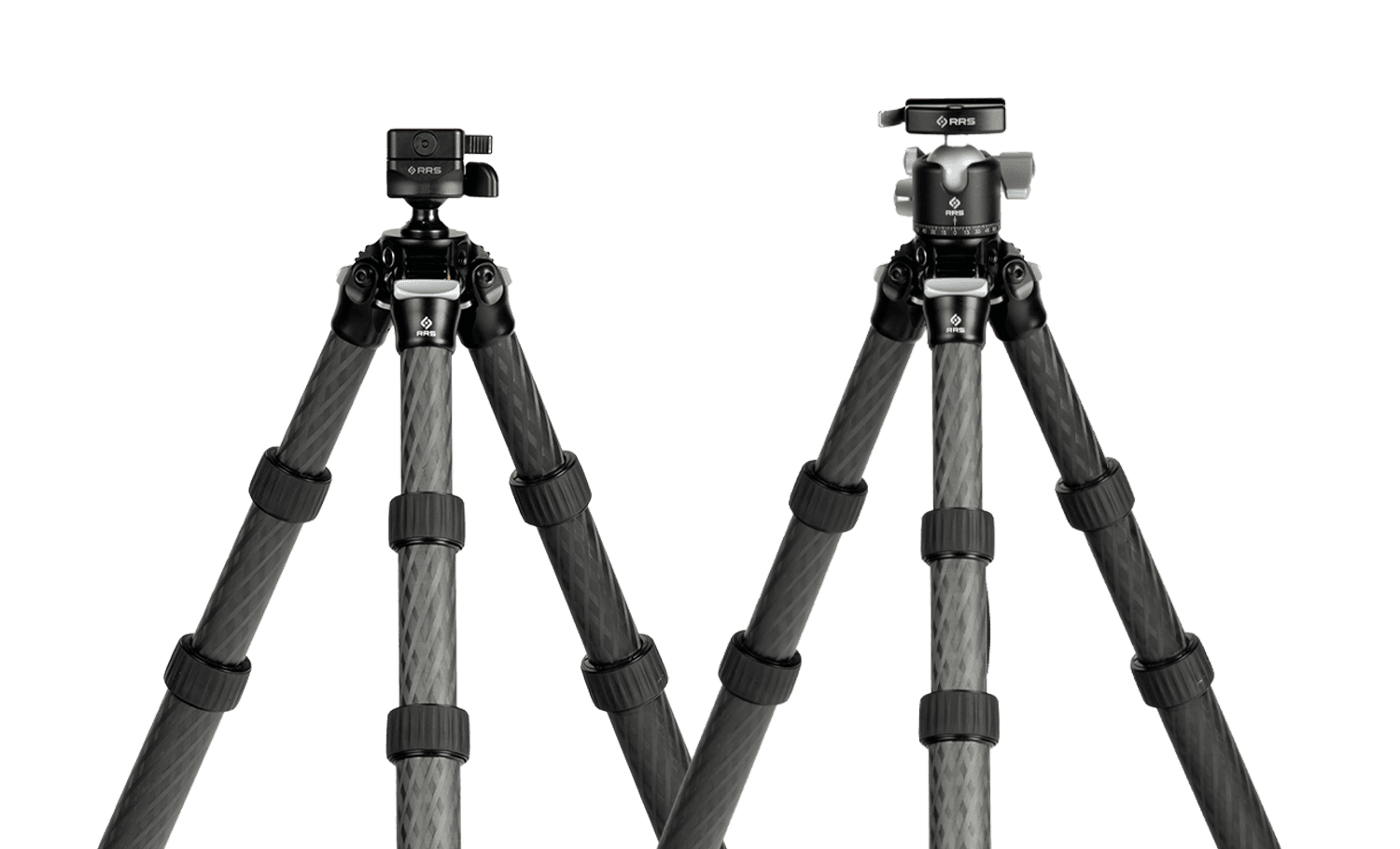
Really Right Stuff did not suddenly make tripods cheap. It made its first serious move to widen the door into premium support gear, with the new Core Line starting at $795 for the Benchmark Inverted and $945 for the standard Benchmark. That still keeps the line firmly in luxury territory, but it brings RRS down to a lower rung than its Mk2 family, with the company saying the new series averages about 30% less than comparable models.
The Core Line landed after five years of development and marked a manufacturing change that matters more than the sticker price. RRS said it brought the entire carbon fiber process in-house at its Lehi, Utah facility, from raw fiber to final tube design. The company framed that as a way to lower manufacturing costs while protecting the precision and durability that made its name. RRS also pointed to its direct-to-consumer model as part of the math, saying it trims markup and brings the line back to its roots.
The two new tripods split the difference between familiar RRS design language and a more field-friendly rethink. The Benchmark uses a more traditional four-section layout, while the Benchmark Inverted uses a three-section inverted design with twist locks placed higher on the legs. RRS said that keeps the controls farther from dirt, sand, snow, and water, reduces exposed components, and keeps weight, balance, and control closer to the user’s hands. The Benchmark also adds four leg-angle positions, 24, 44, 64, and 84 degrees, plus wider magnetic pull tabs meant to be easier to grab with gloves on.
RRS built the apex to play nicely with the rest of its support ecosystem. The Benchmark apex connects to full-size heads from the BH-25 to the BH-55, as well as the PG-02 and ANVIL-30, and it includes a QD socket and multiple accessory ports. That makes the Core Line less like a stripped-down entry product and more like a modular bridge into the rest of the RRS system.
Pricing on the bundled kits shows exactly where RRS is drawing the line. The Benchmark paired with the BH-40 LR II or Anvil-30 ARC is listed at $1,290, while the Benchmark Inverted with the BH-40 LR II comes in at $1,215 and the Benchmark Inverted with the Anvil-30 ARC at $1,150. RRS is still selling premium stability for photographers, videographers, hunters, and competition shooters. The difference is that it is now trying to make that stability a little less exclusive, without giving up the premium ecosystem that sits behind it.
This article was produced by Prism’s automated news system from verified source data, official records, and press releases, then run through automated quality and moderation checks before publishing. The system is built and supervised by the people who set the standards it runs under. Read our full AI policy.
Did this article answer your question?