Willem Verbeeck and the Value of Moving Slower
In a photography culture that often rewards speed, gear, and endless content, Willem Verbeeck stands out for a different reason. His work keeps returning to patience, atmosphere, and the feeling that a photograph should be lived with, not just consumed for a second and forgotten.
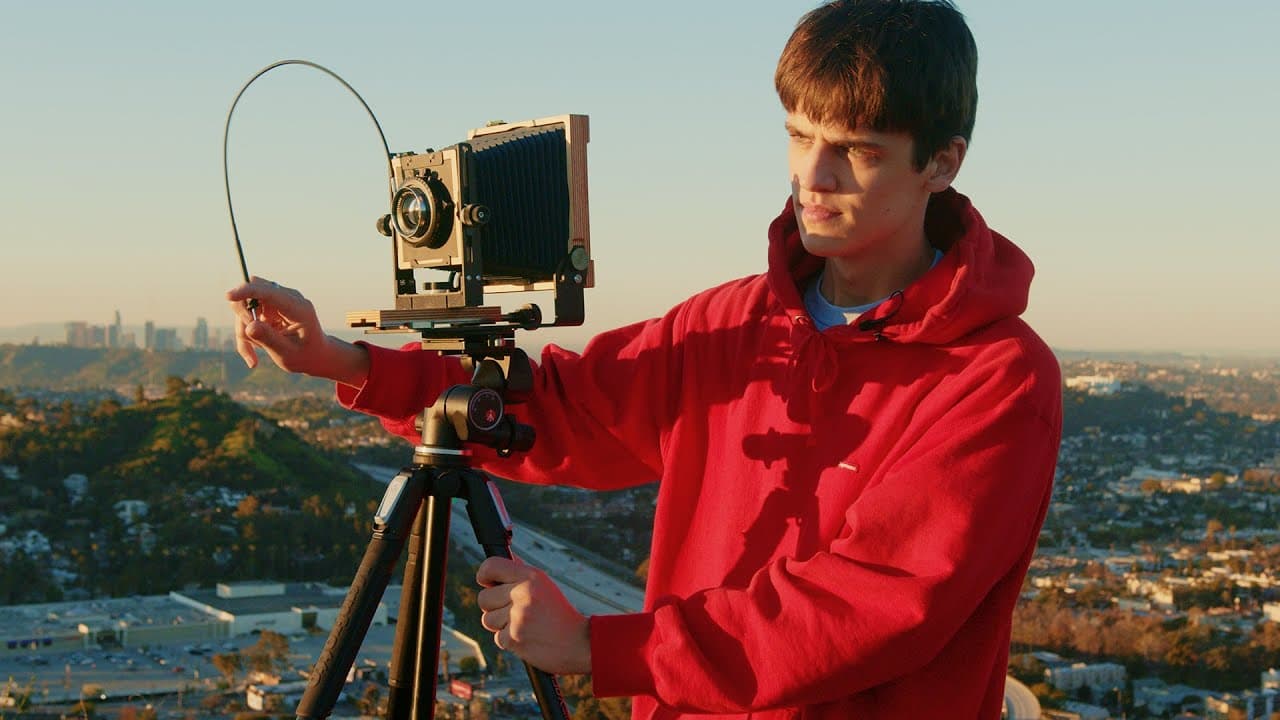
A lot of photographers become known because they are good at explaining cameras. Verbeeck became interesting because he used the internet to talk about something harder to explain. He pushed back against the idea that photography content should be built mostly around specs, reviews, and the constant chase for better equipment. In an earlier interview, he said he wanted to focus on the artistic side of photography and on process rather than technical lists. That choice still feels like the key to understanding his work today. He is a Belgian photographer based in Los Angeles, and his portfolio places equal weight on personal projects and commissioned work, which already says a lot about how he sees the medium.
That is the real angle with Verbeeck. The story is not that he shoots film. Plenty of people shoot film. The story is that he treats photography as a way to slow down enough to actually notice the world. Film, in his hands, is not a trend or a label. It is a method for putting pressure on attention. It asks him to pause, to frame with care, and to accept that not every moment should be captured in many different versions. In a time when so much image making feels fast, disposable, and slightly anxious, that approach gives his work a quiet kind of resistance.
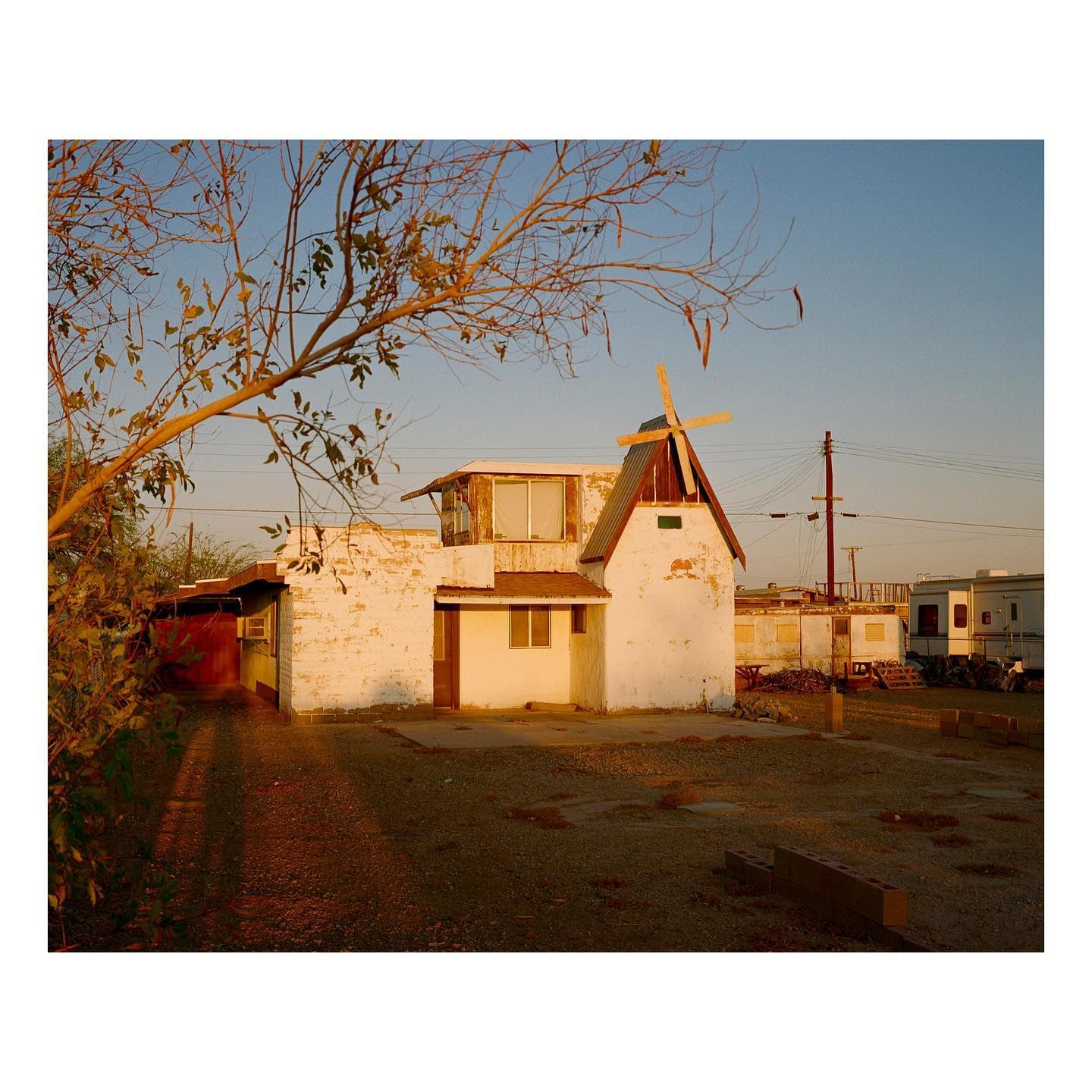
You can see this in the way his pictures hold on to mood. He is often drawn to places that could easily be photographed in a louder or more obvious way, but he tends to move in the other direction. He looks for stillness instead of spectacle. He is interested in empty space, in weather, in color that feels remembered rather than announced, and in scenes that look simple until you spend time with them. His photographs often feel like frames from a film that never explains itself completely. That sense of restraint is part of what makes them stay in your head.
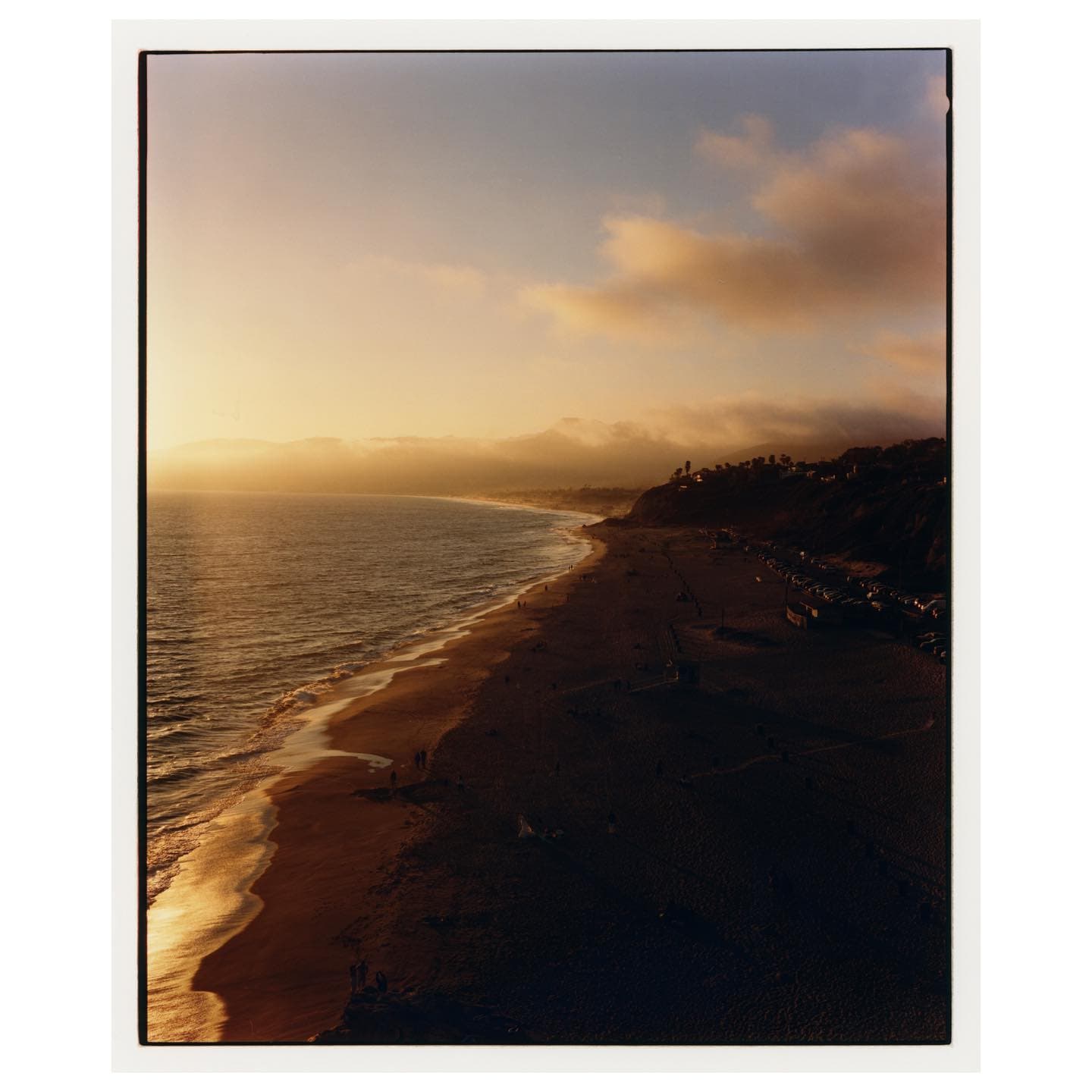
His projects also show that he is not chasing one easy visual formula. Walking Svalbard turned the dark season in Longyearbyen into a quiet and almost haunted body of work. On the Sunny Side of the Street moved through a different emotional register, warmer and more human, but still shaped by sequence, pacing, and atmosphere. His work in Los Angeles has included plant nurseries under power lines and apartment signs photographed for the Los Angeles Times. These are not random subjects. They suggest someone who understands that photography becomes richer when it takes ordinary places seriously.
That matters because one of the easiest traps in photography is to confuse beauty with importance. A dramatic landscape, a fashionable subject, or a rare camera can create instant attention. Verbeeck often seems more interested in whether a place can keep revealing itself over time. That is a harder question, and a more serious one. It asks for repetition. It asks for returning. It asks whether a photographer can build meaning not only through a single strong image, but through a body of work that deepens as it unfolds.
Print plays a big role in that. Verbeeck has spoken about how meaningful it was to see his work in print for the first time, and how deeply that experience shaped him. That helps explain why books and zines are not a side project in his world. They are central. A printed sequence forces a photographer to think beyond the isolated image. It creates questions about rhythm, editing, order, and emotional movement. Once you notice that, his work starts to make even more sense. He is not just trying to make beautiful frames. He is trying to build photographic experiences that have shape.
There is also something important about the way he has used video. A lot of creators in photography end up making content that slowly replaces the photography itself. The channel becomes the product, and the photographs become proof that the creator is qualified to keep talking. Verbeeck has generally avoided that by making process part of the practice rather than a distraction from it. Even his content suggests that he is still interested in conversations about seeing, editing, projects, and artistic development, not just in feeding an algorithm.
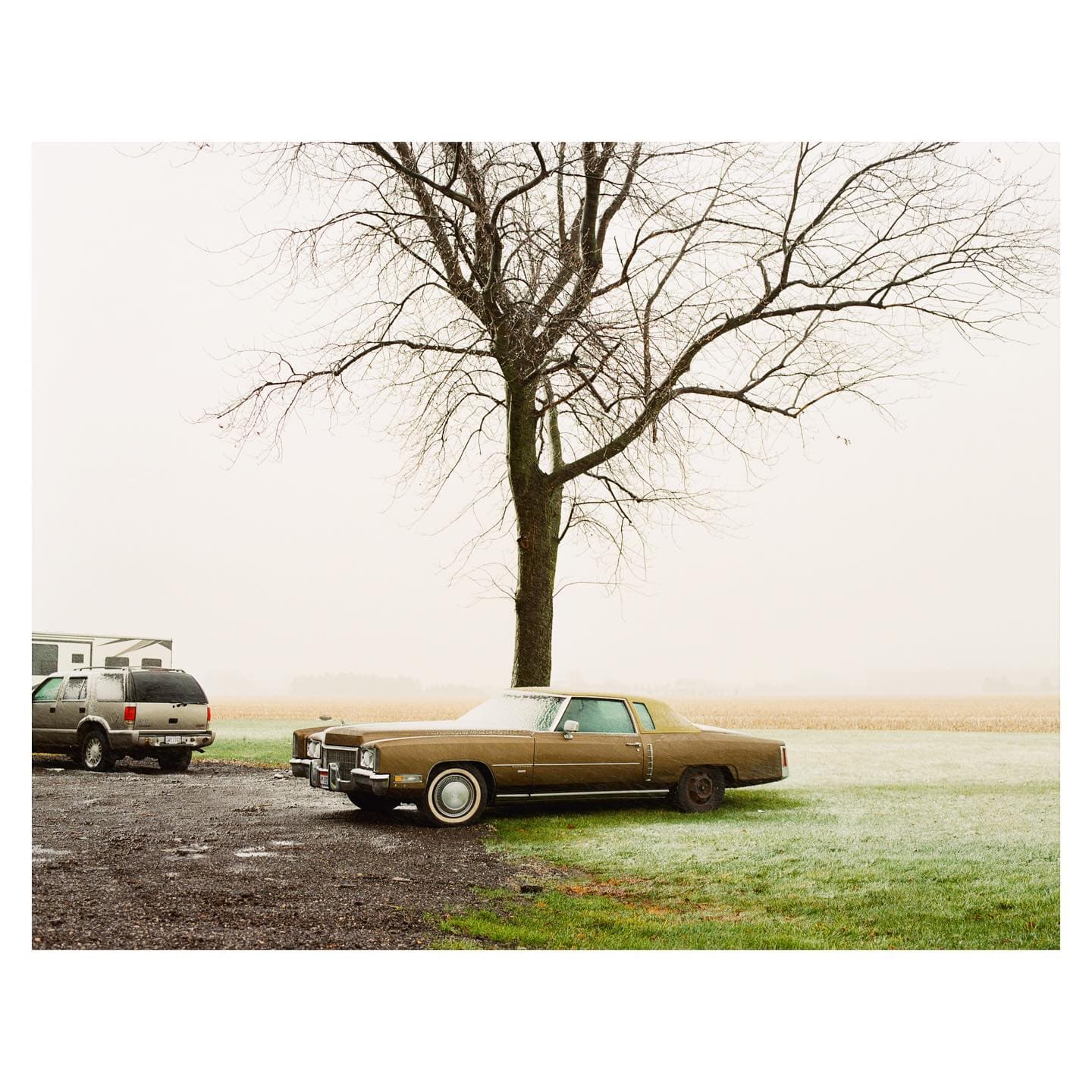
That may be why his work lands so well with younger photographers. He offers an alternative to the most exhausting parts of online creative culture. He does not present photography as a race to own the right tools, crack the right style, or build the right visual identity overnight. Instead, he makes it look like something slower, more personal, and more honest. Something built through long walks, repeated looking, printed pages, and the willingness to let a place shape you before you try to shape it into content.
There is a deeper lesson in that. Photography today has never been more available, but attention has rarely been under this much pressure. Everyone can make images. Far fewer people can stay with an image long enough to ask what it is really doing. Verbeeck’s work keeps returning to that gap. It argues, quietly but clearly, that a meaningful photograph is not only about what you saw. It is about how long you were willing to stay with it.

That is what gives his work weight. Not nostalgia. Not film for the sake of film. Not internet popularity. What makes Willem Verbeeck worth writing about is that he has built a recognizable photographic world around patience. He reminds viewers that slowness is not a weakness in photography. It may be one of the last real advantages left.
And maybe that is why his work feels larger than the category it is often placed in. He is sometimes described as a film photographer, a creator on YouTube, or a maker of books and zines. All of that is true, but none of it is the full story. What he really documents, again and again, is the value of staying present long enough for a place to stop being background and start becoming subject. In that sense, his photographs are not really about old cameras or romantic process. They are about learning how to look with more care.
Know something we missed? Have a correction or additional information?
Submit a Tip

