data-driven paddle testing crowns spin leaders in pickleball
Spin is no longer a bragging right, it is a buying filter. JustPaddles’ new Paddle Lab shows which paddles shape the ball, and which players may be paying for more than they need.
Why spin matters more than the hype
Spin has moved from a nice extra to one of the clearest ways players separate good paddles from great fits. The latest paddle testing from JustPaddles treats that shift as a measurable reality, not a marketing slogan, and the result is a seven-paddle spin leaderboard that says as much about modern pickleball habits as it does about equipment. For retreat players, league regulars, and clinic attendees, the message is simple: if your game lives on ball control, third-shot shape, and disguise at the kitchen, spin now belongs in the same conversation as power and sweet spot.
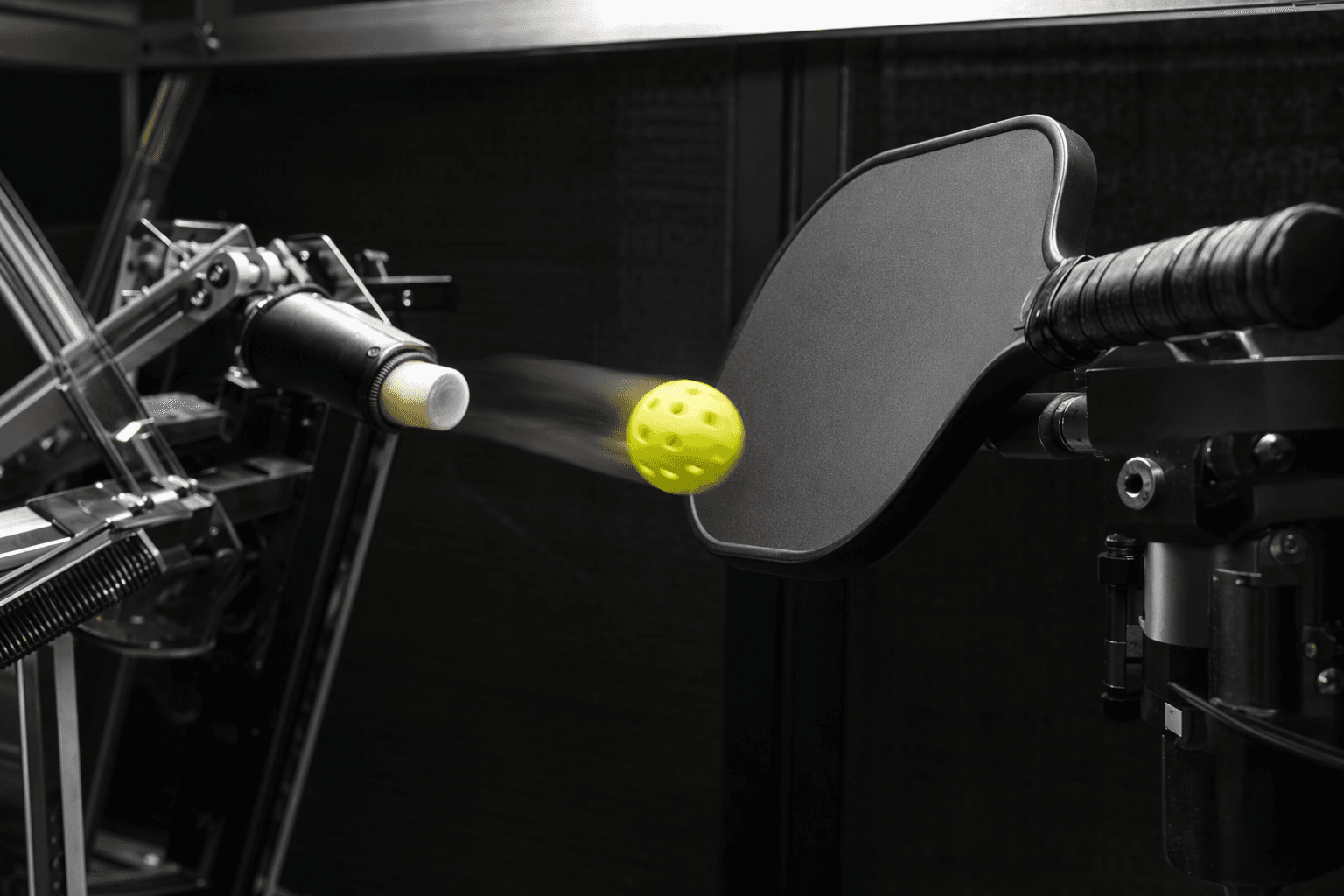
What makes this story different is the testing framework behind it. JustPaddles, based in Kansas City, Missouri, says its Paddle Lab is a proprietary in-house system designed to bring objective data into paddle evaluation. Rather than leaning on brand reputation or pro-team buzz, it measures paddles the same way every time, using the same type of pickleball for each test. That matters in a sport where small equipment differences can feel huge once the match gets fast and the hands battle starts.
What Paddle Lab actually measures
Paddle Lab looks at six metrics: exit velocity, swing weight, spin rate, twist weight, consistency, and balance point. That combination gives a fuller picture than spin alone. A paddle can show high RPMs and still feel demanding in a long retreat session if the swing weight is too heavy, or unstable on off-center contact if twist weight works against you.
For recreational players, that is the useful lesson hidden inside the numbers. Spin does not live in a vacuum. A paddle that creates big RPM can still be a poor match if it makes resets harder, drains your arm, or asks too much timing from a mixed-skill doubles group. The best spin paddle for a weekend retreat is not necessarily the one that tests highest. It is the one that helps you shape the ball without turning every dink exchange into a technical project.
The spin leaders point to a broader market shift
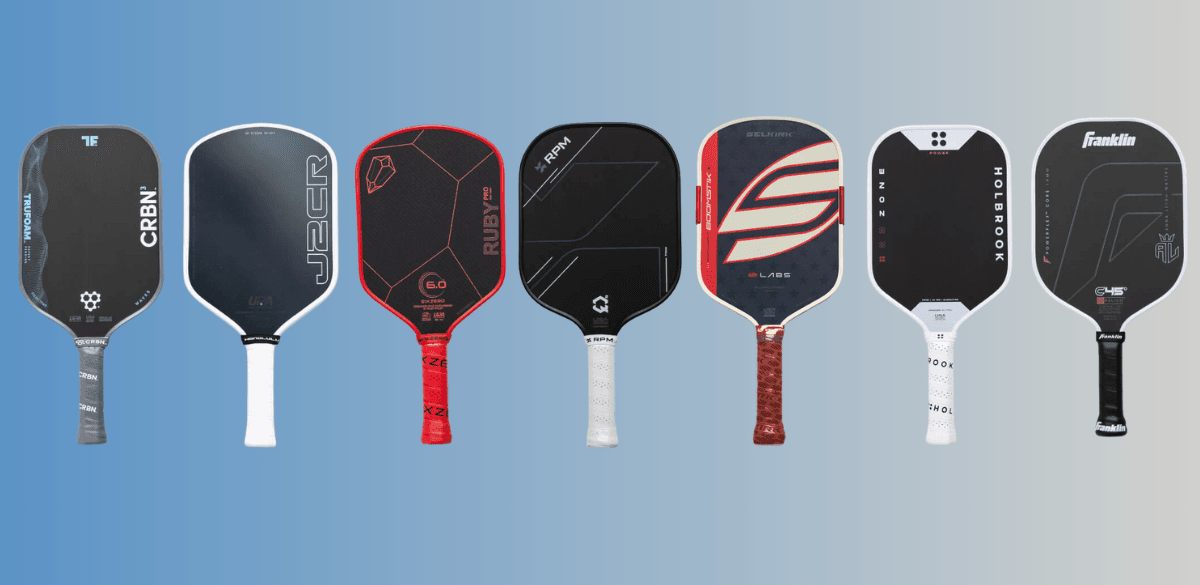
The seven paddles highlighted by The Dink come from a spread of brands that now define the upper tier of the sport, including CRBN, Honolulu, Selkirk, RPM, Six Zero, Holbrook, and Franklin. That mix matters because it shows spin is not trapped in one brand family or one price point. JustPaddles’ Paddle Lab data page places spin-related paddles in a range from about $99.95 to $333, with several high-spin models clustered around the $200 to $280 band.
For buyers, that is both reassuring and cautionary. Reassuring, because you do not have to chase the absolute top sticker price to enter the spin conversation. Cautionary, because the climb from mid-tier to premium can tempt players into overbuying features they are unlikely to use. If your retreat game is built around steady doubles patterns, reliable blocks, and controlled drives, a slightly lower-spin paddle with better forgiveness may help more than a flagship model designed to wring every last RPM from a topspin roll.
Who benefits most from high-spin paddles
High-spin paddles make the most sense for players who already use shape as part of their identity. That includes aggressive third-shot drivers, players who lean on dipping rolls from the baseline, and doubles partners who like to attack with margin, not just pace. In a clinic setting, those paddles can make topspin easier to access and give serves, rolls, and counters a little more bite.
They are less automatically helpful for players still building touch. In retreat-style play, where you often rotate through mixed partners and face all kinds of pace, a spin-heavy paddle can punish late contact and reward good mechanics more than it rescues bad ones. If you mostly need clean resets, soft hands, and a forgiving response on blocks, chasing the top RPM number can become an expensive detour.
How the testing era fits the way pickleball is changing
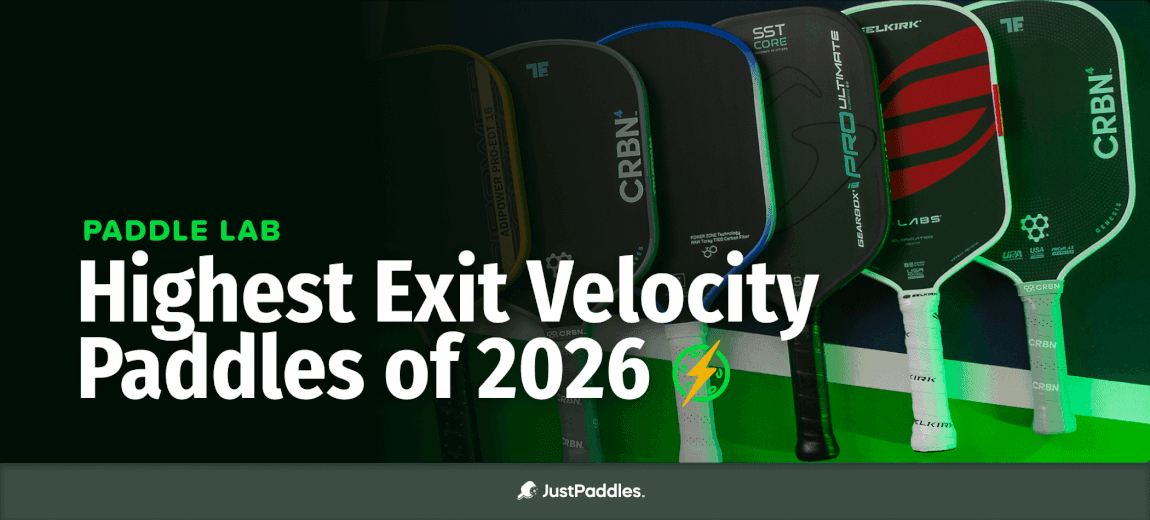
The broader takeaway from the Paddle Lab story is that the sport’s equipment conversation has matured. The era of pure power paddles has given way to something more nuanced, where control, finesse, and ball shaping matter just as much as raw force. That is not just a retail trend. It changes how coaches talk about shot creation, how players compare notes after clinics, and how retreat attendees think about gear before their next trip.
JustPaddles’ science-backed approach, launched in January 2026, is part of that shift. It gives players a common language for comparing paddles across brands and price tiers, and it makes the spin category feel less like a claim and more like a number you can actually use. For a community that often buys gear based on feel, that kind of clarity can be refreshing, even if it complicates the old habit of choosing the loudest paddle in the shop.
The rulebook backdrop that keeps spin in check
All of this sits inside a rules environment that is increasingly focused on measurable equipment performance. USA Pickleball’s equipment standards say the paddle’s hitting surface cannot include holes, indentations, rough texturing, or any other feature that allows a player to impart excessive spin on the ball. The organization measures compliance through surface roughness and coefficient of friction testing, which gives the governing body a way to check whether the gear stays within the sport’s boundaries.
USA Pickleball also introduced an enhanced PBCoR standard in the fourth quarter of 2024 to measure paddle performance and limit trampoline effect. That history matters because it shows spin is not just a consumer preference, it is a regulated performance category. USA Pickleball first published its official rulebook in March 1984, and it says the rulebook is updated at the beginning of each year. It is also accepting rule change requests for the 2027 revision through June 1, 2026, with comments open through June 15, 2026.
For players, that means the equipment race is always being balanced by oversight. Paddle makers can chase better shaping, better feel, and better consistency, but the governing framework keeps those gains inside a competitive lane.
What to take into your next retreat
If you are packing for a pickleball retreat, the smartest way to read the spin data is not as a trophy list. It is a map. The high-RPM paddles from CRBN, Honolulu, Selkirk, RPM, Six Zero, Holbrook, and Franklin show where the market is headed, but your own game decides whether that direction helps or hinders you.
A spin-forward paddle is most useful when you already trust your contact, want more shape on drives and rolls, and value shot creation in doubles. It is easier to overbuy when you are still searching for forgiveness, consistency, or simple comfort over a long weekend of play. In that sense, the new testing does what good retreat coaching does too: it takes the shiny part of the game and asks the practical question underneath it.
This article was produced by Prism’s automated news system from verified source data, official records, and press releases, then run through automated quality and moderation checks before publishing. The system is built and supervised by the people who set the standards it runs under. Read our full AI policy.
Did this article answer your question?