Carbon-Fiber Insoles Could Boost Pickleball Performance, Reduce Fatigue
The paddle gets the photo op, but the insole may decide how many sessions you can really play. Carbon-fiber inserts promise less fatigue, more stability, and a tougher ride.
The overlooked piece of retreat gear
The paddle gets the photo op, but the insole is what decides whether your feet are still happy after the third session of the day. That is the angle The Dink pushes hard: in a sport built on split steps, lunges, resets, and repeated trips to the kitchen line, the support under your foot may matter more than another glossy paddle promise.
That matters even more on a pickleball retreat, where you are not just playing one morning block and calling it good. You are stacking sessions, social play, drills, maybe a round robin after lunch, then doing it again the next day. A small gain in comfort or stability can be the difference between staying sharp through dinner and limping into the last court block.
What VKTRY is trying to do differently
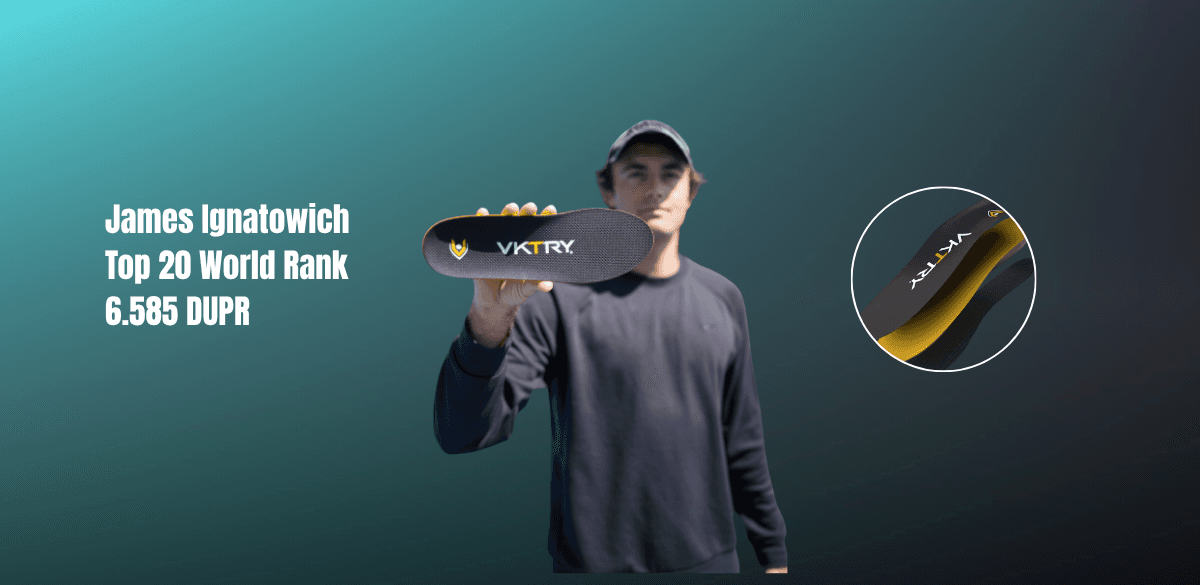
VKTRY’s pickleball pitch is not about adding more cushion for the sake of softness. Its carbon-fiber baseplate is built to stabilize the foot and lower leg, reduce twisting or torquing forces, and return energy with each step. The company also says the insole can be customized by weight and activity type, which is a more targeted claim than the usual one-size-fits-all insert.
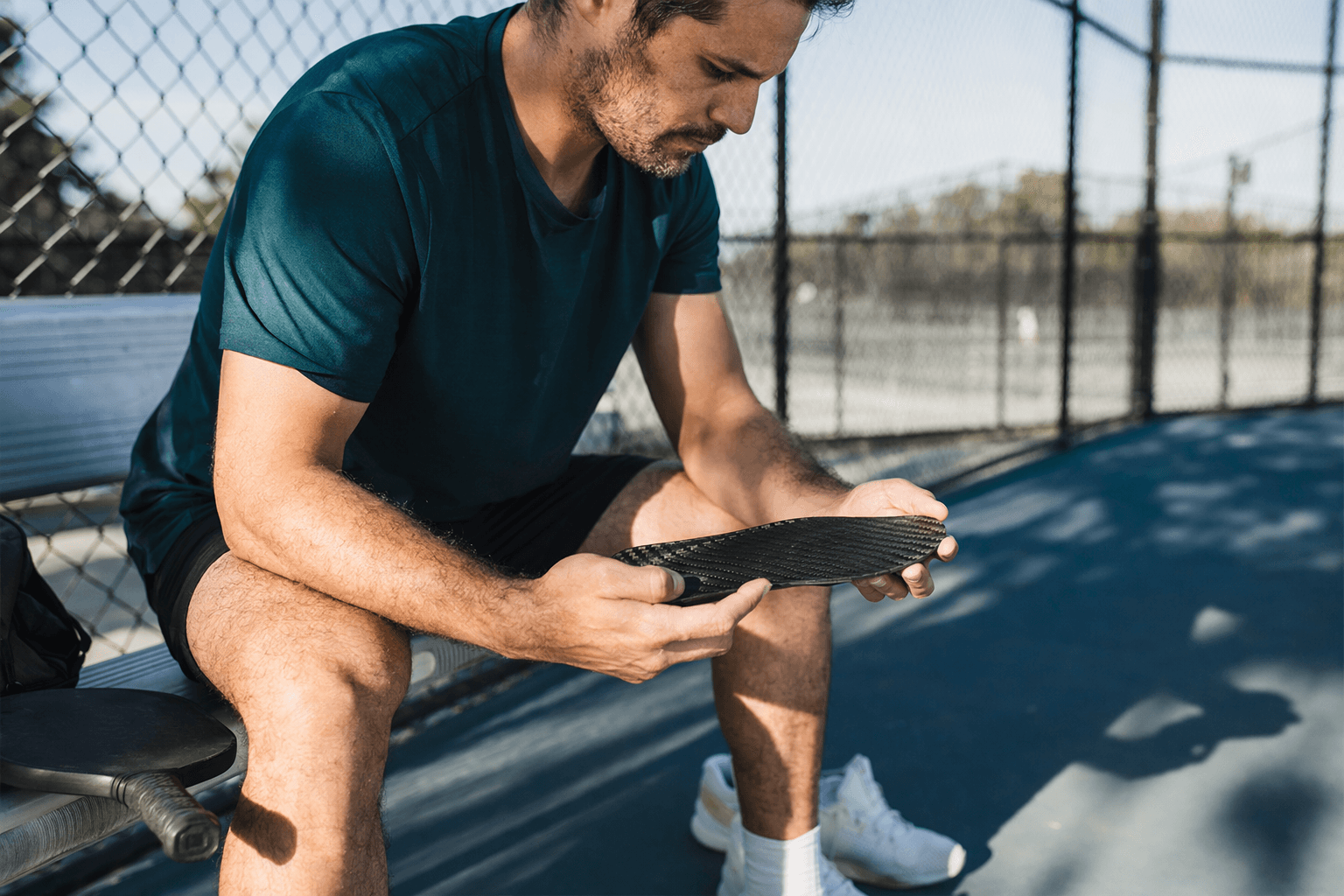
The shape is part of the argument too. VKTRY says the carbon plate is curved to mirror the foot rather than sitting flat, a design choice meant to change how pressure loads through the shoe. In plain terms, this is not trying to feel like a memory-foam pillow. It is trying to feel responsive, controlled, and efficient when your feet are working hard.
Why retreat players should care about the injury picture
The reason this category gets attention is simple: pickleball is doing a number on lower bodies. USA Pickleball’s 2025 Annual Growth Report says the Pickleheads database reached 82,613 known courts nationwide, with 14,155 new courts added in 2024 and more than 2,300 new locations added in 2025. As the court count climbs, so does the interest in gear that promises better movement and fewer breakdowns.
The injury data makes the case even louder. A retrospective foot-and-ankle study identified 198 pickleball-related injuries and reported a 6.5-fold increase in annual incidence from 2019 to 2023. The mean patient age was 58.3, and 77.8% of those injuries were traumatic. Another study using National Electronic Injury Surveillance System data found pickleball-related fractures increased by more than 11-fold from 2010 to 2019.
That fits what players already feel on court. Reviews of pickleball injuries point to acute problems that come from falls or sudden turning and pivoting, and elite-player research says lower-extremity sprains are the most prevalent injury. Return-to-play can be quick for some athletes and take months for others, which is exactly why anything affecting stability gets a closer look.
What the science suggests, and what it does not
This is where the insole conversation gets interesting. A peer-reviewed study found carbon-fiber insoles affected sports performance, lower-extremity muscle activity, and comfort. Another paper on insole friction found faster change-of-direction performance with a higher-friction insole than with a regular one. That does not mean every carbon insert is magic, but it does show that what sits inside the shoe can change how the body moves.
For pickleball, that matters because the sport rewards short, repeated bursts more than long cruising strides. You brake, reload, push laterally, and do it again, often within a few feet of the kitchen line. If an insole helps you feel more stable during those micro-movements, the payoff may show up late in a long retreat day when fatigue usually starts to erase footwork.
VKTRY also backs its pitch with a research page that points to company-backed studies on performance, injury protection, and biomechanics, including work tied to the Korey Stringer Institute, the University of Connecticut, and Harvard Mass General Foot & Ankle Research and Innovation Laboratory in Massachusetts. That does not settle the debate, but it does show the brand is trying to speak the language of biomechanics, not just marketing gloss.
Who gets the most from premium insoles on a retreat
The best case for carbon-fiber insoles is not every player, every shoe, every trip. It is the retreat attendee who knows the difference between one fun session and three hard ones in a day. If your feet get sloppy after lunch, if your arches feel beat up by day two, or if you have a history of ankle rolls, a more supportive insert is a reasonable thing to test.
Comfort is the first filter. If an insole makes your shoe feel harsher from the first hour, it is probably not a fit for an all-day retreat, no matter what the spec sheet says. Durability is the second filter. A premium insert should keep its shape and response through repeated sessions, not flatten into dead padding after a weekend of play.
Injury prevention is the third filter, and it should be treated carefully. No insole can erase the risk that comes from sudden pivots, awkward landings, or tired legs. But when the sport’s injury patterns already point toward the feet, ankles, and lower legs, a product designed to stabilize those areas deserves a real look.
How to judge the upgrade before you pack it
A retreat is not the place to gamble on a brand-new setup without a test run. If you are considering carbon-fiber insoles, try them in the same shoes you plan to wear on court, and make sure the fit still feels locked in when you move hard laterally. The whole point is to improve efficiency without creating a new problem under the sock line.
A sensible check list looks like this:
- Do they feel supportive without making the shoe feel too rigid?
- Do they still feel good after a long drill block, not just ten minutes indoors?
- Do they reduce foot fatigue enough that your footwork stays clean in the last session?
- Do they work with your weight, movement style, and shoe shape the way the brand claims?
The real takeaway is simple: in a sport where retreat days pile on court time and tired feet can ruin good points, the layer inside the shoe is no longer an afterthought. The right insole will not replace fitness, recovery, or smart footwork, but it can keep those things working longer. That makes carbon-fiber inserts one of the few gear upgrades that can change how much of the retreat you actually get to enjoy.
This article was produced by Prism’s automated news system from verified source data, official records, and press releases, then run through automated quality and moderation checks before publishing. The system is built and supervised by the people who set the standards it runs under. Read our full AI policy.
Did this article answer your question?