Mizuno enters pickleball with adjustable weight paddle for custom feel
Mizuno’s first pickleball paddle added an adjustable weight system, letting players shift balance without DIY lead tape. The feature targeted travelers who want one paddle for drills, rec play and brackets.
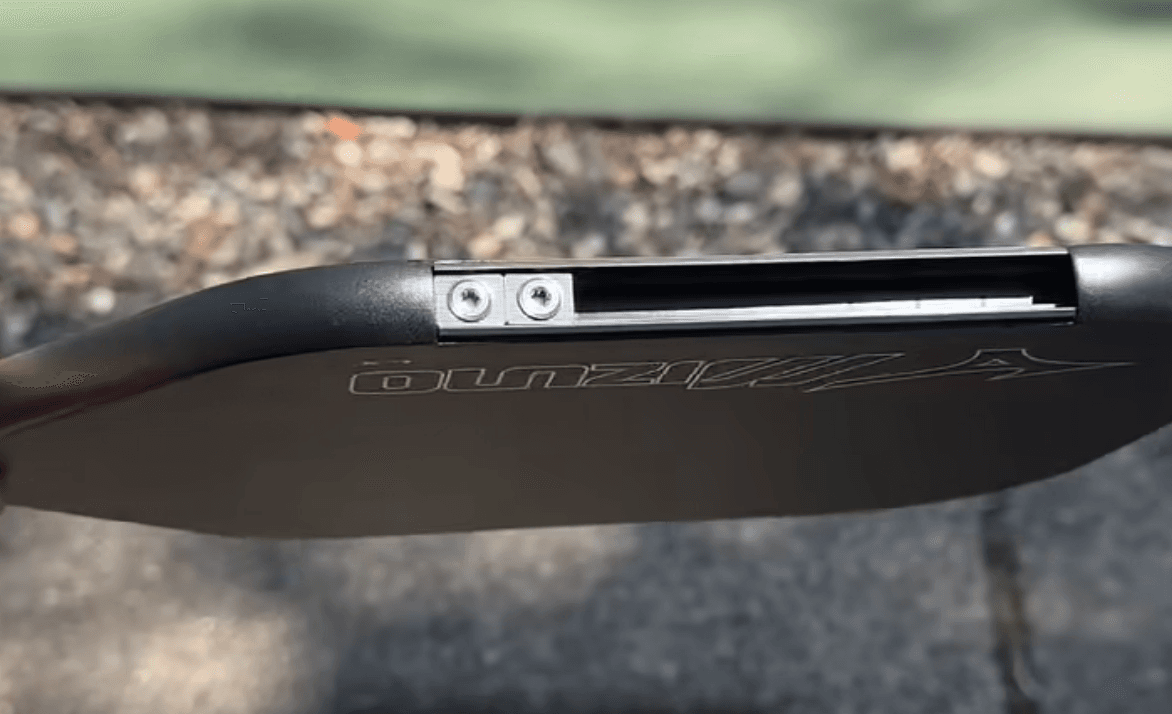
Mizuno did not enter pickleball with a gimmicky paint job or a new face texture. It entered with a paddle built around an adjustable weight system, and that immediately put the brand in the middle of one of the sport’s biggest equipment debates: how much customization actually matters once a paddle is in hand.
The first release arrived in a crowded market where brands already fight over grit, dwell time, core construction, face materials and price. Mizuno’s edgeless design gave the paddle a clean, modern look, but the real point was inside the frame. Players could slide the balance point to different positions, changing how the paddle felt without reaching for lead tape or permanently modifying a favorite setup. That kind of control has lived for years in DIY tinkering; Mizuno’s move turned it into a built-in feature.
For players who travel with one bag and one paddle, that distinction matters. A paddle that can be nudged toward more head-heavy stability for blocks, then shifted toward a more balanced feel for kitchen exchanges, fits the reality of retreat weeks and tournament weekends alike. It gives a single paddle a better shot at handling clinic drills in the morning, rec play in the afternoon and bracket matches later in the trip. Instead of packing separate sticks for control and power, a player can try to tune one frame to the day’s demands.
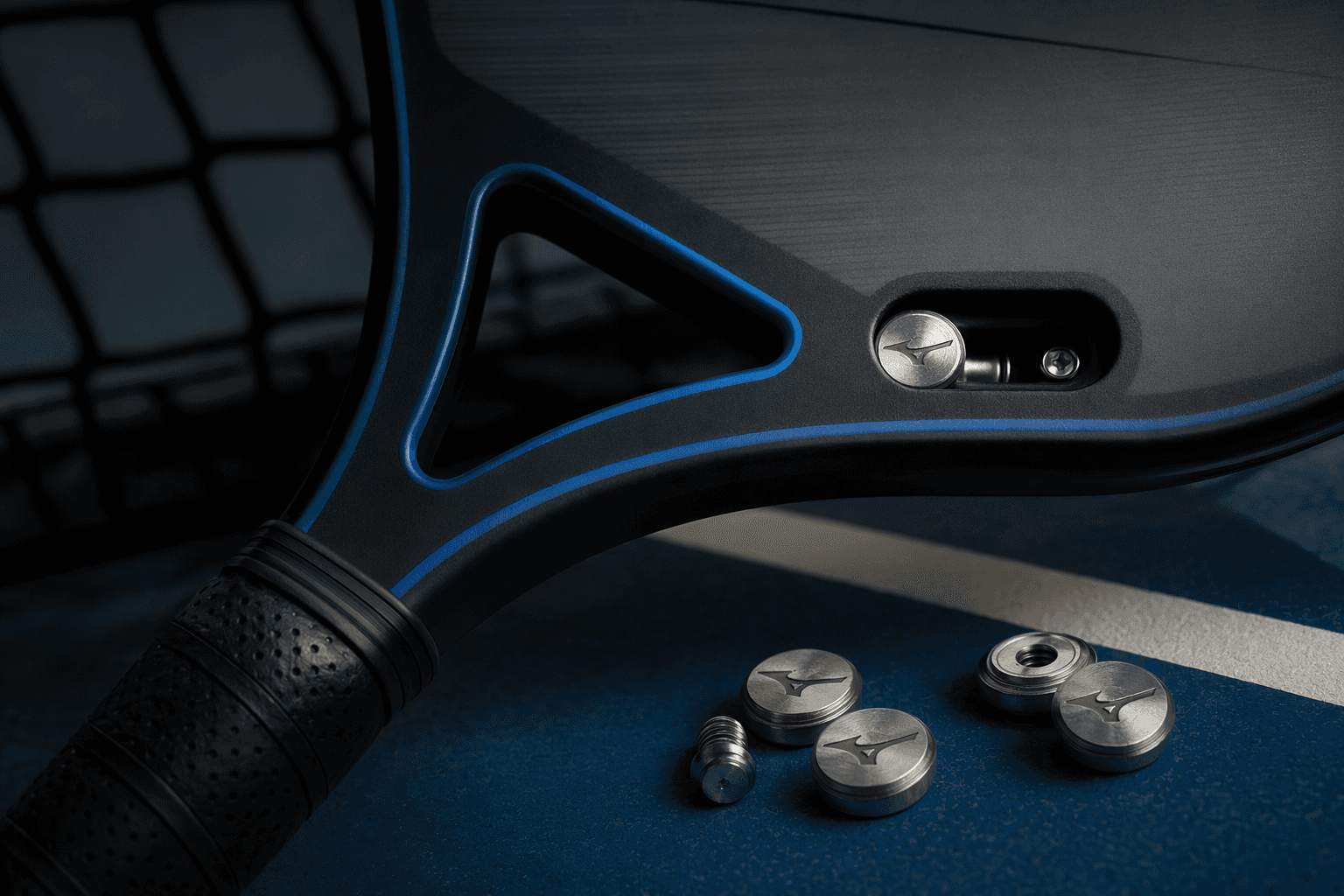
That is also why the release drew attention beyond the novelty of Mizuno’s first paddle. The company, a mainstream Japanese sporting-goods brand, chose to enter pickleball with a technically distinctive product rather than a safe, generic debut. In a sport where gear is judged ruthlessly, the idea only works if the adjustable system delivers something players can feel: more power on drives, more stability on blocks or a more comfortable balance at the kitchen. If it does not translate to better play, durability or comfort, the feature risks being brushed off as a clever add-on.
The players most likely to benefit are the ones who already know exactly what they want from a paddle, but want flexibility without buying multiple models. Competitive travelers, clinic regulars and gear tinkerers may find real value in that sliding balance point. Players who never change their setup, or who already love a locked-in feel, can probably skip the experiment and keep swinging what already works. Mizuno’s debut suggested the next equipment race may be less about one perfect paddle and more about how much a paddle can adapt once the trip begins.
This article was produced by Prism’s automated news system from verified source data, official records, and press releases, then run through automated quality and moderation checks before publishing. The system is built and supervised by the people who set the standards it runs under. Read our full AI policy.
Did this article answer your question?