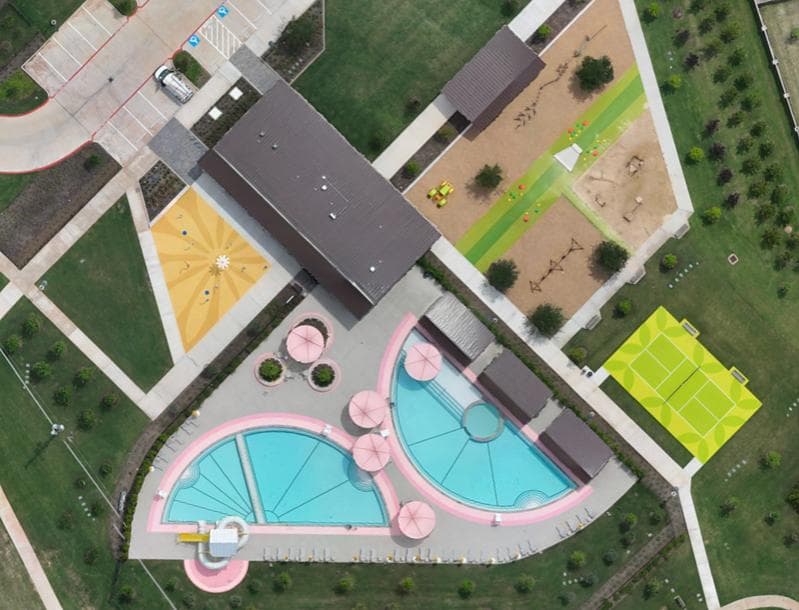
Glocester Wins $500K Grant for Six Pickleball Courts, Park Upgrades
Glocester's $500K RIDEM grant funds six new pickleball courts, but the per-court math reveals whether players are getting good builds or bare-minimum.
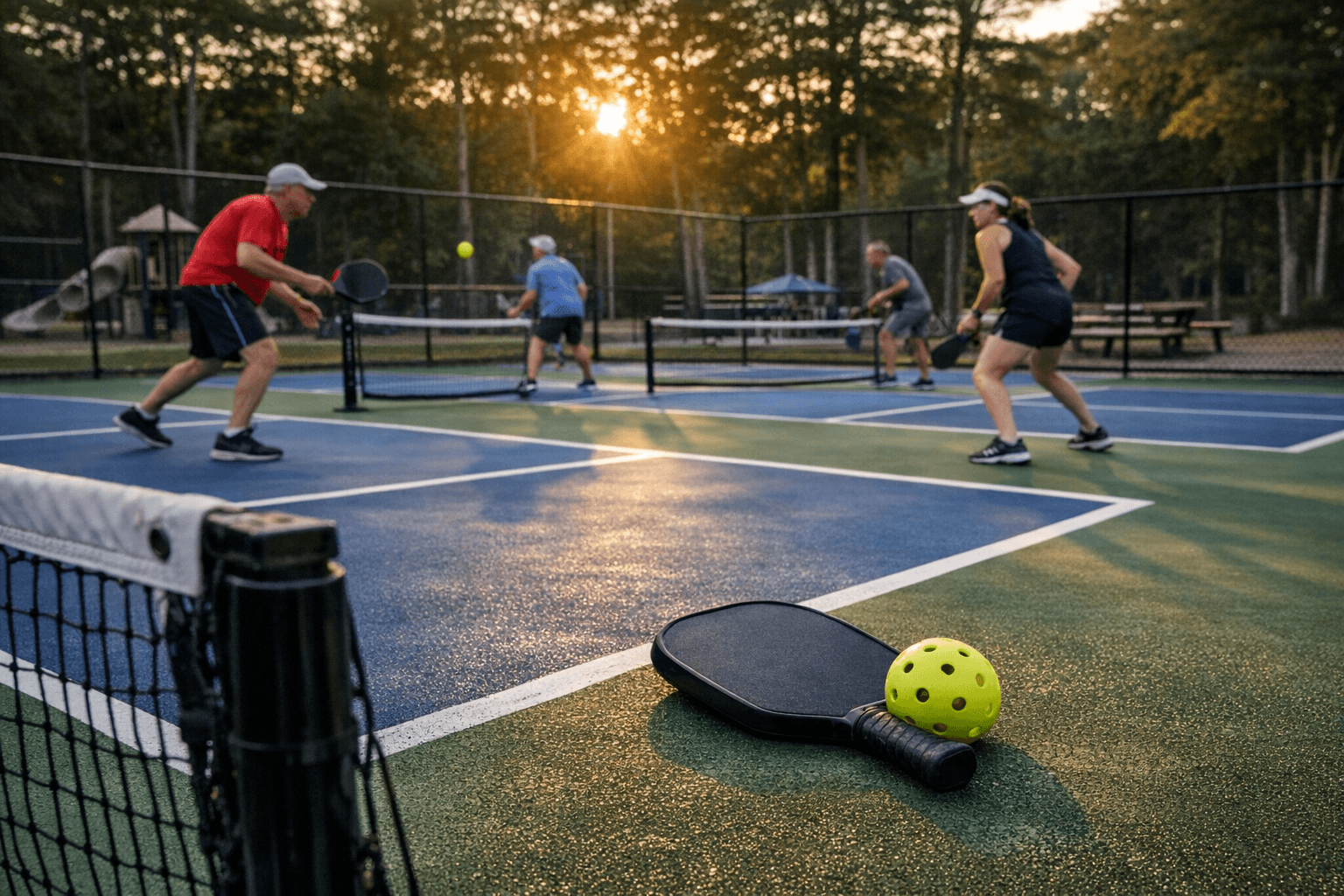
Glocester, Rhode Island just landed a $500,000 Outdoor Recreation Grant from the state's Department of Environmental Management, and for pickleball players in the region, the number that matters most is not $500,000. It is $111,111, the rough per-court figure if every dollar of the $666,667 total project budget went exclusively to the six new pickleball courts at Glocester Memorial Park. It does not, and that gap tells the real story.
Town Planner Karen Scott led the grant application through the Town Council, securing the full award from RIDEM's Recreation Development Grant Program. RIDEM Director Terry Gray noted that Glocester's award was among the largest single-project amounts in the latest round, which distributed $5.7 million across 15 municipalities statewide from a pool of 50 applications. The program has issued more than 582 grants totaling more than $96 million since 1988, funded in part through Rhode Island's 2024 Green Bond and 2016 Green Economy Bond.
The full project scope is budgeted at $666,667, with Glocester committing roughly $166,000 as the required 25 percent local match. That budget covers the six pickleball courts, a quarter-mile paved walking trail behind the Glocester Senior Center, restriping and conversion of existing tennis courts, and landscaping. Scott connected the project directly to the town's Recreation Master Plan, built on community input from 331 resident survey responses and public meetings.
Here is where the player-facing math gets instructive. Subtract a conservative estimate for the trail (paved quarter-mile municipal paths typically run $75,000 to $150,000) and landscaping plus restriping work (another $50,000 to $75,000 combined), and the courts themselves likely receive somewhere between $400,000 and $500,000 of the total budget, or roughly $67,000 to $83,000 per court. Industry benchmarks put new outdoor pickleball court construction between $28,000 and $37,500 per court for basic site development and surfacing. Finished installations with fencing, permanent nets, and acrylic color coating land between $35,000 and $80,000.
At that $67,000 to $83,000 range, Glocester is buying courts in the upper-mid tier. That budget supports solid asphalt or post-tension concrete construction, an acrylic surface coating, permanent regulation nets, and perimeter fencing. What it probably does not cover is permanent LED sports lighting, which adds $10,000 to $30,000 per court and is conspicuously absent from the project's described scope, or premium noise-mitigation barriers. ADA-compliant pathway access is a reasonable expectation given both RIDEM's grant standards and the courts' proximity to the senior center, but the specifics will emerge from the design phase. Construction timing has not been finalized; New England's seasonal procurement and build windows will govern the opening.
Scott had previously secured a $400,000 RIDEM recreation grant for earlier improvements at the park, and Glocester Memorial Park, originally built in 1997 with limited upgrades since, made a strong candidate for a large-scale award. That track record gives measured confidence that the design phase will be executed competently.
For anyone planning to play at the future facility, surface choice and site conditions will directly determine which gear holds up. Glocester sits in northwest Rhode Island, where spring and fall temperatures regularly drop below 50 degrees Fahrenheit and park exposure means wind is a consistent variable. Cold temperatures cause standard outdoor pickleballs to harden, crack, and lose bounce predictability faster. The Franklin X-40, with 40 precision-drilled holes and a firmer plastic shell, handles wind-driven flight deviation better than softer-construction alternatives and performs reliably in cold-weather conditions. The ONIX Fuse G2 is the go-to for players prioritizing feel over durability in the cold; its softer shell stays responsive at lower temperatures but trades some longevity.
Surface choice shapes shoe selection just as much. Asphalt with acrylic overlay, the most common municipal surface at this budget tier, plays fast and abrades outsoles aggressively. A herringbone or modified herringbone outsole built for hard outdoor courts will outlast a softer indoor sole considerably. On a cool, potentially damp acrylic surface, lateral stability matters as much as grip; court shoes with structured midsoles built for hard outdoor conditions will outperform minimalist designs at the kitchen line when the temperature drops and the surface gets slick.
Six courts in a park that has waited nearly three decades for a meaningful upgrade represents a genuine step forward. Whether those courts arrive with lighting, full fencing, and ADA access from the parking lot depends on how the design phase allocates dollars once construction bids come in. Players and local clubs should monitor permitting updates and position themselves to weigh in during procurement, because features left out of the initial build rarely get added cheaply after the fact.
This article was produced by Prism’s automated news system from verified source data, official records, and press releases, then run through automated quality and moderation checks before publishing. The system is built and supervised by the people who set the standards it runs under. Read our full AI policy.
Did this article answer your question?