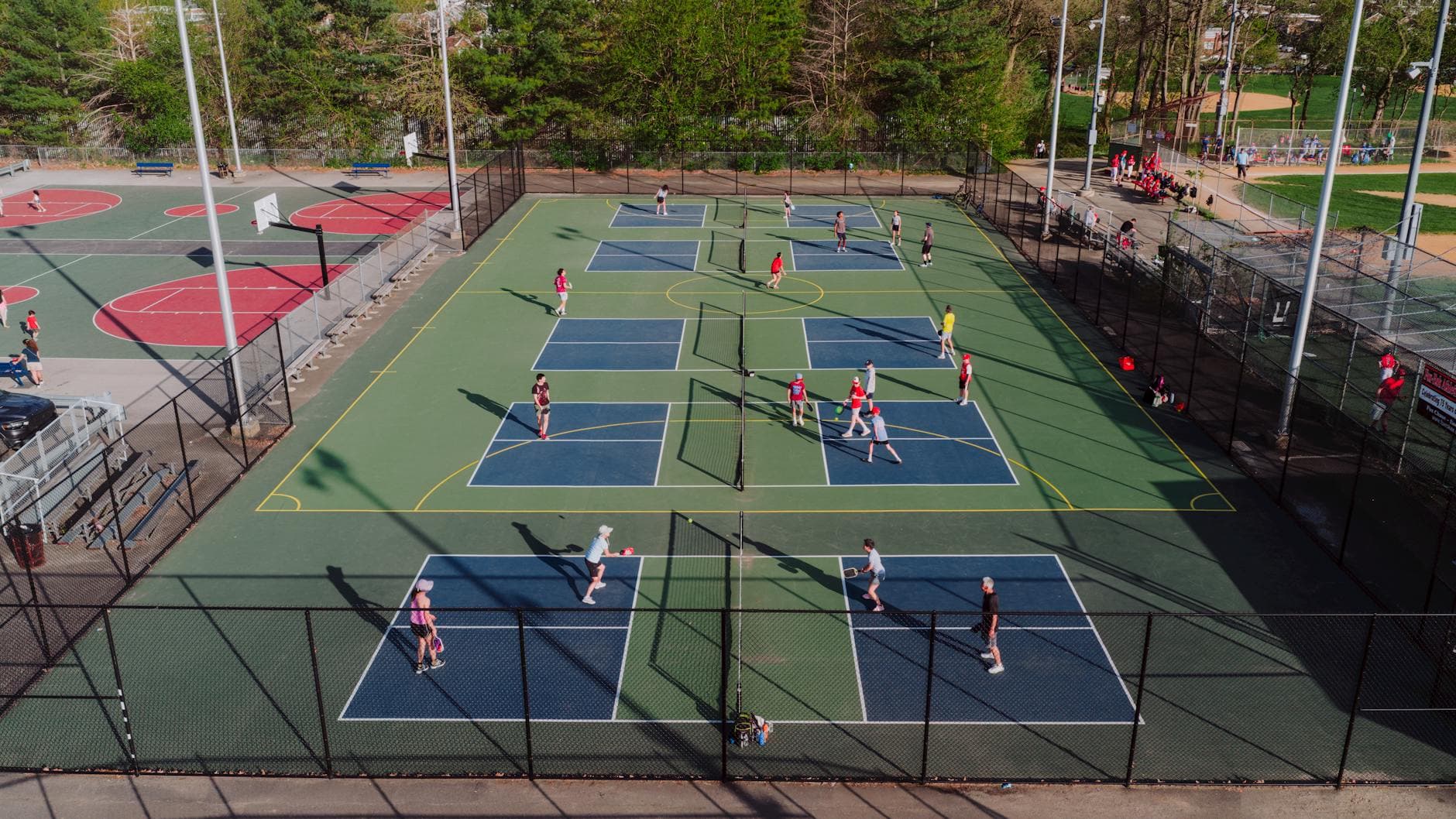
Judy Hoarfrost brings pickleball to China, reviving ping-pong diplomacy
Judy Hoarfrost’s China trip shows pickleball travel at its best: not luxury first, but shared courts, first-time encounters, and a living bridge between generations.
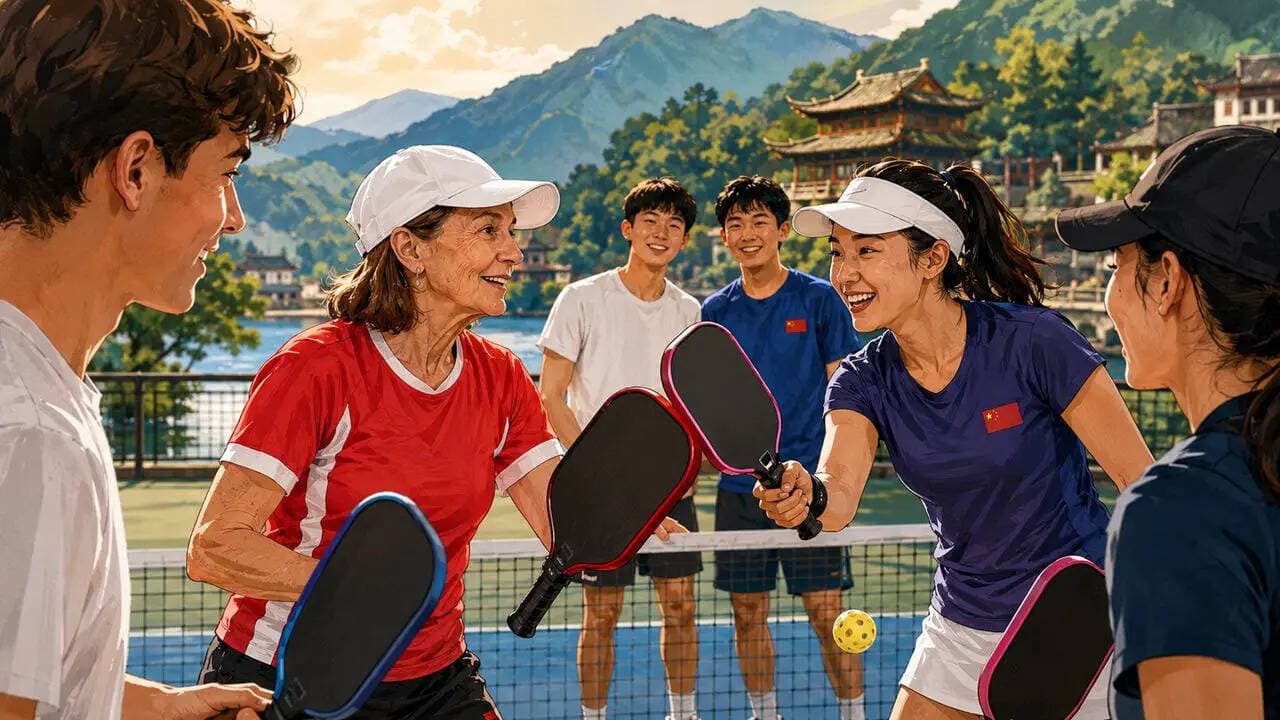
A court in Jiangxi can tell a bigger story than a resort ever will
A pickleball paddle in Jiangxi Province carries more than a game. In the 2026 China-U.S. Friendship Pickleball Event, Judy Hoarfrost led young American players onto courts in Ganzhou City and Shangyou County, turning a travel itinerary into something closer to living history. The appeal was not luxury, coaching volume, or the usual vacation gloss. It was the chance to stand on a court where sport, memory, and first-time encounters all met at once.
Why Hoarfrost’s return mattered
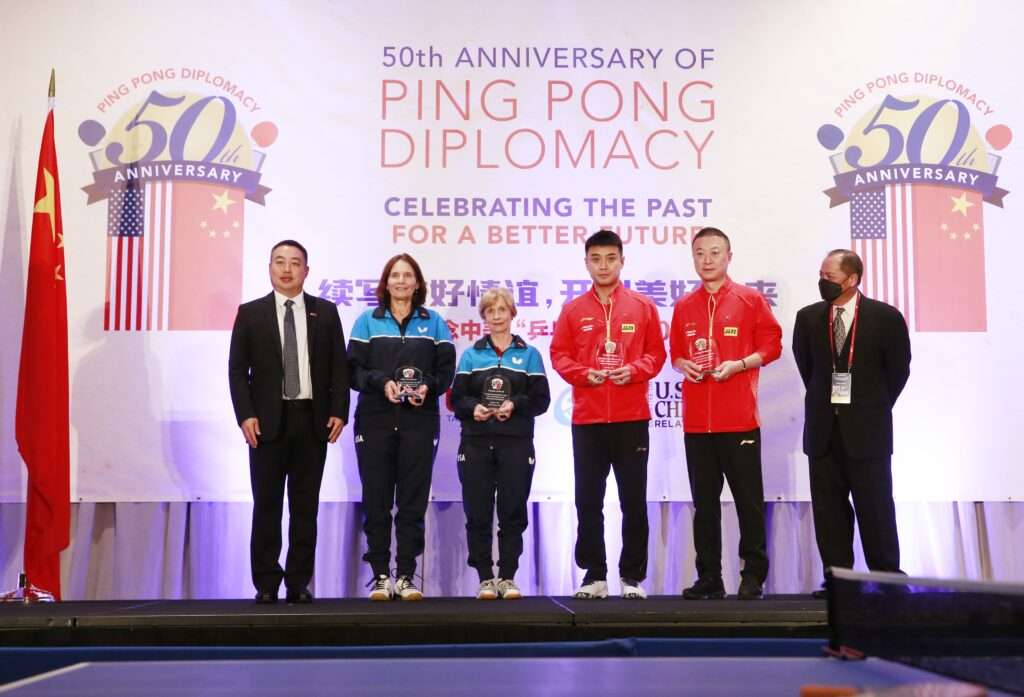
Hoarfrost is not a casual ambassador for the sport. Born July 12, 1955, Judy Bochenski-Hoarfrost was already competing at the U.S. Open at age 11, and she was only 15 when she traveled to China in 1971 as the youngest member of the U.S. table tennis delegation. That group was one of nine U.S. players whose historic trip helped open a new chapter in China-U.S. relations, a legacy that still gives her presence unusual weight.
That is why her return to China 55 years later resonated so strongly. She was not simply revisiting a place from her youth. She was carrying a different paddle, leading a different generation, and showing that an older athlete can re-enter the world as a guide rather than a guest. The story lands because it is about purpose, not nostalgia.
What happened in Jiangxi
The 2026 China-U.S. Friendship Pickleball Event ran from May 8 to 11, 2026, across Ganzhou City and Shangyou County in Jiangxi Province. The event brought together participants from Utah Tech University, the Oregon Friendship Pickleball Delegation, and Chinese teams, giving the exchange a clear intergenerational and cross-cultural shape.
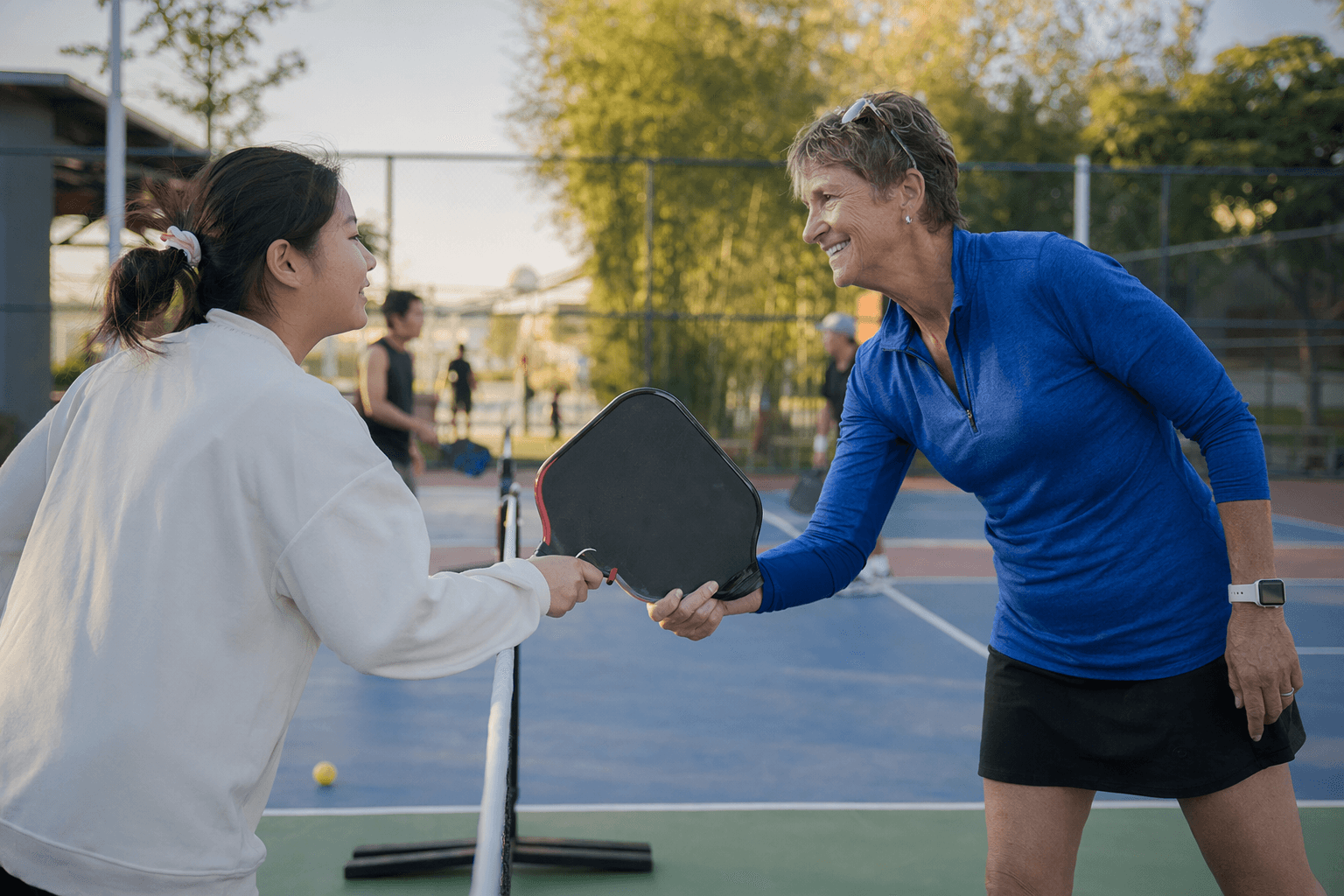
Xinhua reported that Hoarfrost was leading American youths, most of whom had never been to China before. That detail changes the meaning of the trip. This was not a reunion for veterans with shared memories. It was an introduction, one that let young players experience China through the language of rallies, court etiquette, and the easy trust that develops when two sides keep the ball in play.
The retreat lesson: connection beats spectacle
This is where pickleball travel diverges from the tired “pickleball vacation” frame. A generic vacation story leads with scenery, comfort, or premium amenities. This one leads with people. The memorable part is not the backdrop in Jiangxi Province, but the fact that a court became a meeting ground for American youths, Chinese players, and an athlete whose life already intersects with one of the most famous sports exchanges in history.
That is the model retreat stories should follow. Readers respond when the experience has a recognizable community identity, a specific place, and a clear social purpose. In this case, that identity was not “travelers seeking a sporty getaway.” It was a group tied to Ping-Pong Diplomacy, now using pickleball as a softer, more portable way to extend that same bridge-building instinct.
Why pickleball works for cultural exchange
Pickleball is unusually well suited to this kind of travel because it does not require spectacle to feel meaningful. A few courts, a mixed group of players, and a willingness to share the day can create the kind of connection that grander sports events sometimes miss. In Jiangxi, the game functioned as a common language, especially for younger players who may have arrived with curiosity rather than expertise.
That portability matters. The sport can travel light and still produce a strong human return, which makes it especially useful for exchanges built around access, inclusion, and first contact. The travel story is not “we went somewhere beautiful and played a lot.” It is “we crossed a border and used play to make the encounter feel ordinary, welcoming, and real.”
The Ping-Pong Diplomacy echo
Chinese reporting framed the pickleball visit as a continuation of Ping-Pong Diplomacy through a newer sport, and that framing fits the facts on the ground. Hoarfrost’s 1971 trip is part of the original table tennis exchange that helped open diplomatic space between China and the United States. Bringing pickleball into that same historical frame gives the sport a serious cultural role without forcing it into a heavy or ceremonial posture.
The comparison also helps explain why this story travels well with readers. It is not just about competition, and it is not just about tourism. It is about how one generation’s symbolic journey can become another generation’s entry point, with a paddle replacing a speech and a court replacing a stage.
The biographical thread that makes it personal
Hoarfrost’s connection to the sport is institutional as well as symbolic. CGTN reported that she helped set up Paddle Palace, the table tennis center and company near Portland, Oregon, adding another layer to her long-term role in the game’s ecosystem. That matters because it shows continuity: she has not merely been preserved as a historical figure, she has stayed active in the infrastructure of racquet sports.
Her story, then, is not a farewell lap. It is a second act. A player who once stood at the center of a geopolitical breakthrough is now helping young Americans understand another country through a newer paddle sport, and that gives the trip a generational dimension many retreat stories lack.
What retreat writers should take from this kind of story
The strongest pickleball travel pieces do a few things differently:
- They name the community clearly, such as American youth players, a university group, or a delegation with a shared purpose.
- They anchor the story in a specific place, like Ganzhou City or Shangyou County, rather than floating in a vague destination haze.
- They show why the trip matters socially, not just athletically, whether that means first-time travel, mentorship, or cross-cultural exchange.
- They treat older players as leaders and connectors, not as background figures or nostalgia props.
That formula is stronger than “luxury retreat” language because it gives readers an emotional reason to care. It also fits how pickleball culture actually works: people come for the game, but they stay for the relationships, the ritual, and the feeling that the court can still surprise them.
At the center of the Jiangxi visit was a simple but durable image: Judy Hoarfrost, decades after her first China trip, standing with a new generation of American players and proving that a court can still do diplomatic work. The power of the scene is in its scale. It did not need a stadium to matter, only a shared game, a willing group, and the kind of connection that lasts long after the last point is over.
Know something we missed? Have a correction or additional information?
Submit a Tip