Pickleball eye injuries rise nationwide, especially among older adults
A Houston Methodist study counted 2,573 pickleball eye injuries in a decade, and the average patient was 58.27. Protective eyewear is still optional, even as the risk climbs.
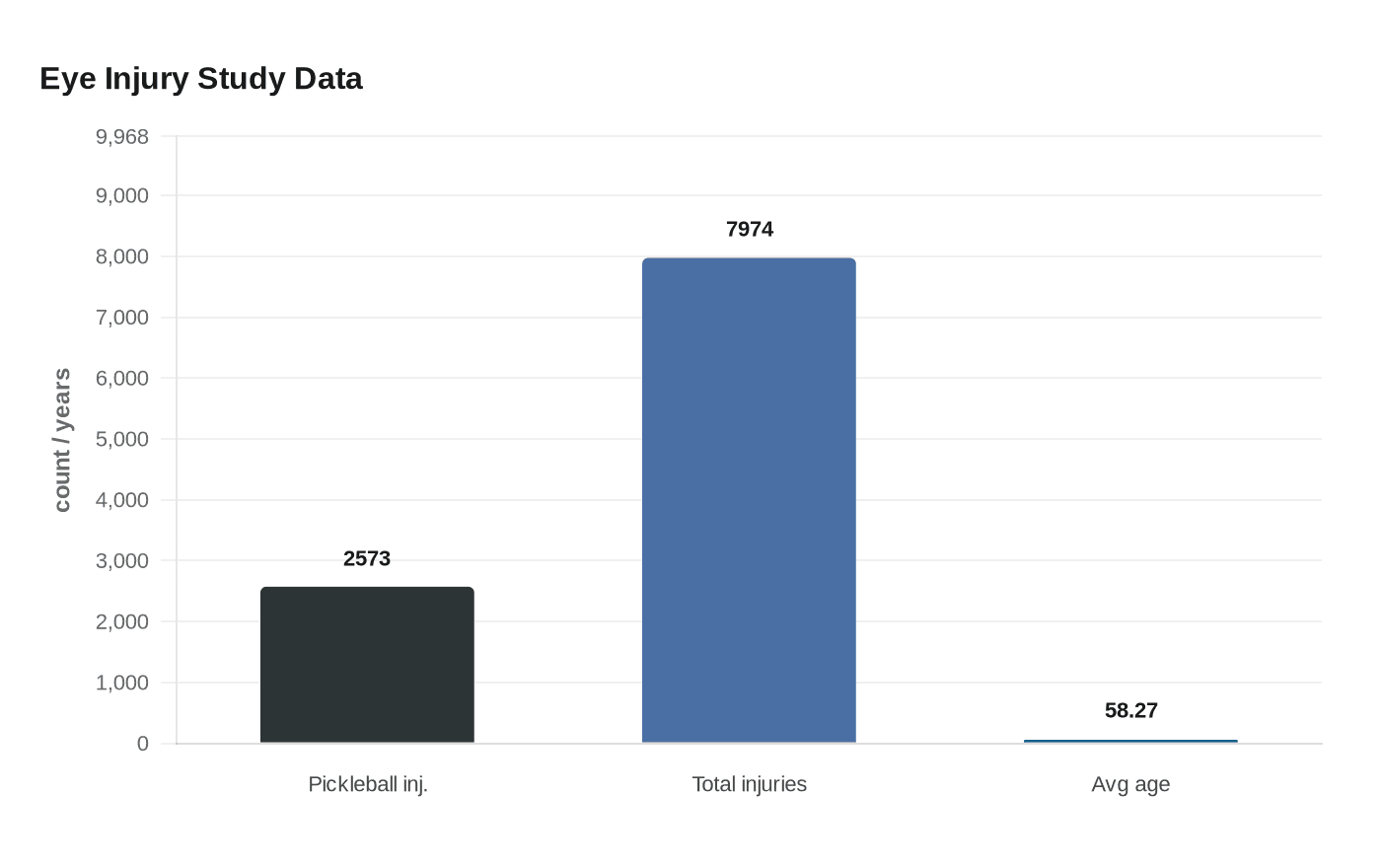
A stray ball can wreck more than a game day. In a Houston Methodist-led study, pickleball accounted for 2,573 of 7,974 weighted eye injuries tracked across pickleball, dodgeball and kickball from 2014 through 2023, and the average patient was 58.27 years old.
The pattern matters because the injuries were not just from fast hands at the net. Direct ball impact was the leading mechanism, but falls were also more common in pickleball than in the comparison sports, a sign that balance, footing and court awareness are part of the risk. The paper, published in Eye on January 16, 2026, said pickleball-related ocular trauma rose significantly over the study period and described the work as the first nationally representative comparison of eye injuries in the three sports.
Andrew G. Lee, one of the authors, said the problem is being fueled by complacency, lack of eye protection and a wave of older, inexperienced players. He also said more participation means more people at risk, and both the frequency and severity of injuries have increased. That tracks with the sport’s boom. USA Pickleball reported 68,458 known courts and 62,260 members in its 2024 growth report, and the American Medical Association said pickleball is now played by about 20 million Americans.
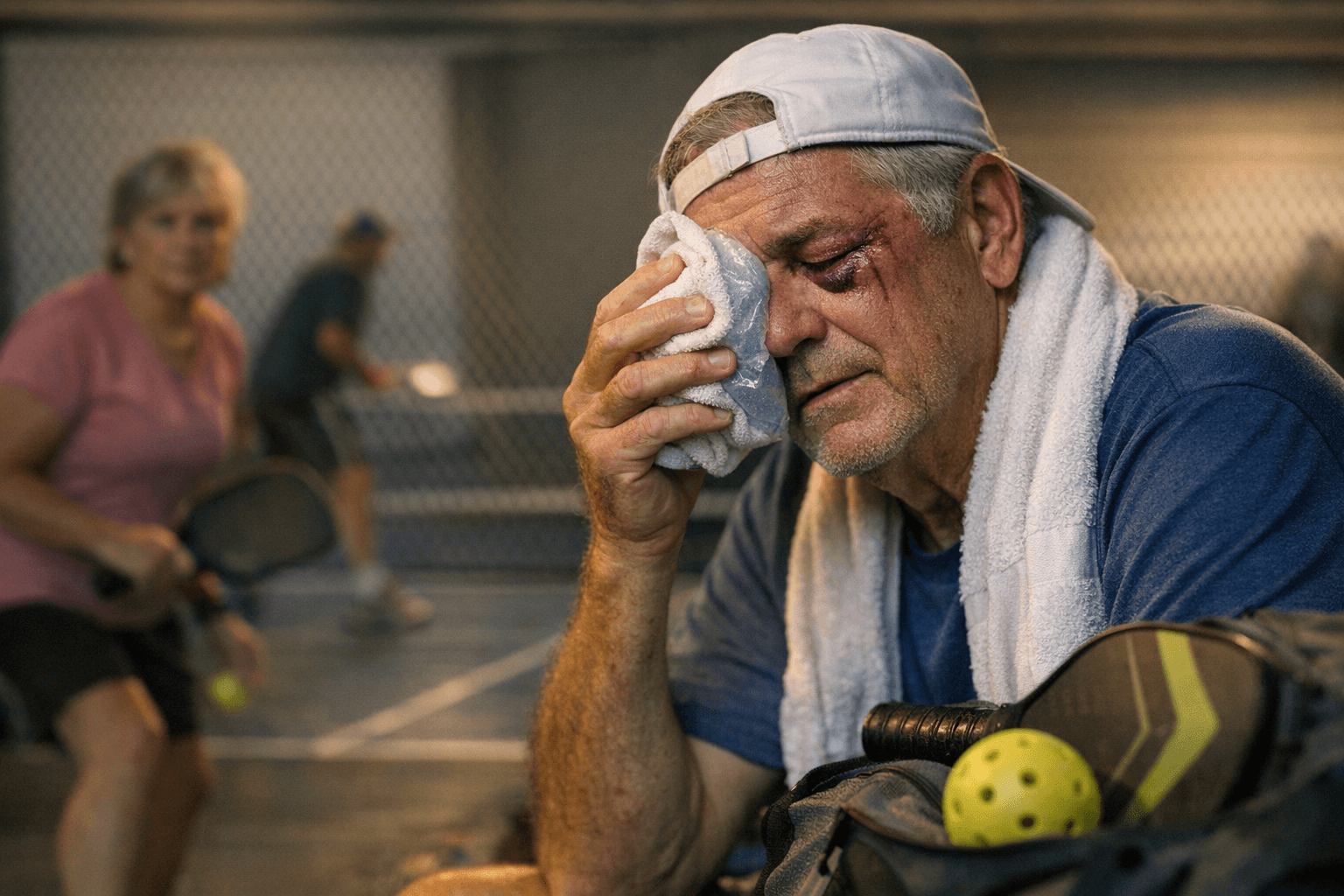
For players heading to retreat play, league nights or resort open courts, the gear decision is simple. The American Academy of Ophthalmology recommends ASTM F3164-compliant protective eyewear, and ASTM International revised that standard on December 17, 2024 to include pickleball test methods. Houston Methodist has also noted that no protective eyewear is mandated in pickleball at any level, even as case reports have included corneal abrasion, retinal tears, vitreous hemorrhage, retinal detachment, posterior vitreous detachment and traumatic lens subluxation.
The setting matters too. The study found pickleball eye injuries were more likely to happen in community recreation centers, while dodgeball and kickball injuries were mostly in schools. For retreat hosts, club directors and park managers, that makes eyewear feel less like optional extras and more like standard court policy, especially when older adults are arriving with new paddles, borrowed partners and limited margin for a bad bounce.
The bigger warning is that the sport’s casual image no longer matches its injury profile. With more than 1,200 pickleball eye injuries estimated in 2024 alone in earlier reporting, the overlooked piece of gear in a weekend bag may be the one that prevents a trip-ending injury.
This article was produced by Prism’s automated news system from verified source data, official records, and press releases, then run through automated quality and moderation checks before publishing. The system is built and supervised by the people who set the standards it runs under. Read our full AI policy.
Did this article answer your question?