Pro pickleball players build family-like support networks on tour
Shared Airbnbs and bench-side advice are turning the pro pickleball tour into a traveling family, and that bond is showing up in results.
The new edge on tour is social
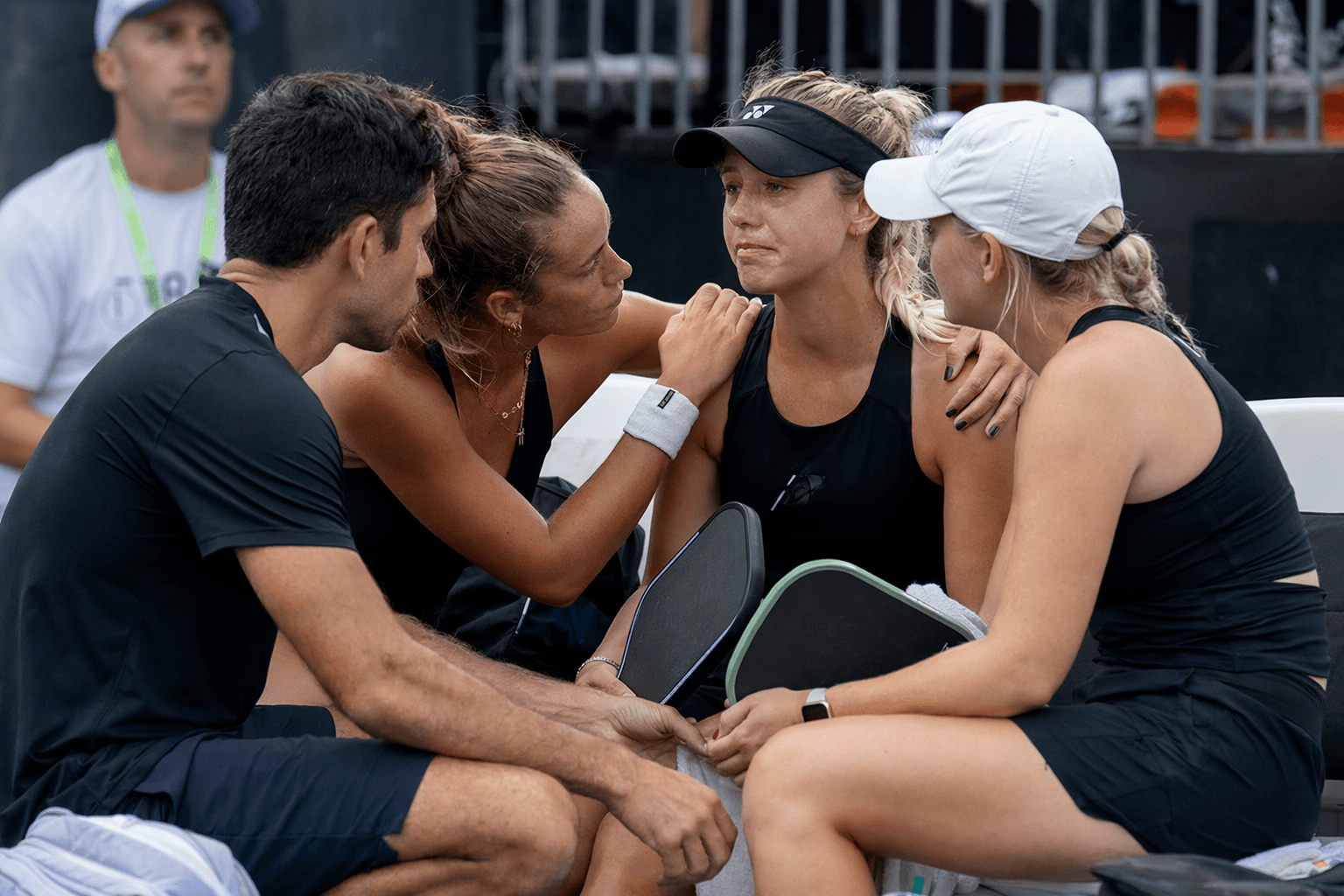
The PPA Tour’s youngest signed players are building something that looks less like a circuit and more like a traveling household. Gio Morelli says the tour has given him the best friends of his life, and he means it in the most practical way possible: shared Airbnbs, joint warmups, training sessions between matches, and the kind of emotional support that can steady a week of constant travel.
That matters because the PPA Tour is no longer a loose collection of weekend stops. It stages 25-plus tour stops across the United States, and its rankings system dates back to February 13, 2020. In a tour with that much structure, friendship is not just a feel-good detail. It becomes part of the competitive infrastructure.
How support becomes performance
Morelli talks about Kiora Kunimoto, Ella Yeh, and other rising pros as people who have become close enough to feel like family. He has described Kunimoto as basically a sister, and even joked that she will be in his wedding party one day. That kind of language may sound playful, but on tour it points to a real working relationship built over long days, repeated flights, and the pressure of matching up against the same faces across multiple events.
Kunimoto says the feeling goes the other way too. Having friends on the bench changes how she plays because it helps with the mental side of the game and can act like another layer of coaching when her father cannot travel. She says friends check her phone during matches, pass along ideas, and help her stay calm when pressure starts stacking up. In a sport where momentum can swing on a few points, that extra emotional regulation is not background noise. It is part of the match plan.
What the results say about chemistry
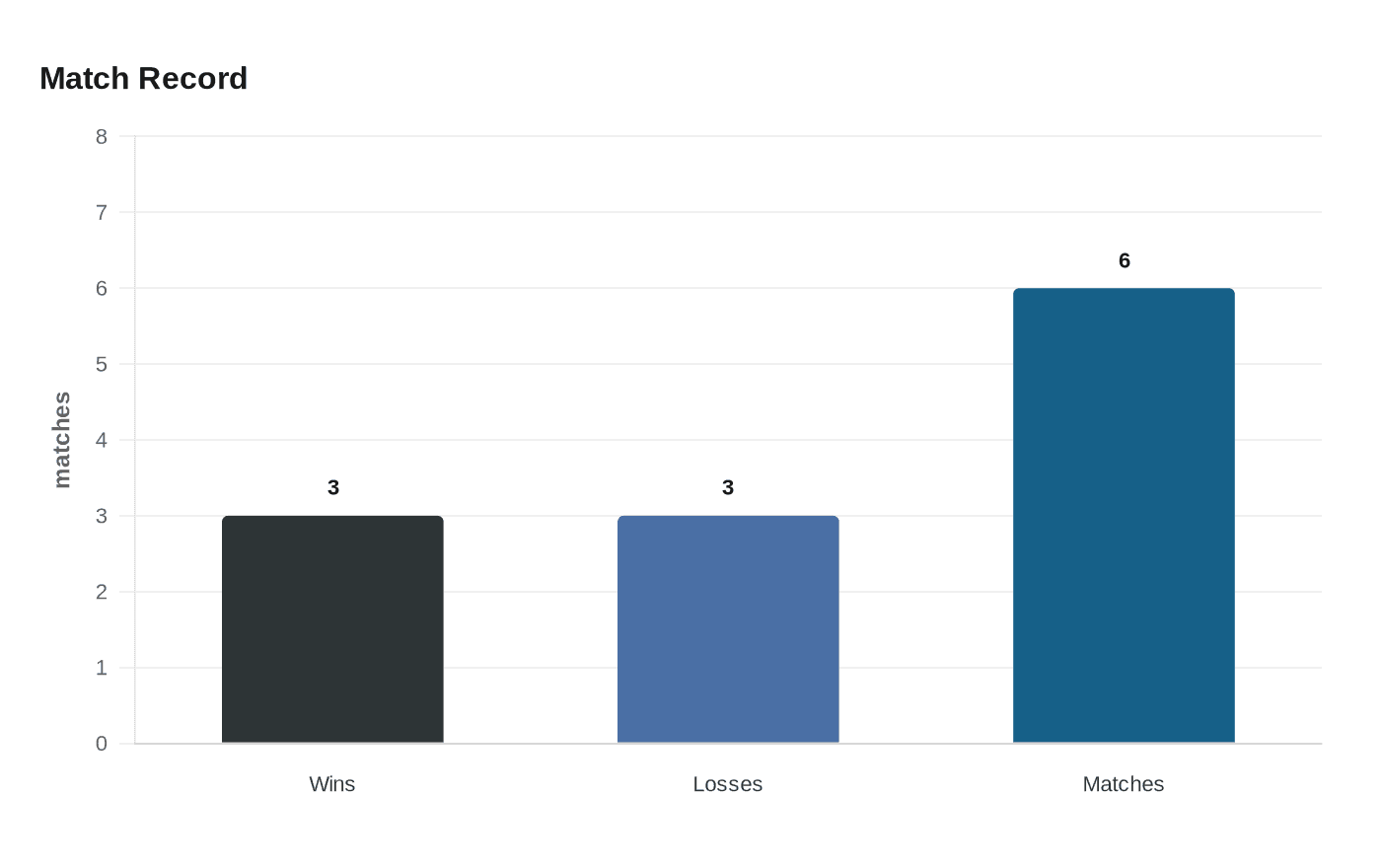
The Morelli-Kunimoto partnership gives the relationship a scoreboard. PickleWave shows they have a 3-3 record across six women’s doubles matches and have teamed up in at least three tournaments. That includes a Round of 32 match at the 2025 PPA Rate Vegas Open and a win over Emma Wang and Vritti Sethi at the 2026 Zimmer Biomet Cape Coral Open. The same pairing also surfaced in Selkirk tournament coverage, which noted that Kunimoto and fellow recent PPA Tour signee Giovanna Morelli earned a Challenger medal in a field of 16 teams.
That record does more than fill out a stat line. It shows how friendship and chemistry can become visible in draws, results, and medal rounds. When partners know each other well enough to warm up together, read each other between points, and carry the emotional load of a long bracket, the relationship is no longer just off-court comfort. It is part of the competitive identity of the team.
Travel stress is part of the job
The social side of tour life matters because the rest of the job can be isolating. These players are away from home for much of the year, moving from stop to stop and trying to keep their bodies and minds fresh while the schedule keeps moving. Group dinners after long tournament days, shared housing, and the simple act of having someone to warm up with are not luxuries in that environment. They are ways to blunt burnout before it starts.
That is especially true for younger players who are still learning how to manage the rhythm of pro travel. The newest generation on the PPA Tour is building support networks early, which may be one reason the tour can feel like a family rather than a ladder. In a sport that increasingly rewards professionalism, the players who can sustain that travel life may be the ones who have more than a good forehand. They have a built-in circle that makes the road less punishing.
Why this younger pipeline looks different
The age profile of this group helps explain the vibe. The PPA Tour lists Kiora Kunimoto as 16 years old, from Plano, Texas, and turned pro in 2025. It also lists Ella Yeh as 16, turned pro in 2025, and based in Plano, Texas. That shared age and geography help make this friend group read like a genuine pipeline of signed players, not just random pairings that happened to overlap on a draw sheet.
Morelli, listed by Pickleball.com as having turned pro in 2025, adds another piece of the picture. That same profile says he has competed in more than 15 professional tournaments nationwide, enough travel to make the value of a steady support crew obvious. Pickleball.com also describes Giovanna Morelli as beginning pickleball in August 2024 and, within a year, becoming one of the head coaches at The Club at Ibis. Her doubles stats in the last 12 months show a 12-16 win-loss record, which is another reminder that the circuit’s social network is forming around players who are still very much in the middle of their development.
The Raleigh result and the rise of a touring group
Kunimoto’s rise is not just a story of who she knows. Pickleball.com says she won two gold medals and one silver at the PPA Challenger Series in Raleigh, a result that helped establish her as one of the tour’s rising young talents. Those medals matter because they show that the social support is attaching to real performance, not just the image of camaraderie.
Put together, the Raleigh results, the Cape Coral win, and the repeated Morelli-Kunimoto appearances across multiple tournaments show a simple truth about this generation of pro pickleball: the tour is becoming a place where relationships travel with the players and travel well. The best matches are still decided by skill, but the best careers may increasingly depend on who is sitting beside you, warming up with you, and helping you reset when the week gets long.
What the tour is teaching retreat culture
That is the lesson the retreat world should be paying attention to. The strongest experiences on the road are not built only around drilling and instruction. They are built around the same things that are keeping these pros steady on tour: shared meals, shared space, and enough off-court time for trust to form before the brackets do.
Morelli and Kunimoto are showing what happens when that infrastructure is already in place. The friendship makes the travel easier, the pressure lighter, and the chemistry sharper. On a circuit with 25-plus stops a year, those bonds are not a side story. They are part of how players keep showing up, keep competing, and keep making the road feel like home.
This article was produced by Prism’s automated news system from verified source data, official records, and press releases, then run through automated quality and moderation checks before publishing. The system is built and supervised by the people who set the standards it runs under. Read our full AI policy.
Did this article answer your question?