Six Zero Diamond Tough promises longer-lasting spin and paddle grit
Diamond Tough is built for one hard question: does paddle grit survive the grind, or fade after a few heavy court days?
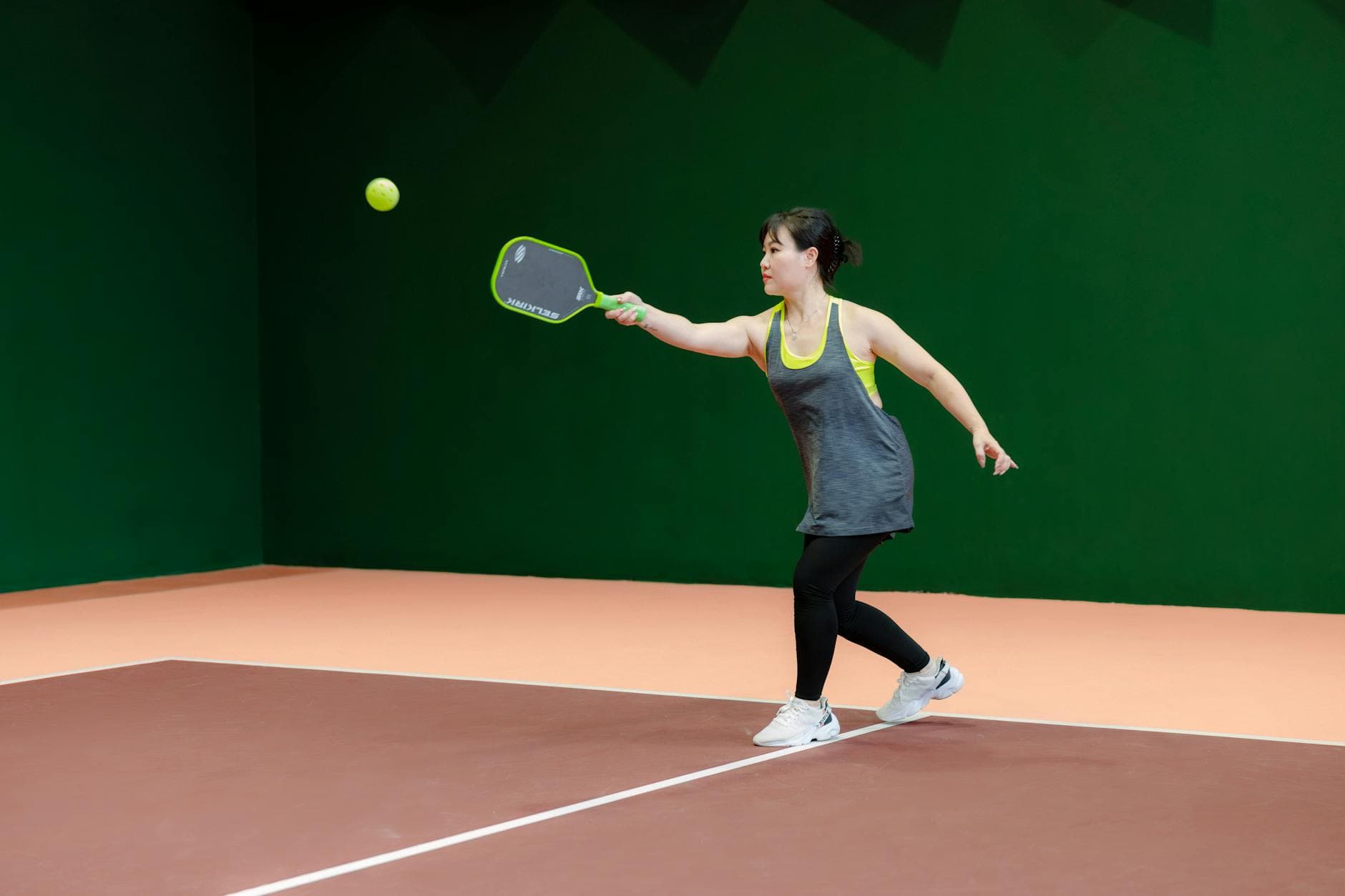
The real test is not how a paddle spins in the first hour. It is whether that bite is still there after a week of drilling, league play, and destination-camp points that run long. Six Zero’s Diamond Tough pitch goes straight at that problem, arguing that surface durability now matters almost as much as core pop or control in a game built around heavy topspin drives, sharp angle rolls, and passing shots that need real bite.
What Diamond Tough is trying to solve
Raw carbon changed paddle feel and helped with durability, but it still wears down. As the epoxy layer smooths through repeated contact, the face loses some of the texture players depend on for spin. That is where Six Zero positions Diamond Tough as more than a cosmetic update: the company says it infuses industrial-grade diamond particles directly into the epoxy and peel ply layer of the carbon-fiber face, instead of relying on a sprayed coating that can wear off.
That distinction matters. If grit is sitting on top of the face, it can fade quickly. If the texture is built into the surface structure itself, the company is betting the paddle will keep its bite longer and preserve the kind of spin serious players need when the points get faster and the margins get thinner.
Why this matters to players who log heavy court hours
For players headed to clinics, retreats, or weekend training trips, the question is practical: does a paddle still perform on day four the way it did on day one? Heavy court time exposes a face faster than casual rec play, especially when you are leaning on topspin and roll drives every session.
Six Zero’s Coral line is framed around that exact use case. The company describes the Coral as built for long-term spin generation and texture life, and says its Diamond Tough surface infusion delivers more than four times the texture life of traditional raw carbon. In plain terms, the promise is less drop-off, fewer surprise performance swings, and less temptation to swap paddles in the middle of a season or a retreat circuit.
What the wear testing suggests
The claims are backed by two outside-style durability checks that point in the same direction. Pickleball Effect reportedly found that the Coral retained about 95 percent of its original surface roughness after extended cycles. Matt’s Pickleball also reportedly measured only a 3.4 percent reduction in surface depth for the Coral Hybrid after heavy wear simulation.
That does not make Diamond Tough magical, but it does support the core argument: the face appears designed to hold its structure under stress. For players who care about consistency, that can be more valuable than a paddle that feels explosive on day one but slips away by the end of the next tournament block. The practical upside is not just spin in theory. It is spin that stays more predictable across months of use.
How the rules frame the arms race
This push for longer-lasting grit is happening inside a strict equipment framework. USA Pickleball’s 2025 Equipment Standards Manual says the paddle hitting surface shall not contain holes, indentations, rough texturing, or other features that allow excessive spin. The manual also says roughness is checked with a Starrett SR160 or SR300 surface roughness tester, with allowable limits of no more than 30 micrometers on Rz and no more than 40 micrometers on Rt.
That leaves manufacturers in a narrow lane: they have to engineer surfaces that stay effective without crossing the line into excessive roughness. USA Pickleball also makes clear that approval means a product conforms to the published specifications, not that it is endorsed. For buyers, that means the legal question is not whether a paddle is flashy. It is whether the face stays within the numbers while still delivering the bite players want.
The bigger market backdrop
The timing is no accident. The Sports & Fitness Industry Association said 24.3 million Americans played pickleball in 2025, up 22.8 percent from 2024. As participation rises, the gear race gets sharper, because more players are noticing the difference between short-lived surface grit and surfaces built to last.
That is why Diamond Tough reads as more than a brand flourish. It sits inside a larger shift in paddle design, where manufacturers are competing not only on power and feel, but on how long a face can preserve spin performance. When the market gets this big, consistency becomes a selling point all its own.
What serious players should take from it
If you are planning a retreat, clinic, or travel-heavy stretch of play, the most useful question is not whether Diamond Tough sounds premium. It is whether it reduces the usual spin drop-off that shows up after repeated use. The available testing and the company’s own claims suggest that it might.
- If you want a paddle that feels lively for a weekend, many options can do that.
- If you want a paddle whose surface is engineered to hold its texture through heavier use, Diamond Tough is making a stronger case.
- If you care about replacement timing, longer-lasting grit could mean fewer performance surprises between events.
A good way to think about it is this:
The core appeal is consistency. For players who live on court during destination trips, that can be the difference between trusting a paddle all week and wondering when the spin started to fade. Diamond Tough is not just about a rougher face. It is about keeping that face effective long enough to matter when the session count starts climbing.
This article was produced by Prism’s automated news system from verified source data, official records, and press releases, then run through automated quality and moderation checks before publishing. The system is built and supervised by the people who set the standards it runs under. Read our full AI policy.
Did this article answer your question?