Butterfly Schools Nationals expands to 16 titles at Wolverhampton
Sixteen titles, more than 400 players and 1,000 matches make Wolverhampton the clearest look yet at England’s schools table tennis pipeline.
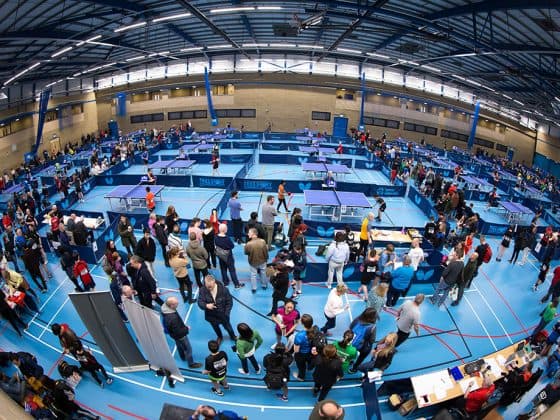
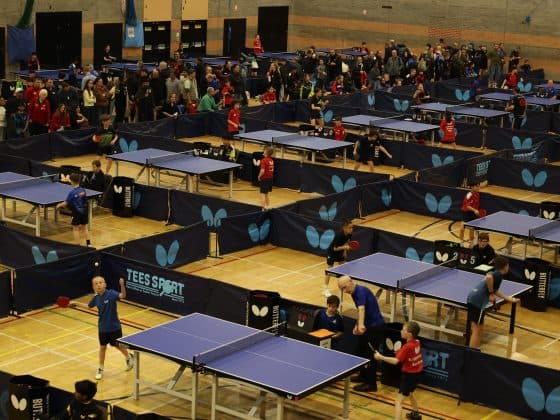
If you want to see where England’s next senior players are coming from, look at the Butterfly National Schools Championships rather than the flashier senior stages. At WV Active, Aldersley, Wolverhampton, 16 national titles will be decided across boys’ and girls’ Under-11, Under-13, Under-16 and Under-19 events, and the draw shows a sport that is being built from school halls upward, not handed down from the top.
The scale is hard to miss. Table Tennis England’s programme puts more than 400 young players into well over 1,000 matches over the weekend, with the individual finals set for Saturday 25 April and the team finals following on Sunday 26 April. This will be the 50th staging of the individual competition, which began in 1975 apart from the two pandemic years, and that kind of continuity matters in a sport where long pipelines usually produce the best senior players. Tin-Tin Ho, Liam Pitchford, Paul Drinkhall, Sam Walker, Kelly Sibley, Andrew Baggaley and Matt Le all came through this route, which is about as strong a share hook as you get for a junior event.
The schools list underlines how broad the pipeline has become. London Academy, Haberdashers’ School, St Paul’s School, The Liverpool Blue Coat School, The King’s School in Harpenden, Reading School, Warwick School and Manchester Grammar School all appear in the mix, spreading the competition across London, Merseyside, Hertfordshire, Warwickshire and Greater Manchester. That spread is the real story: state and independent schools, inner-city and suburban programmes, and a wide age range all feeding the same national stage.
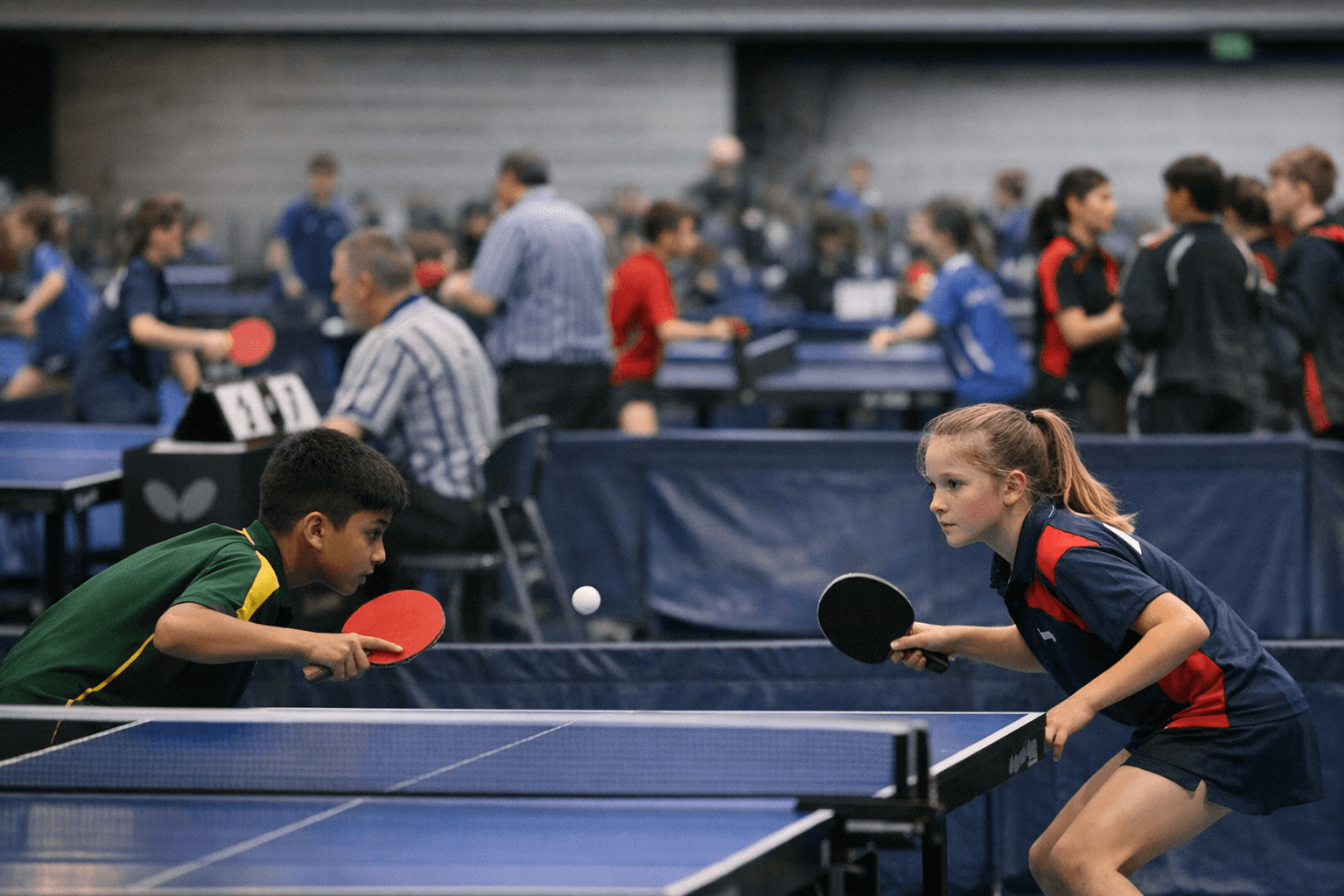
Behind it sits a structure that has been built to catch talent early. Table Tennis England says 51 affiliated Schools County Associations run qualifying events, with the pathway moving through Borough Finals, County Finals, Area Finals and then National Finals. That is the sort of ladder that keeps players in the game long enough to matter, and it explains why the schools championship has become such a reliable marker for future senior depth.
The team event has also been widened this year, with eight teams in each category, which should give the competition more breathing room and more counties a realistic shot at the last stages. TT Leagues managed results at the 2025 Butterfly Schools Team Finals, and that kind of infrastructure makes the schools game feel less like a one-off showcase and more like a proper competition system.

Table Tennis England also frames schools competition as part of a broader pathway that includes international opportunities, so Wolverhampton is not just about crowns and county pride. It is a view of the sport’s next layer: the juniors who will come through because the school route is wide enough, organised enough and competitive enough to keep producing them.
Know something we missed? Have a correction or additional information?
Submit a Tip