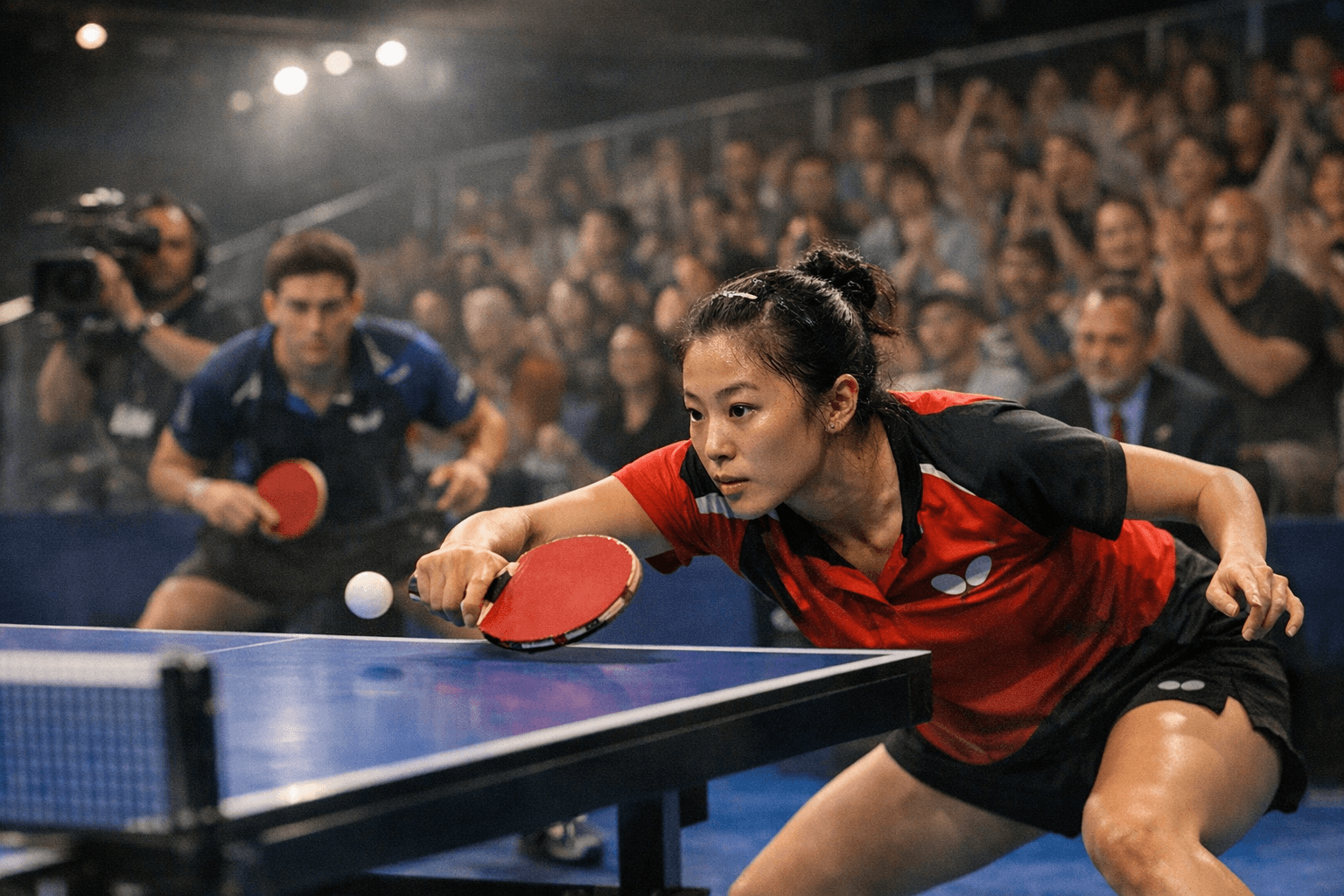
Spain Wins Nine Medals at ITTF World Para Future Costa Brava 2026
Spain's 23-player para squad swept 3 golds, 3 silvers and 3 bronzes in Platja d'Aro, with Rio 2016 Paralympic silver medalist Juan Bautista Pérez claiming Class 9 gold.
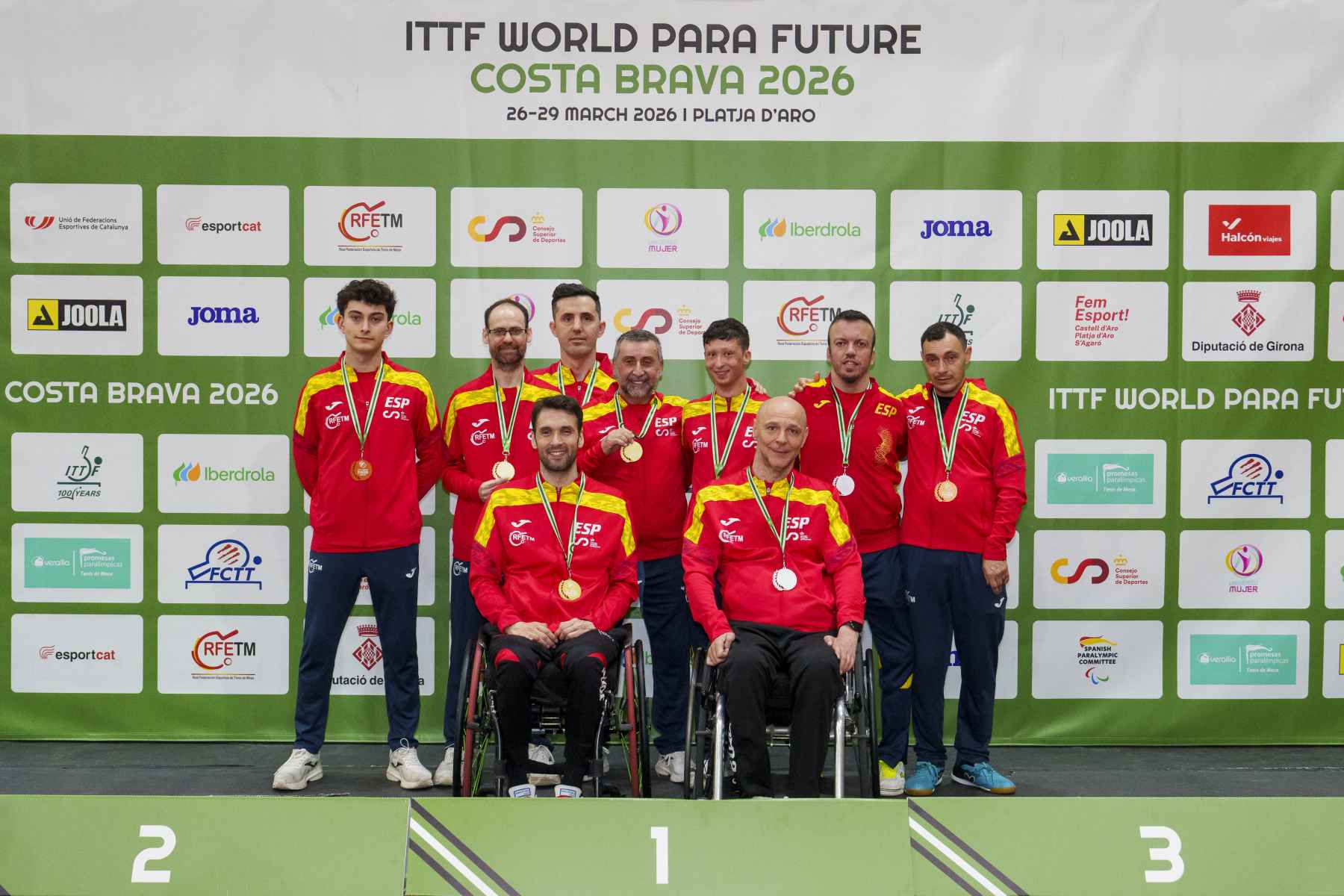
Spain's 23-player para table tennis delegation collected nine medals at the ITTF World Para Future Costa Brava 2026 in Platja d'Aro, Girona (26-29 March), finishing with three golds, three silvers and three bronzes across individual events and establishing the national programme as one of the deepest in the field.
Three players stood at the top of their respective podiums. Daniel Rodríguez converted a strong run through the Class 2 draw, winning a narrow 3-2 quarter-final before dismissing his semi-final opponent 3-0 and then defeating compatriot Miguel Ángel Toledo 3-1 in an all-Spanish final. Eduardo Cuesta claimed the Class 11 title after working through a competitive draw. But the result that carries the most biographical weight belonged to Juan Bautista Pérez, who won the Class 9 gold by defeating Marat Surtubayev of Kazakhstan in the semi-finals before beating Julien Cigolotti of France in the final.
Pérez is the kind of player whose results travel. The player from Cistierna, León, competing for Sevilla Nodo, won a team silver at the 2016 Rio Paralympics in the Class 9-10 event, making him one of the most decorated names in Spanish para table tennis. Seeing him still collecting gold at an ITTF Para Future a decade on is exactly the kind of continuity that national federations build programmes around. The Royal Spanish Table Tennis Federation (RFETM) has supported Pérez and the wider para squad through its domestic high-performance pathway, which sends competitive delegations to both Future and higher-tier circuit events across the calendar year.
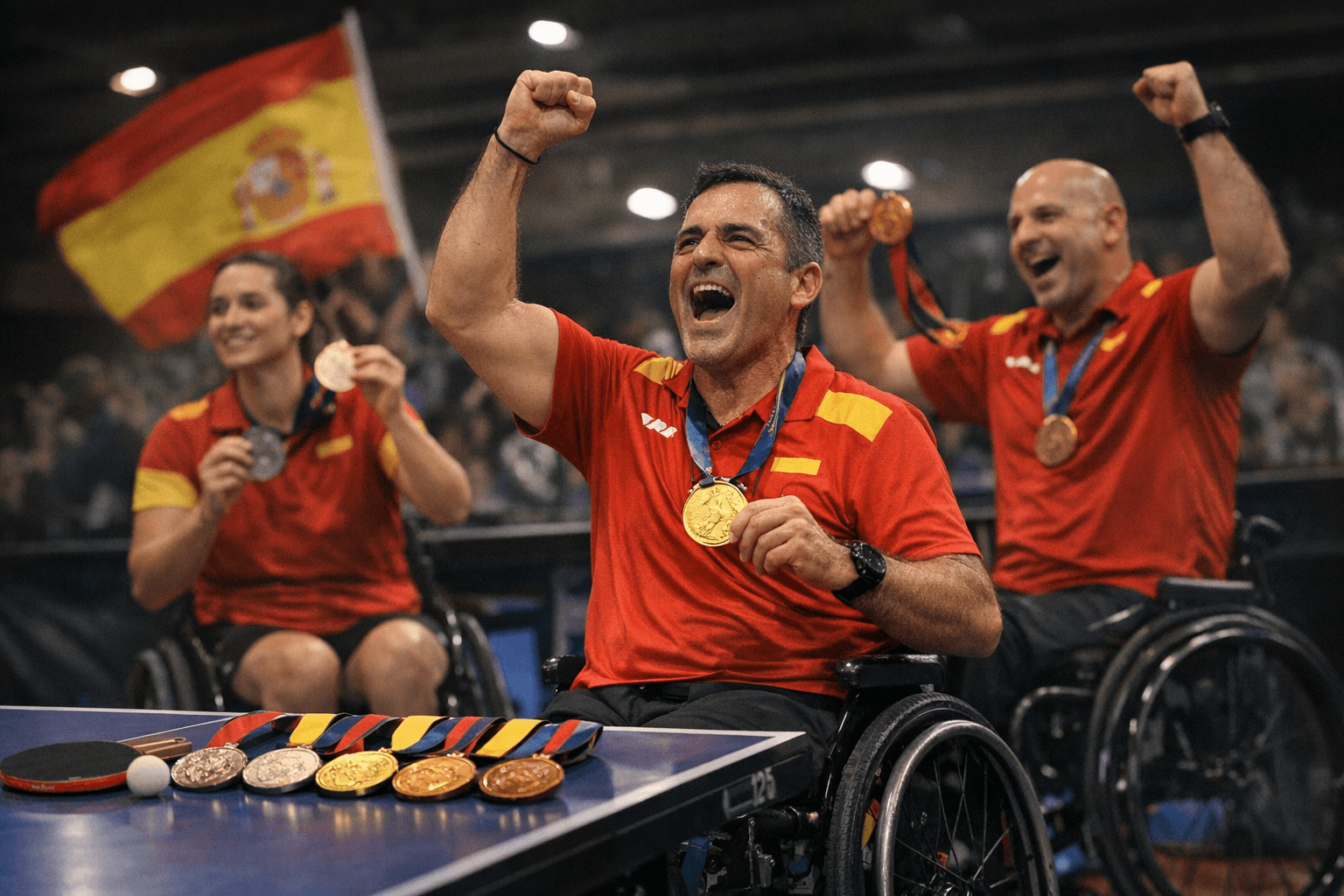
The Costa Brava event serves as the season opener for many in Spain's para squad. RFETM's pre-tournament entry listed players across Class 2 through Class 11, male and female, with opponents from France, Poland, and Kazakhstan all presenting genuine obstacles throughout the draws. The nine-medal return from 23 starters is a conversion rate that reflects both depth and the intensity of preparation behind it. For the federation, medals at a Future event translate directly into ITTF Para ranking points and bolster selection arguments ahead of continental qualifiers and higher-tier events later in 2026, including the ITTF Para Future Chile in Santiago de Chile (18-20 April).
Spain's result in Platja d'Aro is a practical argument for what inclusive table tennis infrastructure produces. The blueprint is replicable at club level. If your venue has space, hosting a para-friendly open session, even a single afternoon, is the most direct way to build the local pipeline that produces athletes like Pérez and Rodríguez. Contact your national or regional federation about volunteering at upcoming para events: the RFETM actively coordinates referee and logistics volunteers for its international fixtures. Clubs can also contribute by donating unused equipment, particularly adaptive tables and lower-height setups, to local disability sports organisations working with beginner para players. The gold medals in Platja d'Aro did not appear from nowhere; they came from sessions in club halls, from federation investment, and from the kind of community structure that every player on that 23-person squad relied on long before reaching the international circuit.
Know something we missed? Have a correction or additional information?
Submit a Tip