Sun Yingsha Claims Historic Three-Peat, Wang Chuqin Wins First World Cup Title
Sun Yingsha's 4-1 defeat of Wang Manyu makes her the first woman ever to win three straight World Cups; Wang Chuqin ends his Evans Cup wait with a 4-3 win over Matsushima.
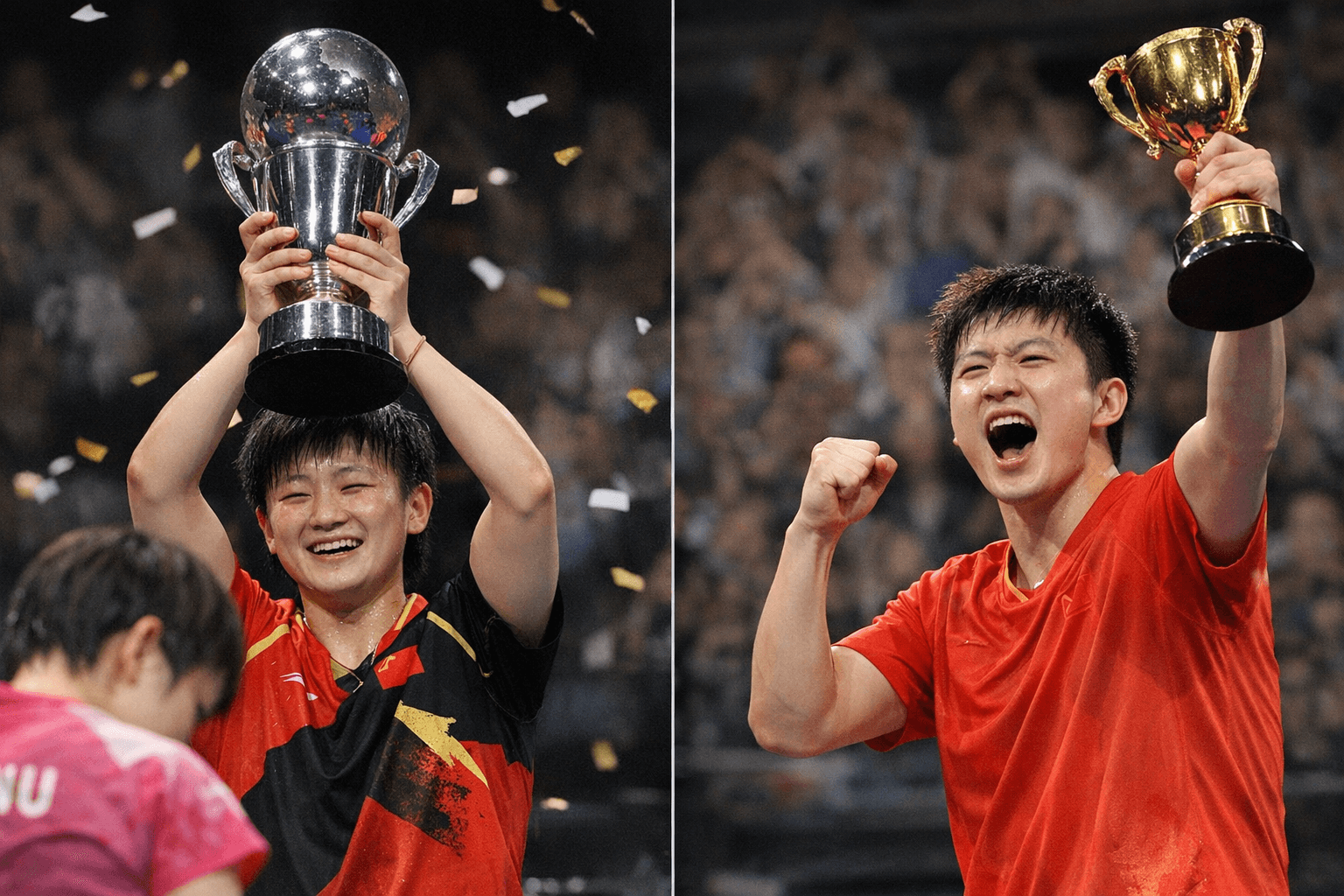
Three consecutive World Cup titles belong to exactly two players in table tennis history: Fan Zhendong in the men's draw, starting in 2018, and now Sun Yingsha in the women's. At Macao's Galaxy Arena on Sunday, Sun made the list official with a 4-1 defeat of teammate Wang Manyu in the Hammarlund Cup final.
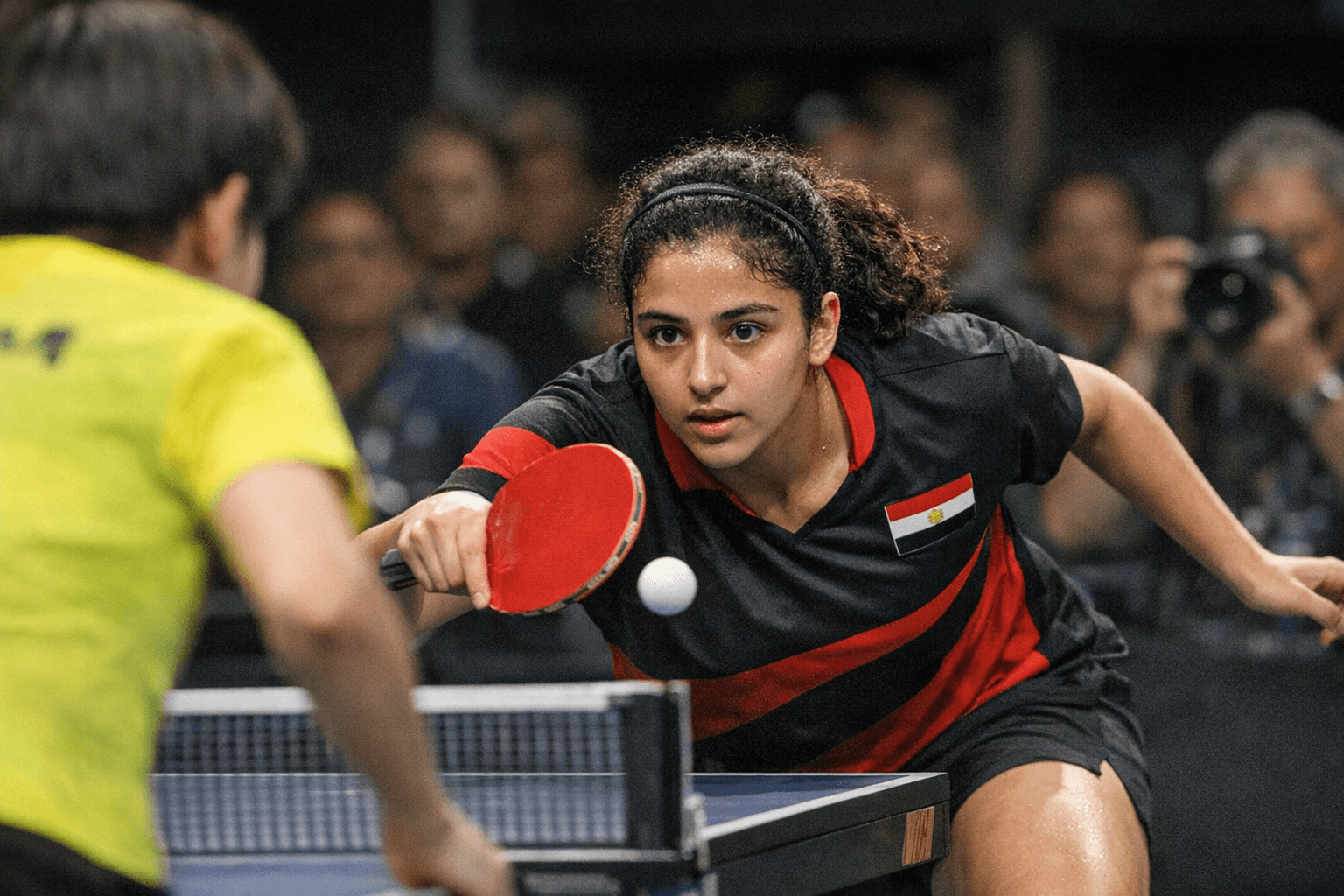
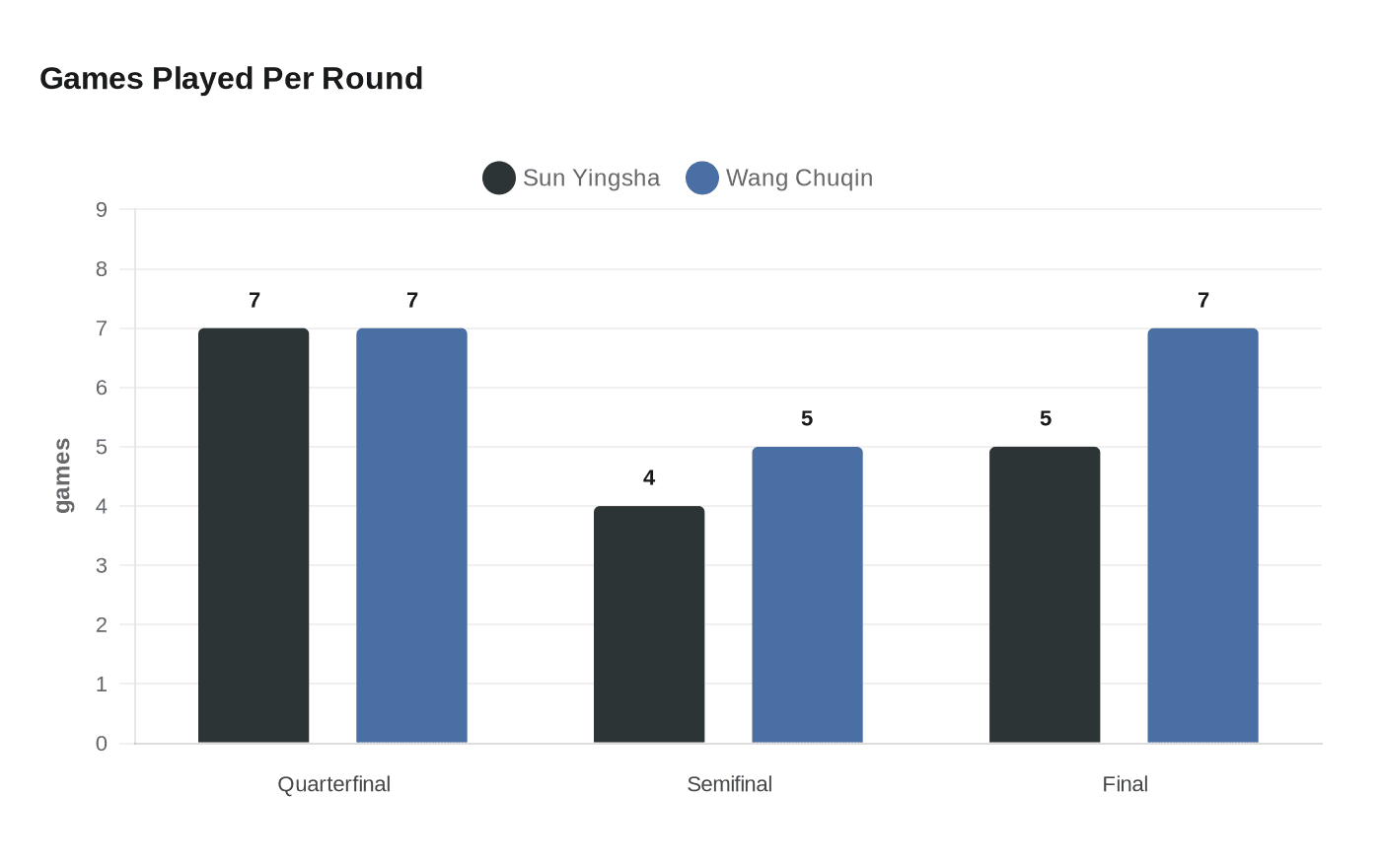
The road to that final tells the fuller story. Sun swept Germany's Sabine Winter 4-0 (11-6, 11-6, 11-3, 11-5) in the semifinal. Before that, 18-year-old Egyptian Hana Goda had pushed her to seven games in the quarterfinal, winning three sets before Sun closed it out 4-3. Surviving that pressure without losing shape, then dismantling Wang Manyu in the final, is the pattern that makes this three-peat more than a counting stat. Rivals who match Sun technically consistently fall short in the moments when a match pivots; Macao produced two more examples of exactly that.
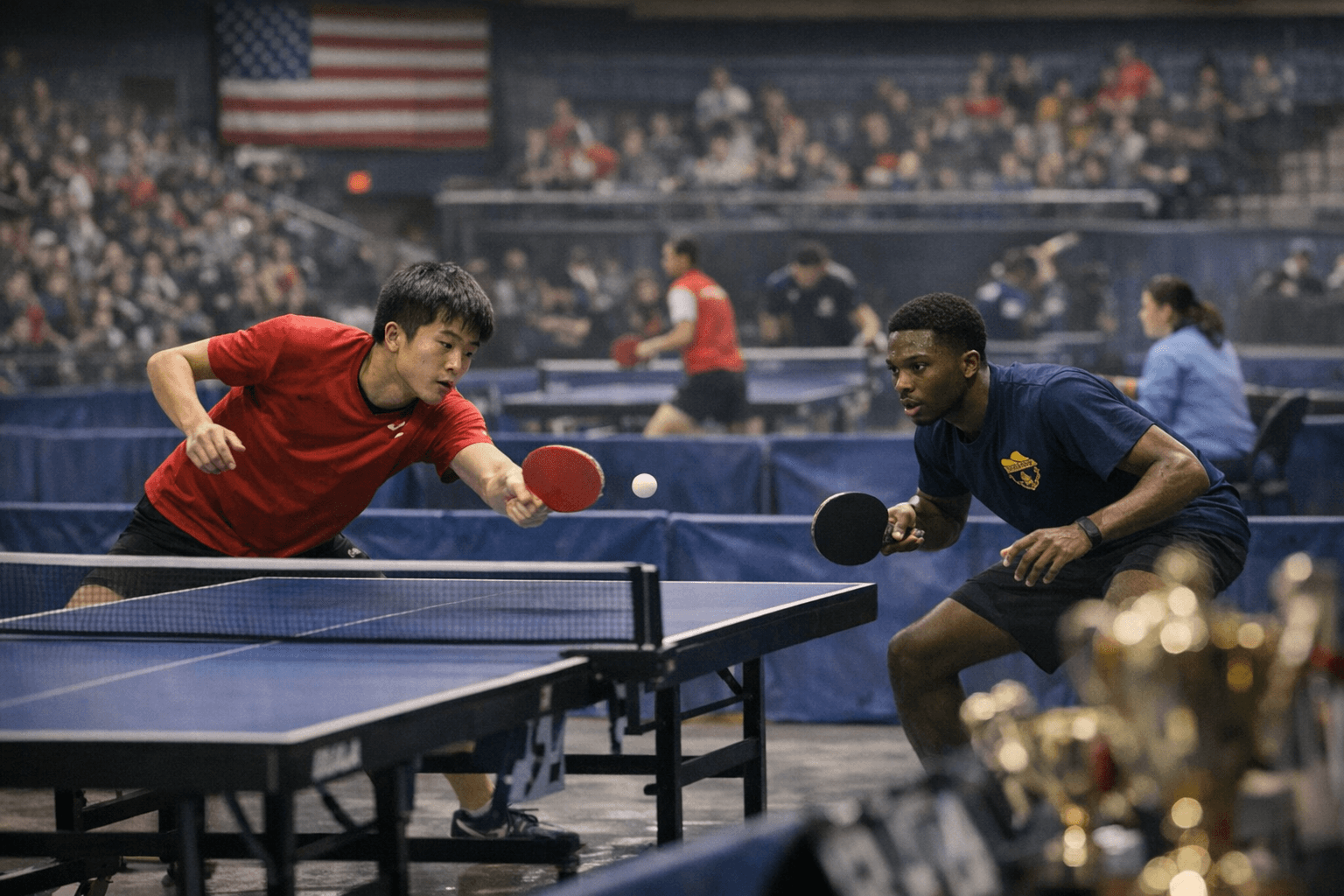
Wang Chuqin's 4-3 win over Japan's Sora Matsushima in the Evans Cup final resolved the most visible gap in his resume. World No. 1 without a World Cup gold carried specific weight in any debate about where Wang ranks historically, and that qualifier is now gone. The score itself was only part of the story: Wang had arrived in the final by coming back from 1-3 down against Slovenia's Darko Jorgic in the quarterfinal to win 4-3 (11-4, 9-11, 7-11, 9-11, 12-10, 11-6, 11-8), then beaten reigning champion Hugo Calderano 4-1 (11-7, 11-3, 11-7, 6-11, 12-10) in the semifinal, settling an account from 2025 when Calderano had knocked him out at the same stage in Macao.
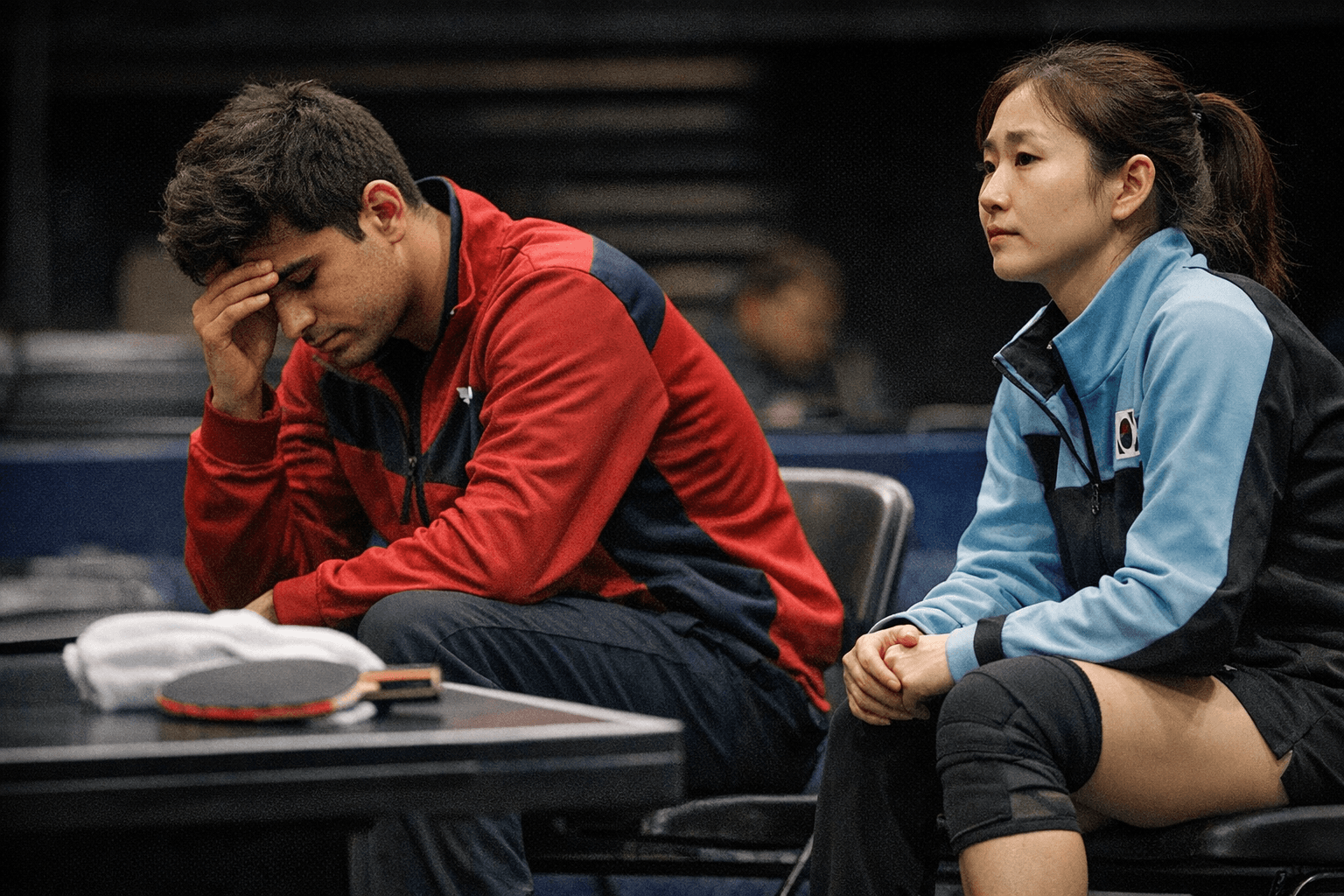
The question now is who can mount a credible challenge at the mid-year World Championships. On the women's side, the 4-1 final scoreline against Wang Manyu is its own forecast: she belongs at the top of the conversation, but the consistency gap in high-leverage sets remains visible. Shin Yubin's semifinal run offers a different kind of signal. The Korean became the first woman from her country to guarantee a World Cup medal by beating world No. 3 Chen Xingtong 11-8, 9-11, 12-10, 11-0, 11-9, and upsets at this level build the specific confidence that makes a player dangerous in subsequent major draws.
For the men, Matsushima's debut World Cup final establishes Japan as holding two names capable of reaching this stage: Harimoto was runner-up in 2019. Calderano, beaten 4-1 in the semifinal, still represents the clearest structural matchup problem for Wang. The Brazilian won the 2025 final and will face Wang again at Grand Smash level; the Macao semi showed Wang in complete control, but the broader head-to-head across recent seasons is not settled.
Goda's quarterfinal, taking the world's most pressure-proof player to a seventh set at age 18, is a data point to track across the rest of 2026. African women's table tennis producing that kind of run in a full World Cup field is not a one-off; it is an escalating trajectory that the sport's development community should be funding accordingly.
The Grand Smash calendar and the World Championships carry far more ranking weight than a World Cup result, so neither Sun's Hammarlund nor Wang's Evans Cup fundamentally reshapes the season points standings. What both results do is establish the psychological baseline for every high-stakes match ahead. The two players who won in Macao were the two who handled compressed-format pressure best across a full week, and that is the only indicator that travels cleanly from tournament to tournament.
Know something we missed? Have a correction or additional information?
Submit a Tip