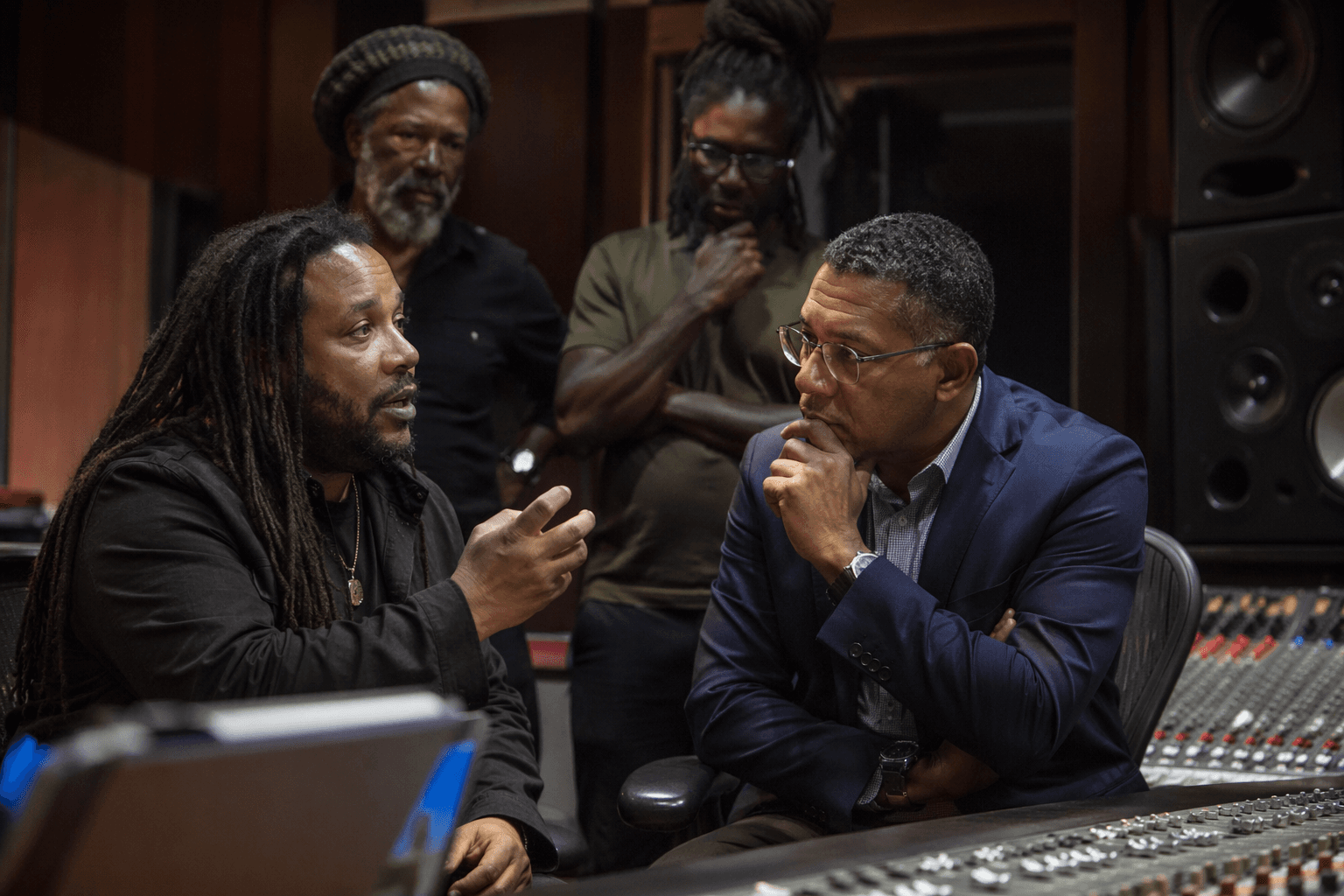
Fredrick Ellis turns tour experience into artiste development mentorship
Fredrick Ellis is turning tour pressure into a mentorship blueprint. His new push centers on artiste development, media training, and the backstage discipline young acts often miss.

From tour fixer to builder of careers
Fredrick Ellis has spent years in the hot seat of international reggae and dancehall touring, where one missed flight, one late call time, or one weak sound check can throw an entire run into chaos. Now he is using that hard-earned experience to build something sturdier: a mentorship lane for younger artistes through Akeelah Music Innovation, an agency focused on artiste development and media training.
What makes his pivot worth paying attention to is the point of view behind it. Ellis is not speaking as a distant consultant. He comes out of Seaview Gardens, worked construction, and then moved into the industry through a studio build for veteran producer Donovan Germain. That path matters because it gave him the operational side of music before he ever got the polish of the industry’s public face. He learned the business from the inside, where timing, trust, and execution decide whether an artiste looks professional or gets exposed.
The real lesson from the road
Ellis’s years with acts like Buju Banton and Dexta Daps were not just about travel. They were about managing the full touring machine: accommodation, security, transport, sound checks, and show execution under pressure. That is the part of music careers that fans rarely see, but it is often where promising careers either gain credibility or lose it.
His new message is plain enough: talent alone is not enough. Young artistes need guidance, structure, and help understanding the business if they are going to survive beyond the first burst of attention. In reggae and dancehall, where a strong song can create a fast rise, the weak spots usually show up later in the basics, like preparation, communication, and how well an artiste handles the people and systems around them.
For younger acts, the practical takeaway is clear. If the stage performance is the visible product, the real foundation is everything that happens before the lights come up. That means showing up on time, respecting crew, knowing how interviews work, understanding what a manager does, and treating each appearance like it can lead to the next one.
What Akeelah Music Innovation is trying to fix
Akeelah Music Innovation is being shaped as more than a talent shop. Ellis is putting systems and partnerships in place around it so the agency can help artistes develop the habits and presentation skills that keep careers moving. The emphasis on media training is especially important in a market where an artiste can go viral without being ready for the questions, pressure, or public scrutiny that follow.
That kind of support fills a gap that the Jamaican music scene has talked about for years. Too many emerging acts know how to record and perform, but not how to manage interviews, business meetings, branding decisions, or the discipline required once industry attention arrives. Ellis’s move suggests that mentorship is not an afterthought. It is part of the infrastructure.
There is also a strong export angle here. An artiste who can handle media, travel, and the business side of music is easier to place on bigger stages, easier to work with across markets, and less likely to get derailed by avoidable mistakes. In that sense, Ellis is not only coaching performers. He is helping shape employable, touring-ready music professionals.

Why the wider industry is leaning this way
Ellis’s pivot lands at a moment when Jamaican music institutions are putting more weight on professional development. The Island Music Conference, founded in February 2023, held its fourth staging in Kingston from February 25-28, 2026, and is chaired by Orville 'Shaggy' Burrell. Its stated aim is to help artistes and music professionals share experience, forge alliances, expand knowledge, and connect with the global industry.
That conference mindset lines up closely with what Ellis is building. The conversation is no longer just about finding the next voice. It is about making sure that voice can work in a global system without being swallowed by it. The industry has learned that raw talent can open a door, but structure keeps it open.
The policy backdrop makes the point even sharper. The United Nations in Jamaica said in 2025 that the creative sector generated an estimated US$2.2 billion in 2022 and contributed more than 5% to national GDP. Those numbers frame music as an economic engine, not just a cultural product. Once you accept that scale, artiste development stops sounding optional and starts sounding like national business.
The standards young artistes need to absorb
Ellis’s career path points to a set of standards that emerging reggae and dancehall talent cannot afford to skip. The industry rewards artistry, but it punishes sloppiness. If a tour manager with years of pressure-cooker experience is now turning his attention to mentorship, it is because he has seen the same avoidable failures repeat themselves.
- Learn how the backstage machine works before you ask for bigger stages.
- Treat travel, security, and accommodation as part of the job, not someone else’s problem.
- Get media-ready early, because interviews and public appearances come fast once momentum builds.
- Build discipline around time, communication, and respect for the crew.
- Understand the business side well enough to avoid being outmaneuvered.
Those are not abstract principles. They are the difference between an artiste who flashes and an artiste who lasts. Jamaica Reggae Industry Association’s own emphasis on training, education, networking, and capacity building fits neatly into that reality, and Ellis’s new work sits in the same lane: turning experience into a support structure.
By the time Fredrick Ellis moved from construction to a studio build, then into the grind of touring with major names, he had already learned that music is held together by systems as much as by sound. His new chapter through Akeelah Music Innovation brings that lesson back to the next generation, where the real win is not just getting on stage, but knowing how to stay ready once you are there.
This article was produced by Prism’s automated news system from verified source data, official records, and press releases, then run through automated quality and moderation checks before publishing. The system is built and supervised by the people who set the standards it runs under. Read our full AI policy.
Know something we missed? Have a correction or additional information?
Submit a Tip