Jahvy Morrison held after Big Wall shooting, Jamaica probes violence
Jahvy Morrison’s detention has put Big Wall’s fallout squarely on Jamaica’s music business, with police probing the shooting and two men still in custody.
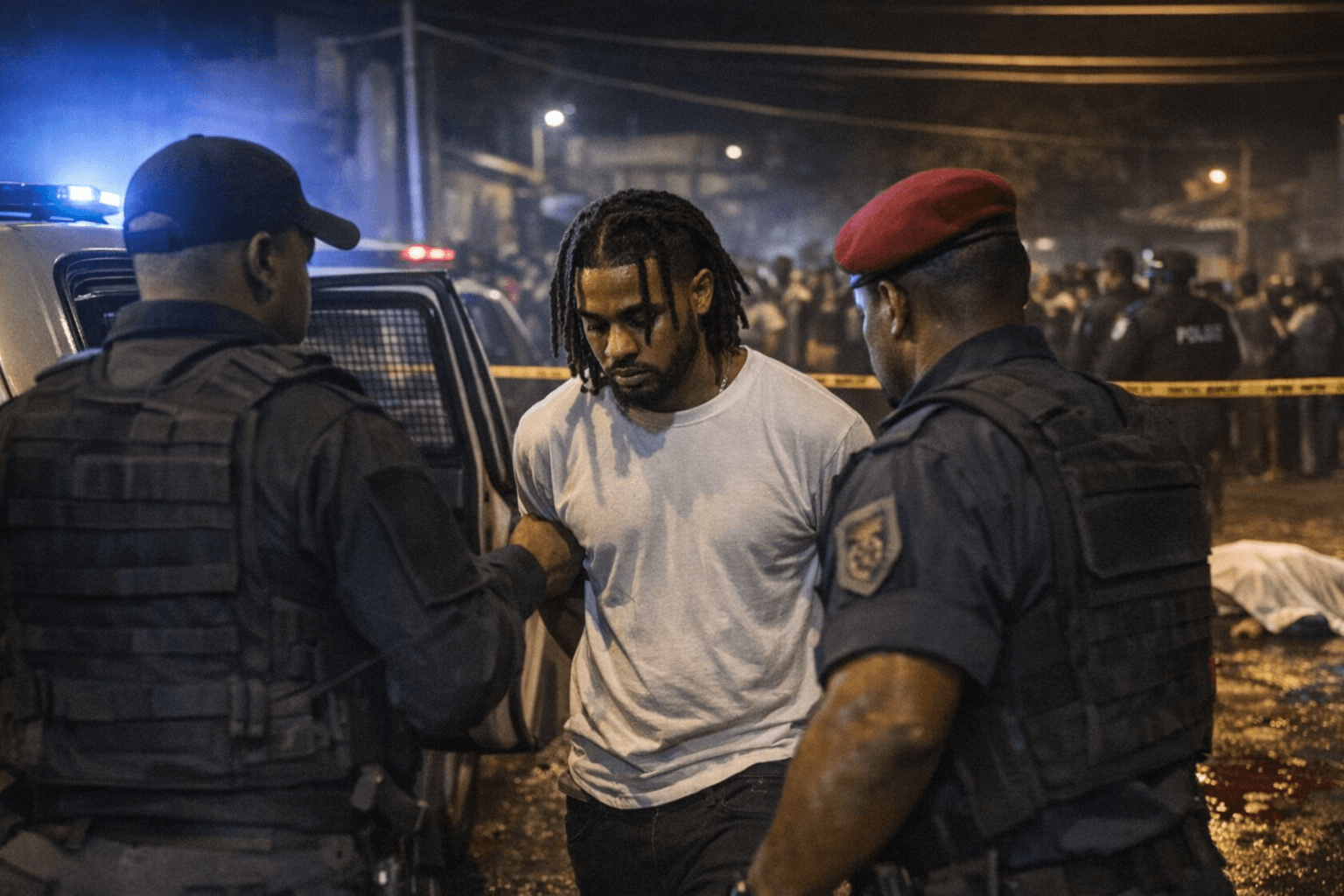
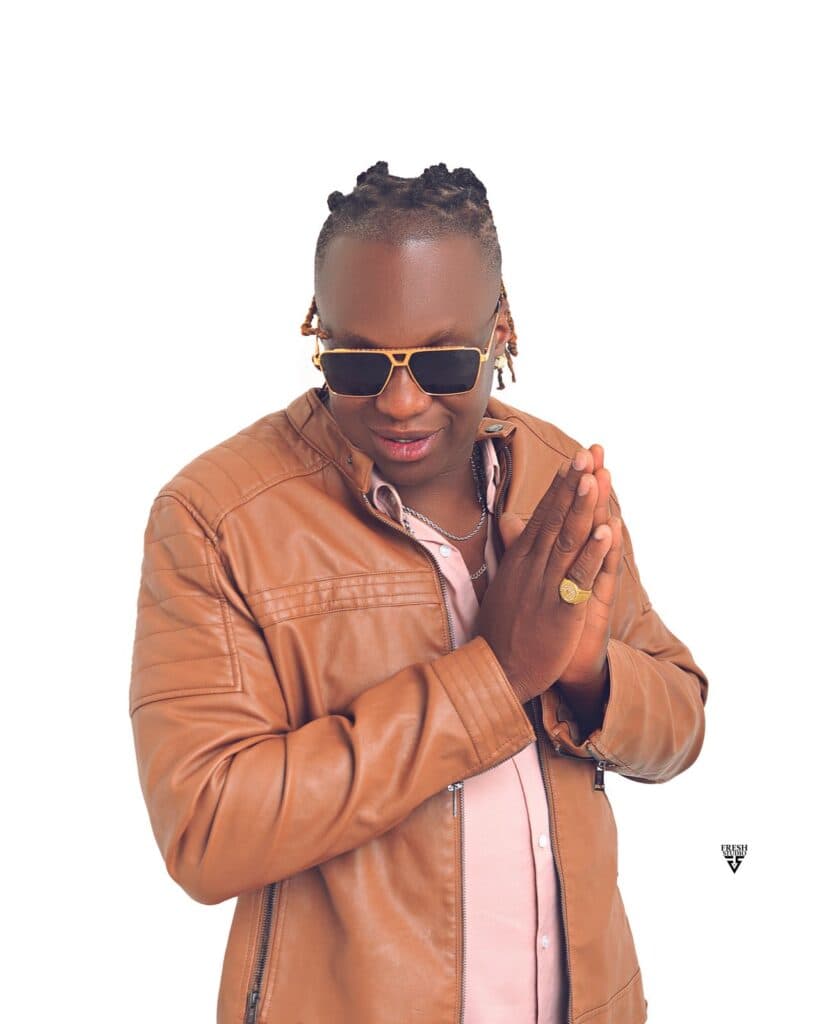
Jahvel “Jahvy” Morrison’s detention has turned the Big Wall shooting into a problem for Jamaica’s entertainment business, not just a police case. Morrison, a producer and artiste manager also referred to as Jahvy Ambassador, remained in custody as police sought more time to extend his detention while they investigated the Sunday, April 12 shooting at the Ranny Williams Entertainment Centre in St Andrew, where three men were injured.
The legal stakes rose quickly once King’s Counsel Peter Champagnie confirmed he had been retained for Morrison. That matters in reggae and dancehall circles because Morrison is not a peripheral name. As a producer and manager, he sits close to the network that links artists, bookings, promotions and venue relationships. When someone in that position is held after a high-profile entertainment incident, the ripple effects can reach working arrangements well beyond the night itself.
Police have also taken podcaster Jhaedee “Jaii Frais” Richards into custody in connection with the same shooting, and he was reported to be in hospital under police guard. The injuries add another layer of concern. One of the wounded men was described as a bystander, another as part of an entertainer’s entourage and required surgery, and a close relative said the bystander’s injuries could leave him permanently impaired. Those details have pushed the case beyond industry gossip and into the kind of fallout promoters and artists watch closely.
Big Wall organisers apologised after the shooting, a sharp signal from one of Jamaica Carnival’s signature after-party events. That apology lands hard because Big Wall is not a minor date on the calendar. It is tied to a Carnival season that has been sold as a major tourism and economic draw for Jamaica, with all the business that comes with that attention: sponsors, venue operators, security teams, artistes and the wider live-event economy.
The shooting has also intensified debate over firearms at entertainment venues. Jamaica’s police have said they plan to introduce restrictions on firearms at such events soon, a move that could reshape how promoters secure large parties and how artists assess stage-side safety. In the background, a visitor from the United States who was injured in the shooting described the experience as deeply traumatic, a reminder that the damage reaches far past headlines and into the people who came for music, not violence.
For the reggae and dancehall world, the immediate question is no longer just who was at Big Wall. It is how this case changes the trust, staffing and security around the next major show, the next promotion deal and the next big Carnival weekend.
This article was produced by Prism’s automated news system from verified source data, official records, and press releases, then run through automated quality and moderation checks before publishing. The system is built and supervised by the people who set the standards it runs under. Read our full AI policy.
Did this article answer your question?