Jamaican reggae artists spotlight island’s evolving sound at Jazz Fest
Jazz Fest’s Jamaica pavilion put Protoje, Lila Iké and Sevana in a cross-generational spotlight, from roots revival to reggae’s newer hybrid sound.
More than 5,000 musicians spread across 14 stages gave New Orleans Jazz & Heritage Festival a huge frame, but Jamaica was the story with the most momentum. The Sandals Resorts Jamaica Cultural Exchange Pavilion, running April 23 to May 3, turned the island into a featured-country showcase and made reggae’s next move feel less like a forecast than a live set.
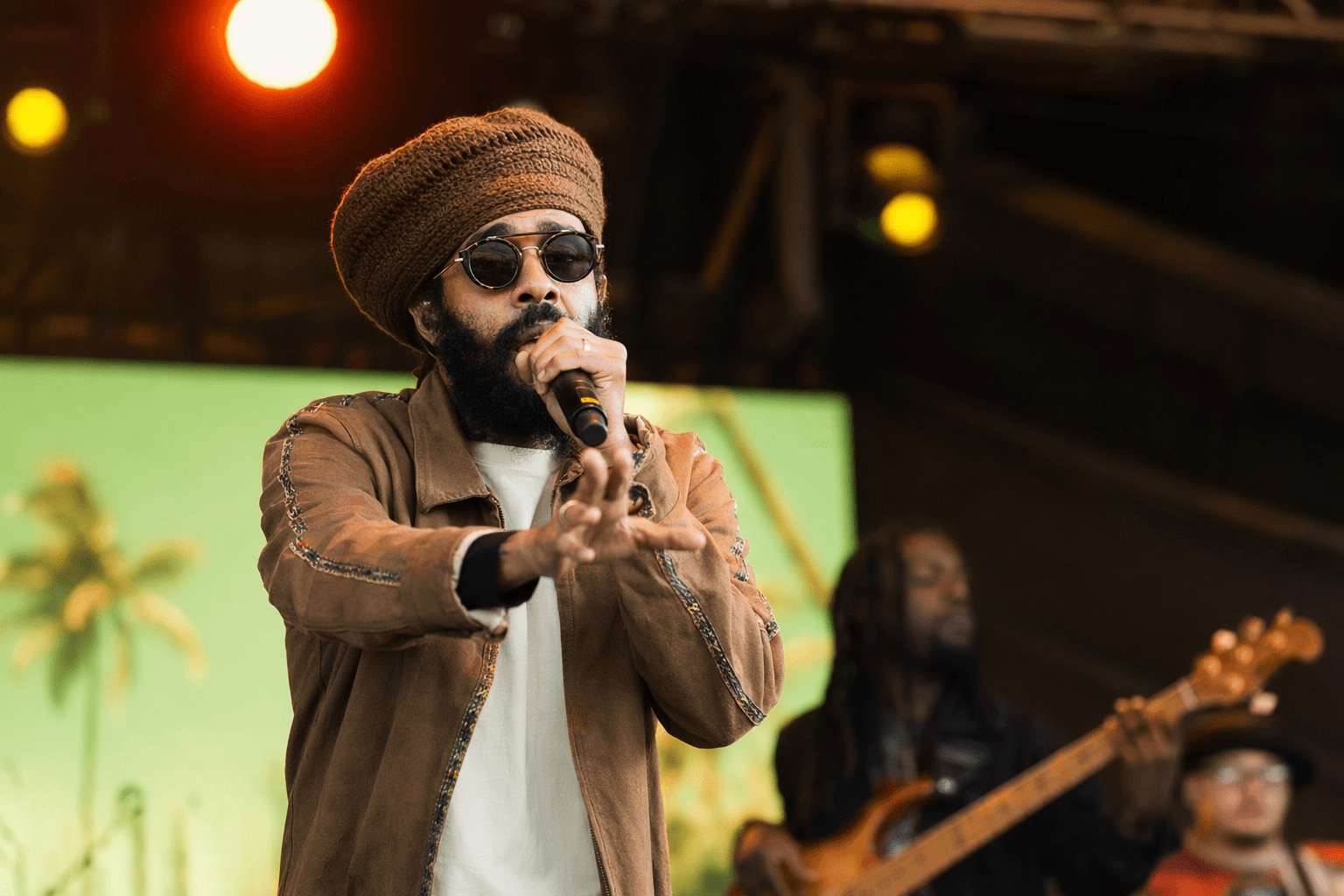
That mattered most at Congo Square, where Protoje opened on April 24 and brought the kind of forward-looking reggae that has helped define the current wave coming out of Kingston. Protoje has led his In.Digg.Nation Collective brand since 2014, and his eighth studio album, The Art of Acceptance, arrived just one week before his festival performance. His presence anchored a lineup that stretched from classic names to new-school standard-bearers, with Stephen Marley, Sean Paul, Burning Spear, Ziggy Marley, Lutan Fyah, Jesse Royal, Lila Iké, Original Koffee, Sevana, Seani B, Laa Lee, NESTA, The Skatalites, ShowJam Mento Band, Kevin Downswell and Monty Alexander all part of the Jamaica spotlight.
The strongest part of the pavilion was how clearly it showed the island’s sound evolving without cutting its roots loose. Organizers framed the presentation as a tribute to Jamaican reggae across generations, from the classic 1970s roots era to the reggae revival movement that has pushed the genre into new spaces. That evolution was easy to hear in the names at the center of the bill. Protoje’s sleek, politically tuned approach sat beside Sean Paul’s dancehall crossover force, while Sevana brought a softer, more elastic sound that moves between reggae, soul, R&B and jazz. She is preparing her first full-length album, expected to run 10 to 12 tracks, which only sharpened the sense that Jazz Fest was catching these artists at a turning point.
Lila Iké added another layer of urgency. She entered the festival as a first-time Grammy nominee in the Best Reggae Album category and had already been tapped for the opening ensemble at the 2026 Grammy Awards Premiere Ceremony, a sign of how quickly the new generation of Jamaican women has moved from local acclaim to international recognition. Alongside her, the Jamaican presence at Jazz Fest carried more than music. The pavilion also featured mento, artisan demonstrations and food stalls serving oxtail, rice and peas, jerk-spiced mushrooms and escovitch fish, while the Artist Demonstration Tent included makers from Jamaican communities affected by Hurricane Melissa in 2025.
By the time the first weekend settled in, the message was clear. Jamaica was not being presented as a museum piece. It was being staged as a living, changing scene, with reggae, dancehall and rocksteady all meeting the wider world in real time.
This article was produced by Prism’s automated news system from verified source data, official records, and press releases, then run through automated quality and moderation checks before publishing. The system is built and supervised by the people who set the standards it runs under. Read our full AI policy.
Did this article answer your question?