Jazz Day draws big crowd to Ranny Williams despite hardship
More than 70 vendors and a packed Ranny Williams turned Jazz Day into a market and a concert, even as hardship still hung over Kingston.
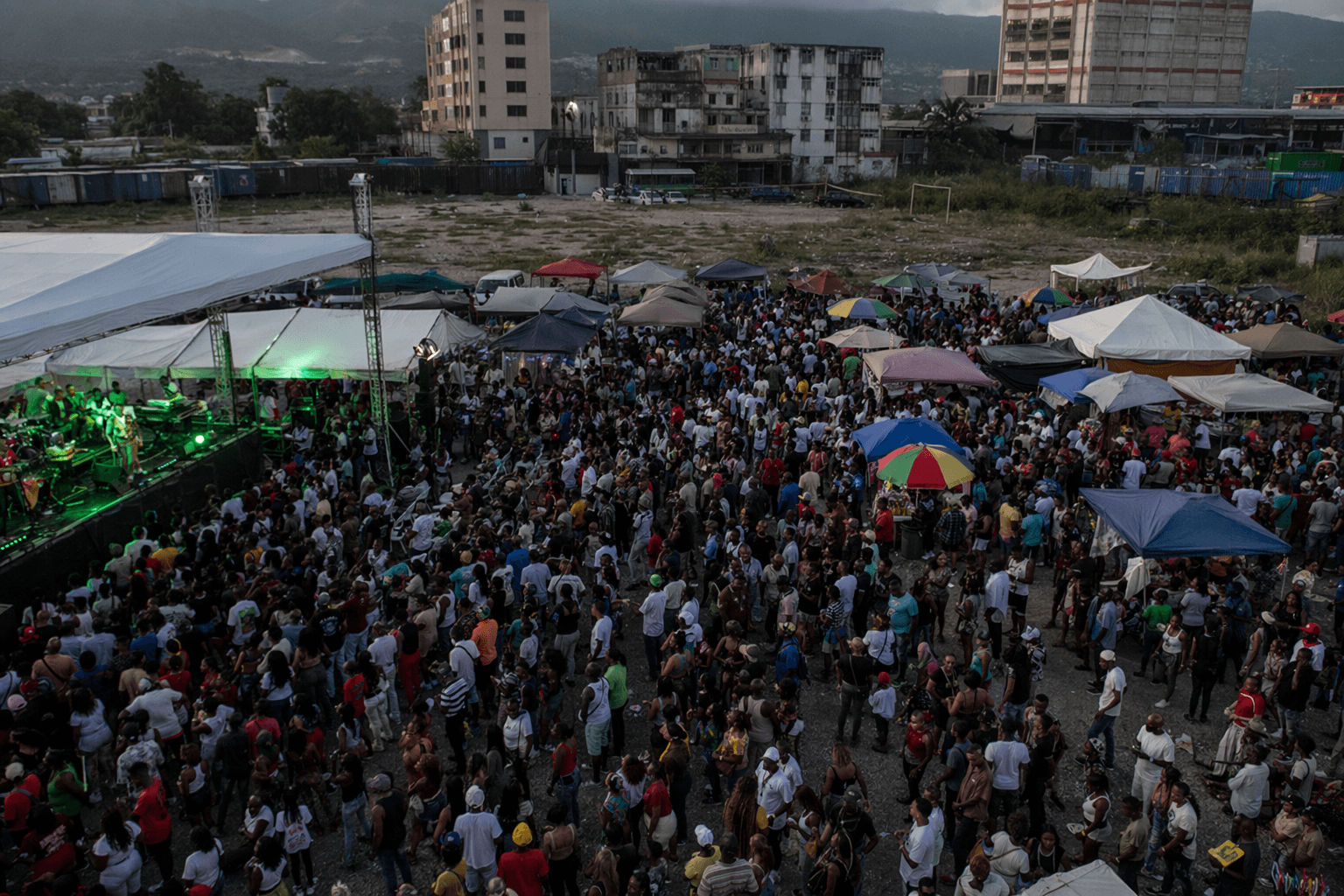
Music lovers filled Ranny Williams Entertainment Centre on Hope Road and turned International Jazz Day into a busy open-air scene that felt as much like a cultural market as a concert. More than 70 art, craft and food vendors were set up across the grounds, and the free public show began at 7:00 pm despite the fiscal strain still lingering after Hurricane Melissa.
The event was staged at 36 Hope Road, Kingston 10, through a partnership involving the Ministry of Culture, Gender, Entertainment and Sport, UNESCO and the Jamaica Music Museum. Herbie Miller, the museum’s director, framed the night as a statement of resilience and said cancelling the concert would have taken hope away from the public. That mattered in a city where live performance still depends on audiences willing to show up, spend and keep the cultural calendar moving.
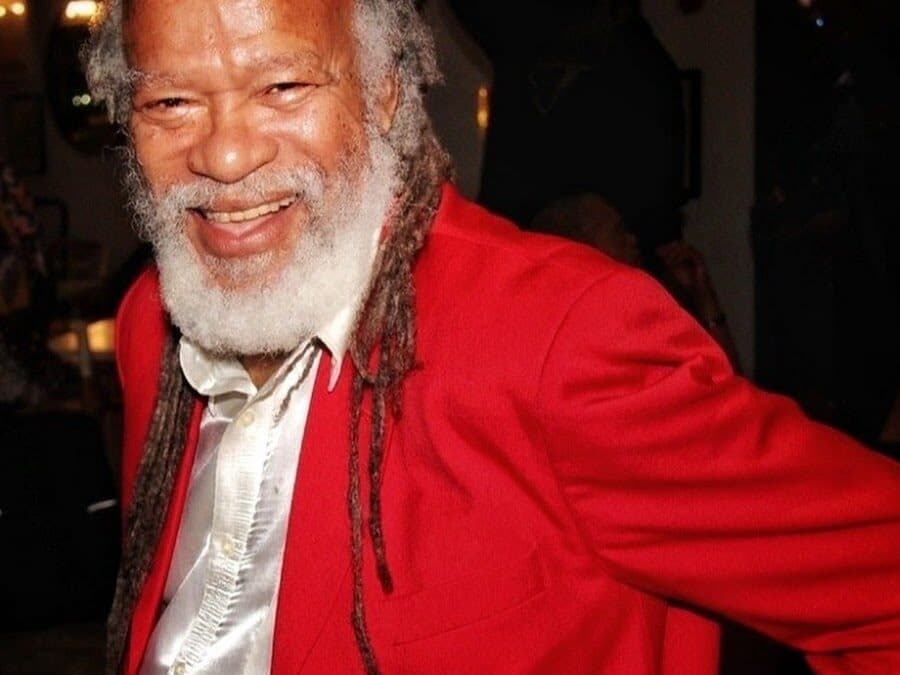
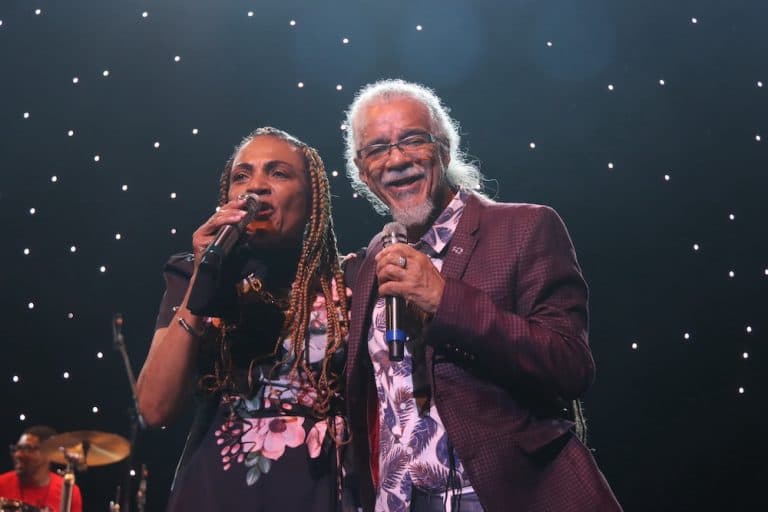
The lineup mixed local and international names. New York-based multi-instrumentalist Mike McGinnis performed alongside pianist Dennis Rushton and his quintet, bass player Dale Haslam and his quintet, the JaMM Big Band, and special guest vocalist Tony Gregory. Olivia Grange attended and noted that jazz has long been part of Jamaica’s musical life, a reminder that the island’s live-music scene is built on overlap, not separation. The same stage that hosted jazz also spoke to the wider circuit that carries reggae, ska, mento, gospel and other Jamaican sounds from rehearsals to sound systems to formal concert spaces.
Ranny Williams itself showed why it remains a key venue in that ecosystem. Its amphitheatre holds about 2,500 people, the Louise Bennett Garden Theatre about 500, and the front lawns can take up to 7,000. On a night like this, those numbers were not just about capacity; they were about how Kingston still assembles crowds around music, food and craft, even when money is tight.
The event also landed inside a larger cultural story. Kingston was designated a UNESCO Creative City of Music on December 11, 2015, and UNESCO links that status to the city’s roots in mento, ska, reggae, rocksteady, dub and dancehall. It also ties the designation to creating opportunities that address youth unemployment, especially in disadvantaged inner-city communities. International Jazz Day, proclaimed by UNESCO in 2011 and observed each April 30 in more than 190 countries, gave Kingston another chance to show how its music economy still works: through public gatherings, institutional support and the steady pull of live performance.
Know something we missed? Have a correction or additional information?
Submit a Tip